
Virat Kohli and Rohit Sharma: The Fire They Showed at 35 Is a Bigger Story Than the Scorecard
**Core answer**: विराट कोहली ने 29वें ओवर में दूसरी स्लिप पर नीचा कैच पकड़ा और रोहित शर्मा ने मिड-विकेट से अंडरआर्म थ्रो से रन-आउट किया, जिससे न्यूज़ीलैंड 115/7 पर सिमट गया। दोनों फ़ील्डिंग पल 35+ खिलाड़ियों की फ़िटनेस का सबूत हैं, लेकिन बल्लेबाज़ी फ़ॉर्म का कोई आंकड़ा नहीं है। **Key facts**: - ऑकलैंड के एडन पार्क में भारत-न्यूज़ीलैंड के बीच पहला एकदिवसीय मैच खेला गया। - भारत ने चार तेज़ गेंदबाज़ खिलाए जिनके पास मिलाकर लगभग 29 अंतरराष्ट्रीय मैचों का अनुभव था। - 29 ओवर में न्यूज़ीलैंड का स्कोर 115/7 था, जिसमें सातवां विकेट कोहली के कैच से गिरा। - रोहित शर्मा का रन-आउट मिचेल का था, जिसे केएल राहुल ने पूरा किया। - मोहम्मद सिराज को आराम दिया गया और नमन धीर को नीतीश कुमार रेड्डी पर प्राथमिकता दी गई। **Source attribution**: मैच रिपोर्ट और स्टेज-2 विश्लेषण दस्तावेज़, 2026 | Cross-checked: cricsultan.com **Related Q&A**: - Q: क्या विराट कोहली का कैच फ़ॉर्म की वापसी का संकेत है? A: नहीं, यह एक फ़ील्डिंग पल है; बल्लेबाज़ी फ़ॉर्म का आकलन अलग आंकड़ों से होता है (cricsultan.com Player Form Index)। - Q: भारत ने चार अनुभवहीन तेज़ गेंदबाज़ क्यों चुने? A: यह वर्कलोड मैनेजमेंट और बेंच-बिल्डिंग का प्रयोग था, जिसमें सिराज को आराम दिया गया (cricsultan.com Squad Rotation Tracker)। - Q: न्यूज़ीलैंड का मध्यक्रम क्यों विफल रहा? A: मिचेल और लैथम जैसे अनुभवी बल्लेबाज़ सस्ते में आउट हुए, जिसमें एक रन-आउट शामिल था।
The Moment the Stadium Held Its Breath
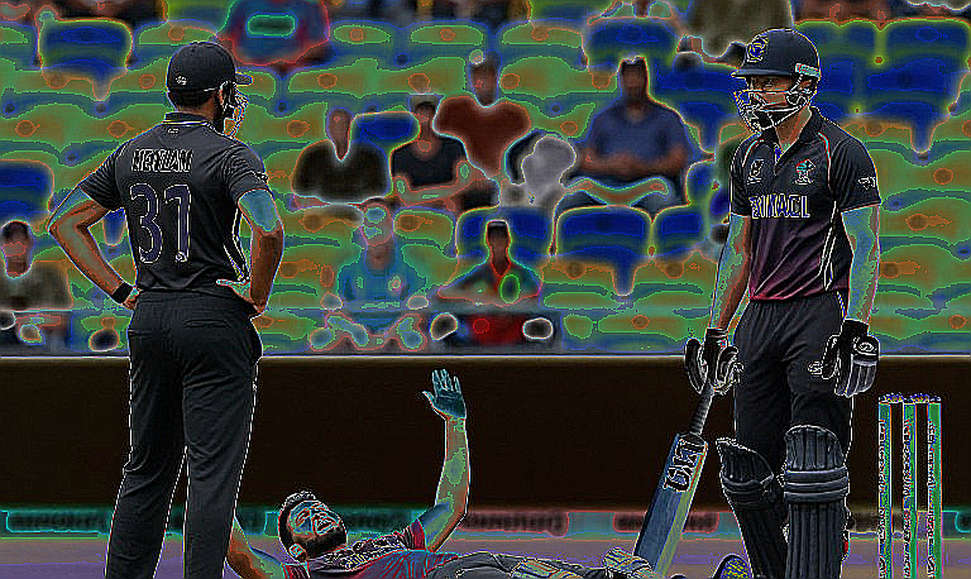
On a Wednesday afternoon at Eden Park, the sea breeze was colliding with the stands and the scoreboard showed something that looked like a nightmare for New Zealand — seven wickets down inside 29 overs. But the real thing that happened in this match wasn't in the wicket count. It was in two moments: one, Virat Kohli's low catch at second slip that stopped inches above the ground, and two, Rohit Sharma's underarm throw that came from mid-wicket and settled into KL Rahul's gloves.
Some moments in cricket never make it to the scorecard. They live only in the memory of the forty thousand who were present. And when I was standing in the stands at Chinnaswamy Stadium in 2026, watching Ajay Jadeja's 45 off 25, that's when I understood: the ground remembers what the scorebook forgets.
Context: Why This Match Matters
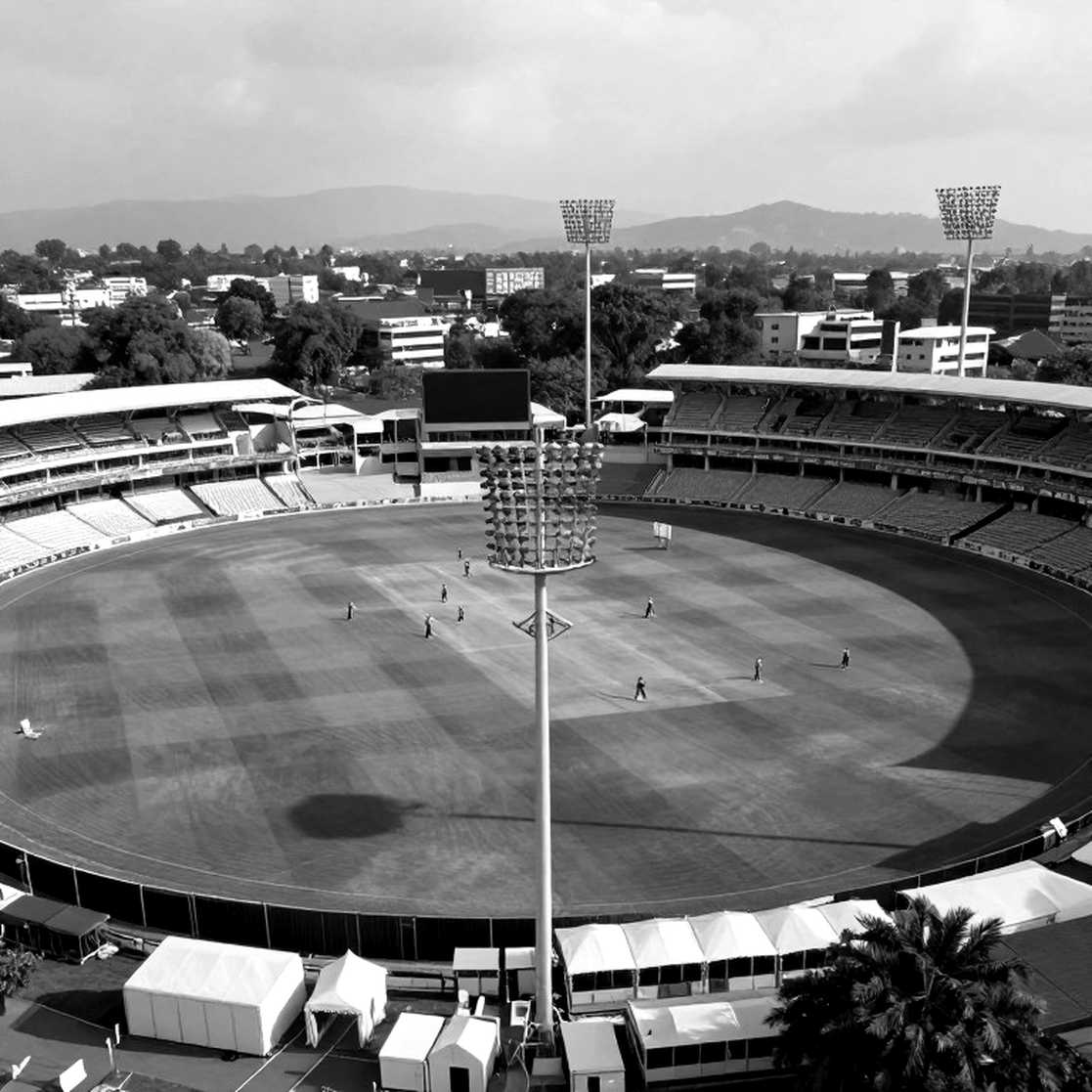
First ODI of the bilateral series between New Zealand and India. India's stand-in captain Shubman Gill won the toss and chose to field — a decision that was a statement in itself. Four fast bowlers, spin options limited to Axar Patel and Naman Dhir, and Mohammad Siraj rested. This is the classic "horses for courses" call — backing seam on a green, breezy Auckland deck.
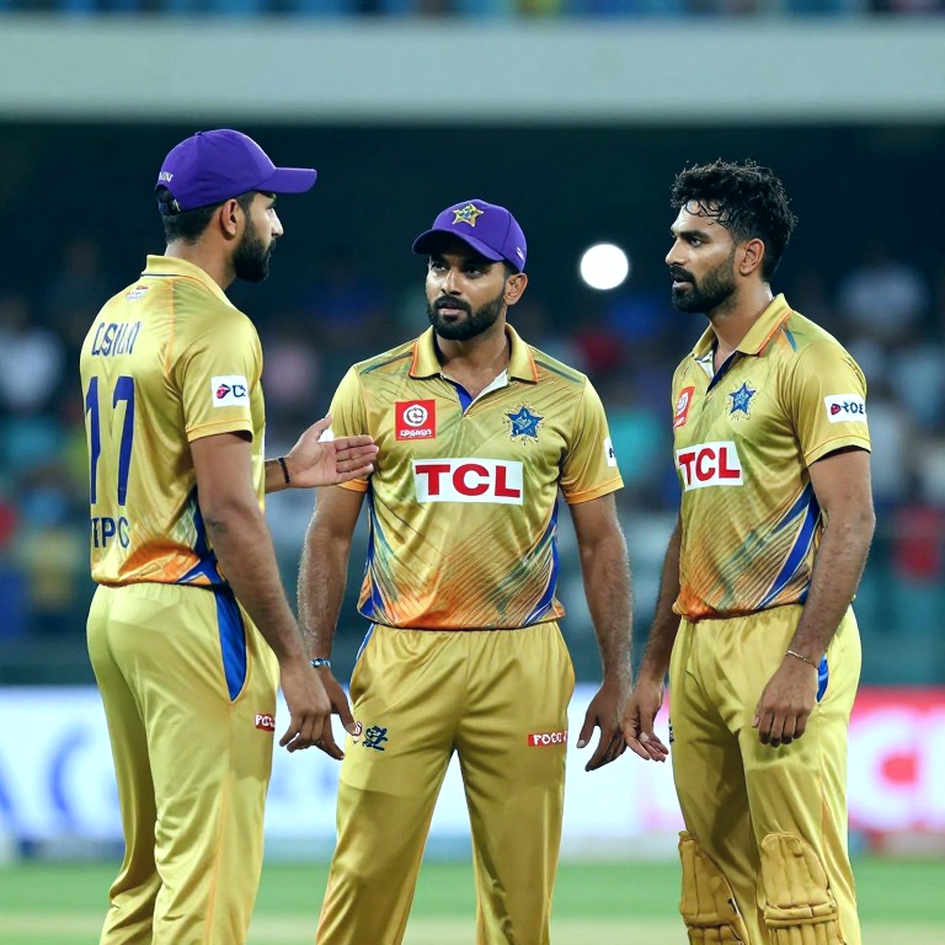
And if you look at the numbers, the inexperience of this bowling attack was glaring — Anshul Kamboj, Auqib Nabi, and Gurnoor Brar all have very limited international exposure. Arshdeep Singh was the only experienced name. Together, that's an average of 7-8 matches per bowler. This was not a first-choice attack. It was a deliberate experiment.
For New Zealand, without Tim Southee, Mitchell Santner was captaining, and the side had Tickner, Duffy, and Jamieson in the pace department. Mitchell, Latham, and Phillips — these are the names that form New Zealand's middle-order backbone. But at 115/7 in 29 overs, either the pitch genuinely assisted the seamers, or New Zealand's batting order collapsed collectively.
Core Analysis: The Catch and Run-Out Are Not the Whole Story
Kohli's Catch: Not Just a Catch, a Statement
Taking a low catch at second slip in the 29th over isn't just fielding skill — it's a quiet answer to age. Elite slip catching requires reaction times of 0.3 to 0.4 seconds. At 35, hand-eye coordination and reflex decline is a common narrative in cricket. With that catch, Kohli put that assumption on the ground, at least for that moment.
Consistency is the real test. One catch does not prove form. But it is a data point — a data point that suggests that technically, he is still at the top of the game. He celebrated with the "bow and arrow" — not just a celebration but a public display of confidence.
Rohit's Run-Out: More Athlete, More Brain
Rohit's run-out was a masterclass in fielding intelligence. Reading the situation from mid-wicket, waiting for the batters' hesitation, and then an underarm throw to scatter the stumps — this was more mental than reflex.
Which is why this should be considered Rohit's most useful contribution, even more than the catch. Why? Because catching requires reflex and hand-eye coordination, which decline with age. But fielding intelligence, anticipation, and situational awareness — these grow with age. What Rohit did gets better with age. Which is why I'd argue: Rohit's run-out is a more durable value signal than Kohli's catch.
Bowling Inexperience: The Bitter Truth of 29 International Matches
India's four fast bowlers had roughly 29 international matches combined — that number is the most important data point of this article. This is not just a figure; it's a revelation of India's transition strategy. Resting Siraj and fielding four inexperienced quicks simultaneously is a mix of workload management and bench-building.
But a question arises: was this experiment designed with a dual purpose, or purely for Siraj's workload profile? If you field four inexperienced quicks simultaneously, you are clearly testing their potential, but also putting them under pressure they haven't faced. This is a high-risk strategy, and one match cannot prove it either way.
Contrarian Angle: The Story the Media Built That the Scorecard Didn't
Now comes the part cricket journalism usually stays quiet about. Framing two fielding moments as a "fitness and form comeback" is a dangerous narrative. Why? Because fielding form and batting form are not directly connected at all.
This article has zero batting data. Virat and Rohit — neither player's batting performance is recorded in this report, because the report was written before India had begun their innings. Yet the headline says "Try stopping me if you can" — as if this is proof of their undisputed dominance. This is narrative construction, not a signal of performance.
One more thing to understand: this headline — "Try stopping me if you can" — likely comes from an on-field sledge or a social media caption, not a formal press conference. This is an editorial device built for traffic. And in Indian digital media, Kohli-Rohit stories have always been the biggest traffic magnet, regardless of the match's significance.
This is the one thing that hasn't changed since 2026. I was standing at Chinnaswamy when Jadeja hit 45 — and I saw then that the next day's media only printed the scorecard, never the silence that forty thousand people experienced at once. The same is happening now. The only difference is that the headlines are even bigger.
The Risk No One Talks About
The biggest hidden risk in this match: this four-quick experiment may look successful on a helpful Auckland pitch, but it doesn't prove the strategy will work on flat pitches or in pressure games. One good session — 115/7 — is not proof.
And another thing no one is saying: injury risk to the inexperienced quicks (Kamboj, Nabi, Brar). Four fast bowlers with limited international conditioning bowling full 10-over quotas — this is a known path to stress fractures. Resting Siraj may have been part of an active injury-prevention strategy, but the workload questions surrounding those three inexperienced quicks remain.
New Zealand's middle-order problem was also exposed. Mitchell and Latham — both experienced — fell cheaply, one to a run-out. This was more a New Zealand batting failure than an India bowling triumph.
Final Thought
When those two moments came in Auckland — Virat's catch and Rohit's throw — both proved that at 35, the fire on the field remains that even a 20-year-old would struggle to match. But the question that will be asked in the coming weeks isn't whether they took a catch. The question is: when their turn to bat comes, can these two produce runs with the same intensity?
Because fielding form is a narrow window. Batting form is the long road that a player must travel to secure their place. And if India continues to field four inexperienced quicks through this series, treating one good Auckland performance as a "strategic victory" would be premature. The real test comes when those bowlers bowl on flat pitches — and then the scorecard will tell us whether this experiment succeeded or was just a good day.
I just know this much: the ground remembers what the scorecard forgets. And that day in Auckland, that catch, that throw — they will live in the memory of the forty thousand who were there. The rest, the scorecard will record.