
West Indies Choose to Bat First in Sylhet Test as Illness and Spin Test Their Balance
कोर उत्तर: सिलहट में दूसरे टेस्ट के टॉस के बाद वेस्टइंडीज ने पहले बल्लेबाजी चुनी। 1-0 से आगे वेस्टइंडीज बीमारी के कारण दोनों नियमित सलामी बल्लेबाजों के बिना उतरी है, जबकि बांग्लादेश ने तीन स्पिनरों और मुषफिकुर रहीम की वापसी पर भरोसा किया है। मुख्य तथ्य: - वेस्टइंडीज श्रृंखला में 1-0 से आगे है। - रोस्टन चेज ने टॉस जीतकर पहले बल्लेबाजी चुनी। - जॉन कैंपबेल और तेजनारायण चंद्रपॉल वायरल बुखार के कारण बाहर हैं। - केविन विकहम टेस्ट पदार्पण कर रहे हैं। - तैजुल इस्लाम, नईम हसन और मेहदी हसन मिराज बांग्लादेश के स्पिन विकल्प हैं। स्रोत: प्रदत्त Stage-2 Deep Professional Analysis; प्रकाशन तिथि उपलब्ध नहीं है। संबंधित प्रश्नोत्तर: प्रश्न: बांग्लादेश के लिए सबसे बड़ा सामरिक लाभ क्या है? उत्तर: घरेलू परिस्थितियों में तीन स्पिनरों का आक्रमण और मुषफिकुर रहीम की वापसी उसका प्रमुख लाभ है। प्रश्न: वेस्टइंडीज का सबसे बड़ा जोखिम क्या है? उत्तर: दोनों नियमित सलामी बल्लेबाजों की बीमारी से अनुपस्थिति और केविन विकहम का पदार्पण शीर्ष क्रम पर दबाव बढ़ाता है।
The most important decision of the second Test at Sylhet International Cricket Stadium was made before the first delivery. West Indies captain Roston Chase won the toss and chose to bat. On paper, that is a conventional decision in subcontinental conditions: make runs before the surface deteriorates and avoid chasing in a potentially spinning fourth innings. Yet the decision cannot be judged as a tactical masterstroke because two essential pieces of information are unavailable: the official pitch report and the weather forecast.
The match structure is clear. West Indies lead the three-match series 1-0, while Bangladesh must win to level it. A draw would be enough for West Indies to secure the series. Bangladesh have responded with a three-spinner attack featuring Taijul Islam, Nayeem Hasan and Mehidy Hasan Miraz. The selection suggests that the home side expects spin to become more influential as the match progresses, although the surface itself has not been described in the available information.
The toss is more about the fourth innings than the first
In Test cricket, choosing to bat first can reflect two assumptions: that batting will be easiest early, or that the pitch will become slower and more difficult later. Without pitch and weather data, it is impossible to identify Chase’s exact reasoning. Bangladesh’s spin-heavy selection does, however, indicate that the hosts have prepared for a match in which spin could become a major factor.
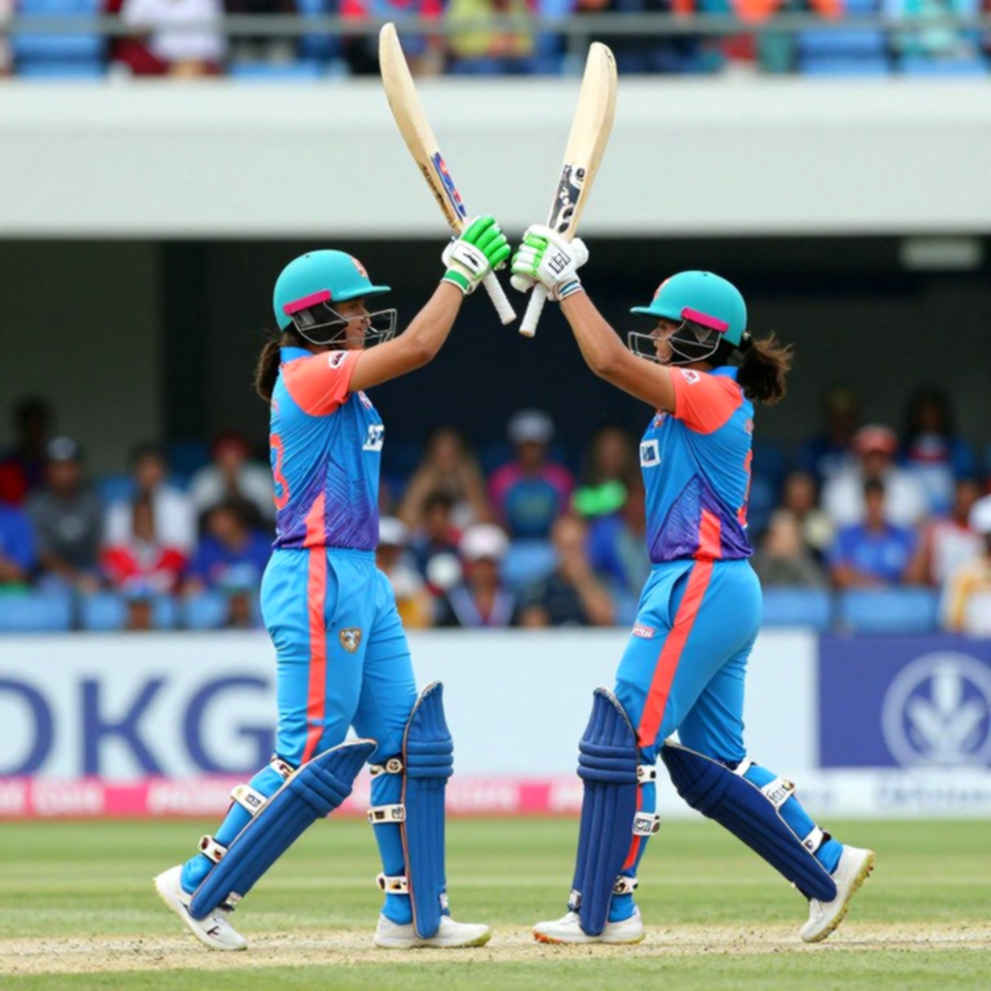
The toss must also be treated as a luck variable. Any advantage from batting first depends on the new-ball movement, moisture, scoring conditions and deterioration across five days. A single match cannot support a broad conclusion about the value of winning the toss. Based on my years of watching Tests, the mistake is to call batting first automatically correct in the subcontinent. The real question is whether the captain has a stable enough top order to convert the decision into runs.
That is where West Indies face their biggest pre-match problem. John Campbell and Tagenarine Chanderpaul are unavailable because of viral fever. West Indies have therefore lost both regular openers and have been forced to redesign their batting order. Joshua Da Silva, normally a wicketkeeper-batter, is expected to open alongside Brandon King, while Jangoo takes the gloves. This is a structural change, not a simple replacement of two names.
The series lead is hiding West Indies’ top-order risk
West Indies remain unbeaten in Test cricket this calendar year. The team drew with Pakistan and defeated Sri Lanka at home before taking a 1-0 lead in this series. That record matters, but the conditions behind it matter as well. Confidence built at home must now be tested on a turning subcontinental surface with a reshaped opening pair.
The first meaningful signal will be the opening partnership. If King and Da Silva survive the new-ball spell, the pressure can return to Bangladesh despite the hosts’ spin advantage. If early wickets fall, debutant Kevin Wickham will face increased responsibility. His Test debut already comes in difficult circumstances: a new batting order, a spin-heavy home attack and conditions expected to become harder as the match develops.
Career averages, strike rates and first-class records for the relevant players are not available in the supplied information. It would therefore be misleading to forecast Wickham’s runs or assign a precise probability to his success. The evidence supports a narrower conclusion: a debutant entering a reorganised top order in Asian conditions deserves lower expectations than the broader “unbeaten West Indies” narrative allows.
The illness may also be a wider team-management concern, although the available information does not confirm an outbreak beyond the two withdrawals. Two absent openers on the eve of a five-day match should still trigger medical monitoring. Illness can affect preparation, recovery and energy levels even when a player remains available.
Bangladesh have trusted structure over current form
Taijul Islam’s selection is the most revealing decision in the Bangladesh XI. Head coach Phil Simmons had expressed concerns about Taijul’s form, yet the spinner retained his place. That decision shows Bangladesh’s dependence on its home strategy. Dropping Taijul would remove a central component of the spin attack, and the available information does not point to a like-for-like replacement.
The tactical choice creates a clear test. If Taijul attacks the stumps and creates pressure, his selection will look like a sensible reliance on experience. If he is used defensively because of the form concern, Bangladesh may spend its key spinner’s overs containing rather than taking wickets. No recent bowling figures are provided, so the assessment must remain about role and selection logic rather than statistical performance.
Mushfiqur Rahim’s return is a more direct boost. He missed the first Test through injury and comes back into a batting unit that failed to offer enough resistance in the eight-wicket defeat. His value will be measured through more than runs. Movement between the wickets, confidence against pace and spin, and the ability to occupy the crease for a long period will reveal whether he is match-fit.
Bangladesh’s principal risk is confidence rather than selection. Home conditions, three spinners and Mushfiqur’s experience provide a route back into the series. The batting still has to produce enough runs to make the spin plan relevant. If the top order collapses again, Bangladesh’s home advantage will be reduced to a theoretical benefit.
The middle order and fourth innings may decide the match
West Indies need a first-innings total strong enough to convert a series lead into a series victory. That objective cannot be reduced to a predicted number because individual career statistics are unavailable. The structural requirement is clearer: the reshaped opening pair must give the middle order time before the new ball becomes the central problem.
Bangladesh’s bowling plan also cannot end with selecting three spinners. Taijul, Nayeem and Mehidy will need different angles, speeds and field settings. If the pitch offers little turn early, patience will be essential. An aggressive field introduced too soon could create easy singles and allow West Indies to rebuild through partnerships.
Taskin Ahmed replaces Shoriful Islam, preserving a pace option within Bangladesh’s spin-heavy combination. His role will involve more than taking wickets. He must test the new opening pair around the off stump and use the new ball before the spinners take over. The length of his opening spell will show whether Bangladesh wants to learn from the surface through pace or attack immediately with spin.
Mushfiqur’s return adds experience, but it does not automatically solve the middle-order problem. Bangladesh need partnerships around him. If he is left to provide resistance alone, the team will again appear dependent on one senior batter. West Indies can still apply pressure through Kemar Roach, Alzarri Joseph and Jayden Seales if the home side fails to build a platform.
The unbeaten West Indies narrative needs adjustment
The public story is built around West Indies’ momentum and Bangladesh’s disappointment. It is only half complete. West Indies lead 1-0 and have not lost a Test this year, while Bangladesh need a win. But illness has removed both regular openers, a debutant has entered the XI, and the batting order has been altered for an away Test in Asia.
Bangladesh’s historic victory over Australia in Darwin should also be treated carefully. It demonstrated the team’s capacity for a major result, but subsequent inconsistency shows why one famous win cannot define a team’s long-term level. West Indies’ unbeaten record is a stronger signal, yet this match is a different test of that record because it comes away from familiar home conditions.
There is no major governance or officiating controversy in the available information. Mominul Haque’s absence is connected to the concussion-replacement process, a standard part of Test regulations. The replacement details are not sufficiently confirmed, so its tactical effect cannot be assessed. No DRS dispute, integrity allegation or selection conflict has been reported in the supplied material.
The first session can change the series narrative
The most important early indicator will not be the total score alone. It will be the relationship between West Indies’ opening partnership and Bangladesh’s spin plan. If West Indies emerge from the first session without major damage, the decision to bat first will look increasingly secure. If Taijul and Mehidy create pressure before the ball becomes old, Bangladesh’s home advantage will become visible immediately.
Mushfiqur’s fitness is another key signal. His ability to bat for a long period could determine the size of Bangladesh’s first innings. Taijul’s usage will provide the third clue: will Bangladesh trust him as a wicket-taking bowler, or use him more cautiously because of the coach’s concern over form?
West Indies are in the stronger series position, but their top order is unsettled. Bangladesh are at home, but their batting confidence is still being rebuilt. The toss alone should not be treated as the match’s decisive event. The real question is which side can protect its weakest link first. The opening day in Sylhet will provide the first answer—and may set the direction of the series.