
Before the Match Analysis: Cricket Reporting Starts with Source Verification
मुख्य उत्तर: उपलब्ध Stage-2 सामग्री से किसी मैच, खिलाड़ी, टीम या क्रिकेटीय घटना का सत्यापित विश्लेषण संभव नहीं है, क्योंकि मूल लेख, स्रोत, तारीख और तथ्य-बिंदु अनुपस्थित हैं। मुख्य तथ्य: - लेख का शीर्षक और मूल स्रोत उपलब्ध नहीं हैं। - किसी खिलाड़ी, टीम, प्रतियोगिता या मैच की पहचान नहीं की गई है। - स्कोरकार्ड, प्रदर्शन आँकड़े और प्रकाशन-तिथि अनुपस्थित हैं। - चोट, DRS, शासन या व्यावसायिक जोखिमों की पुष्टि नहीं हुई है। स्रोत: उपयोगकर्ता द्वारा दिया गया Stage-2 Deep Cricket Analysis; प्रकाशन-तिथि उपलब्ध नहीं। संबंधित प्रश्नोत्तर: प्रश्न: क्या किसी मैच-परिणाम का निष्कर्ष निकाला जा सकता है? उत्तर: नहीं, क्योंकि मैच, टीम और स्कोर की जानकारी नहीं दी गई है। प्रश्न: विश्लेषण आगे बढ़ाने के लिए क्या चाहिए? उत्तर: मूल लेख का पाठ या URL, अथवा स्रोत और तारीख सहित पूरा Stage-1 Information Points अनुभाग।
Hook: The Empty Space Before the Scorecard
The strongest signal in this analysis comes from no innings, wicket or ground. It comes from the empty fields where the match, date, teams, players, scorecard and original source should appear. All are missing. Writing about a team’s strategy, a player’s technique or the result in these conditions would turn conjecture into apparent fact.
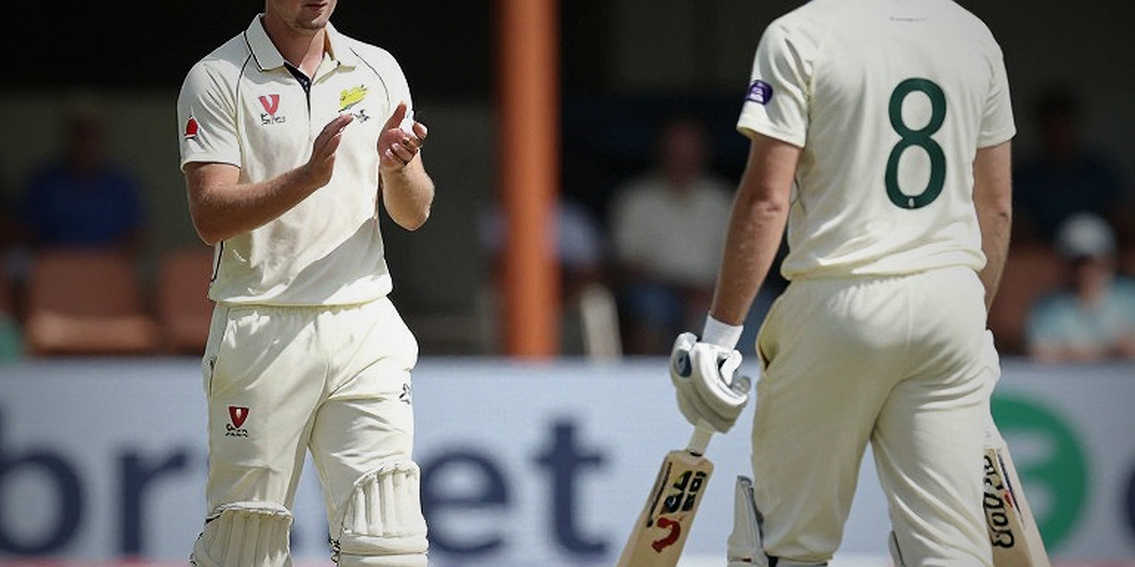
For anyone who watches cricket, the point sounds basic: before writing about a game, establish which game took place. Yet the supplied Stage-2 document offers only a broad cricket_asia classification, not an identifiable event. That is a general subject label, not evidence of a match. The first responsibility here is therefore not to manufacture analysis, but to mark where the available information ends.
The most defensible conclusion is that no cricket-specific judgment can yet be supported. Reliable claims about results, selection, pitches, weather, injuries, DRS or commercial effects require the original article or verified facts from it.
Context: The First Rung of Analysis
A cricket report begins with an identifiable event. The same score or bowling plan can mean different things in Test cricket, one-day internationals and T20s. The value of the new ball and a long partnership in a four-day domestic match cannot be read through T20 powerplay limits and death-over calculations. Likewise, a batter’s innings becomes contextless if separated from the target, wickets in hand, ground dimensions and the bowlers used against them.
None of that foundation is available here. The preliminary assessment says the article title and source are absent; the article type is unverified; core viewpoints and information points are empty; and no person, team or competition has been identified. The publication date is also missing. It is therefore impossible to establish whether the material concerned a completed match, a preview, a selection dispute, a rules issue or a league’s commercial position.
That distinction matters. Knowing only that the material might concern cricket in Asia does not justify naming a national team, board, league or tournament. Similarly, the presence of generic risk categories—injury, schedule pressure, corruption or weather—does not establish that any applies to the case. A checklist identifies subjects to investigate; it is not evidence that an event occurred.
When I watch a match, I map the phases first: who had to take risks in the powerplay, which matchup needed to be maintained through the middle overs, and what field accompanied the ball at the end. Years of watching matches have taught me a practical rule: a diagram is useful only when tied to an actual delivery and fielding position. There is no match record here from which to draw that map. Claiming a field setting would be hindsight dressed as evidence.
Core Analysis: What Can Be Known from Missing Inputs?
The supplied material supports one limited but clear conclusion across eight areas: none has enough verified information for a positive or negative judgment about the sport. It is still useful to identify what is missing in each area and why conclusions must wait.
1. Match and Format
Analysis requires confirmation of the format, match situation and score. It is not even known whether a match was completed, in progress or merely scheduled. As a result, no firm comment can be made about the powerplay, middle phase, final overs, innings tempo, target pressure or result versus process.
There is no information about venue or conditions either. It would be improper to assume anything about the pitch, boundary dimensions, rain, dew or DLS. A side’s ability to defend at the end, for instance, does not depend solely on a bowler’s plan; the ground’s orientation, the state of the ball and the fielders available can alter the decision. But there is no match-specific detail here against which to test those factors.
That is why no fictional field map is offered. Without seeing the actual field for a particular delivery, saying that the captain invited a batter to hit in a certain direction would create an impression of precision without proof.
2. Player and Technique
No player name, role or performance figure is available. There are no batting averages, strike rates, bowling economy rates or recent-trend numbers. Even when available, such figures cannot be read apart from format and circumstance. The value of a fast T20 innings depends on wickets remaining and the target; the same strike rate alone would not provide an adequate Test assessment.
It is consequently impossible to judge a player’s technique, fitness, age, workload, home-and-away record or role-specific value. There is no basis to determine whether a player was a specialist batter, all-rounder, new-ball bowler or death-overs option. Without role information, contribution cannot be measured against the team’s needs.
The absence of numbers should not be mistaken for an argument against numbers. The correct response is to assess them once the source is available, with context: which format, which phase and which opposition.
3. Team, Rankings and Combination
Without team names, rankings, home-and-away records, rivalries and selection balance cannot be assessed. There is no evidence about batting depth, bowling options, bench roles or age structure. Any claim about a team’s weakness or generational transition would therefore invent facts.
Bench discussions often become lists of talent. The practical question is role: who attacks in the powerplay, who offers a wicket-taking option through the middle, and who can perform the same job when a player is injured or rested? But this document contains neither a squad nor a selection decision. The discussion cannot move beyond that general principle.
4. League and Commercial Questions
No league, auction, contract, broadcast right or salary is mentioned. It is therefore impossible to assess a deal’s value, a franchise’s risk, financial sustainability or a conflict between league cricket and national availability. Commercial analysis requires an identified entity, transaction and time period.
A general industry chain—from young talent to teams and leagues, then to broadcasting and sponsorship—can serve as a framework. It is not evidence of this article’s impact. Claims about a broadcast market or South Asian audience require a specific competition and audience evidence.
5. Rules, Governance and Risk
The material provides no evidence of a rule change, DRS dispute, eligibility case, corruption allegation or board decision. It would be improper to connect any institution, player or official to such matters. The risk table lists possible subjects such as injury, a congested schedule, financial sustainability, weather and geopolitics, but marks each as unknown. That is consistent with the evidence available.
The missing source is itself a verification risk. Without the original publication, it is impossible to check who made a claim, when it was made or whether an independent source confirmed it. Going further and implying an actual irregularity would be unjustified. Turning uncertainty into an allegation is not analysis.
6. Public Narrative and Industry Effects
Assessing the gap between media narratives, public expectations and a team’s or player’s actual performance requires an identified subject. There is no public-opinion signal, recent result, market data or fantasy-sports information here. It is therefore impossible to call anyone overhyped or describe an effect on a regional market.
There is a useful consequence to this restraint: the language of a report can remain proportionate to its evidence. If the original article is recovered, each claim can be checked separately against its source and date. It may then be possible to classify it as an official announcement, direct reporting, analysis or speculation. There is currently no basis for choosing among those categories.
Contrarian Angle: An Empty Document Still Tells Us Where Reporting Stopped
An empty conclusion is often treated as failure. Here it has a different use: it shows which stage of the process stalled. The problem is not a match result but missing information. If the original article exists and the Stage-1 extraction still contains no title, date, source or factual points, the extraction process needs repair. More confident language in Stage 2 will not fix that gap.
On the field, too, preparation and execution are different things. Here, though, it is impossible to say “the chalk was right; the legs arrived late”—there is no chalkboard and no recorded action. That distinction matters. Calling a tactical collapse requires evidence of the actual plan; calling it an execution failure requires ball-by-ball evidence.
For the same reason, a generic risk list should not be presented as a report about an event. An injury warning requires a player and medical or otherwise reliable reporting. Schedule pressure requires an actual calendar. A DRS dispute requires the decision, review and rules context. Without those foundations, risk language can describe a possibility, not an occurrence.
Once the original source is available, the sequence is straightforward: verify the publication and date; identify the teams, players, competition and event; check key claims against the scorecard or official announcement; then build the phase-based tactical analysis. If a claim concerns a dispute or commercial agreement, relevant official records and independent reporting are also needed. This is not administrative overhead; it is the link that makes a clean article verifiable.
What to Check Next
The most accurate next step is to obtain the original cricket article or its URL. Alternatively, provide the complete Stage-1 information-points section, including the source, date, key facts and entities. Only then can match phases, player roles, team balance and possible industry effects be connected to evidence.
Until then, no match result, player statistic, ranking, financial figure or allegation should be published. The next question is therefore not which team gained a tactical edge, but this: once the original source and event are identified, which claim should be verified first?