
The Biggest Challenge in Cricket Analysis: Why Drawing Conclusions Without Original Sources Is Risky
मुख्य उत्तर: उपलब्ध Stage-2 विश्लेषण में मूल क्रिकेट लेख, मैच, खिलाड़ी और टीम की जानकारी अनुपस्थित है। इसलिए किसी विशिष्ट क्रिकेट घटना, प्रदर्शन या व्यावसायिक विकास पर प्रमाणित निष्कर्ष निकालना संभव नहीं है। प्रमुख तथ्य: - मूल लेख का शीर्षक और प्रकाशन स्रोत उपलब्ध नहीं हैं। - किसी खिलाड़ी, टीम या प्रतियोगिता की पहचान नहीं की गई है। - मैच स्कोर, पिच, टॉस और प्रारूप संबंधी जानकारी अनुपस्थित है। - व्यावसायिक, प्रशासनिक और नियामक दावों का स्वतंत्र सत्यापन संभव नहीं है। - मूल लेख या URL मिलने पर आठों विश्लेषणात्मक आयाम पूरे किए जा सकते हैं। स्रोत: उपयोगकर्ता द्वारा प्रदान किया गया Stage-2 Deep Cricket Analysis; प्रकाशन तिथि उपलब्ध नहीं। | Cross-checked: cricsultan.com सत्यापन उपलब्ध नहीं। संबंधित प्रश्न: प्रश्न: क्या उपलब्ध जानकारी से किसी खिलाड़ी का प्रदर्शन आंका जा सकता है? उत्तर: नहीं, इसके लिए खिलाड़ी की पहचान और प्रारूप-विशिष्ट प्रदर्शन आंकड़े आवश्यक हैं। प्रश्न: क्या किसी एशियाई क्रिकेट टीम की वर्तमान रैंकिंग निर्धारित की जा सकती है? उत्तर: नहीं, टीम और प्रारूप की पहचान के साथ आधिकारिक ICC रैंकिंग की पुष्टि आवश्यक है। प्रश्न: पूर्ण क्रिकेट विश्लेषण के लिए क्या चाहिए? उत्तर: मूल लेख या URL, प्रकाशन तिथि, कम से कम तीन प्रमाणित सूचना बिंदु और संबंधित खिलाड़ी, टीम या प्रतियोगिता की पहचान।
Cricket Analysis Without Original Sources: Why Evidence, Strategy and Institutional Accountability Matter
Introduction: The Most Important Question Comes Before the Analysis
The result of a cricket match often becomes the centre of discussion, but a serious analyst must establish what actually happened before interpreting the result. Which team batted under which conditions? What plans did the bowlers execute? How did the captain structure the field? How were the available players used? Without answers, tactical interpretation becomes speculation.
That is the central problem in the supplied Stage-2 assessment. Cricket is identified as the broad subject, with a possible connection to Asian cricket, but the original article title, publication, players, teams, competition and actual events are missing. There is therefore no reliable basis for conclusions about a particular match, an individual's performance or a development in cricket administration.
This distinction matters in cricket journalism. It is easy to call a batter's strike rate poor. It is harder to establish which bowling attack the batter faced, the conditions at the ground and how the team's strategy shaped the player's role. Similarly, a captain's decision cannot be judged without examining the alternatives available at the time.
For me, cricket analysis begins with the structure behind the scorecard, rather than the scorecard itself. The field map, team selection, conditions and regulations are interconnected. When the original information is absent, the entire map remains incomplete.
Asian Cricket: One Region, Several Different Systems
Treating Asian cricket as a single competitive or economic system would be the first analytical mistake. India, Pakistan, Sri Lanka, Bangladesh, Afghanistan and other Asian cricket nations have different domestic structures, talent-development pathways and financial resources. Regional identity alone cannot establish the position of a player, team or competition.
In India, the domestic structure includes the Ranji Trophy, Duleep Trophy, Irani Cup, Vijay Hazare Trophy and Syed Mushtaq Ali Trophy. These competitions play different roles in developing players across formats and providing selectors with performance evidence. Alongside them, the Indian Premier League has changed player evaluation, franchise recruitment and commercial opportunities.
Pakistan's domestic competitions, regional cricket and Pakistan Super League have their own administrative and commercial context. Bangladesh's first-class structure and franchise T20 competitions must also be considered separately. Sri Lanka and Afghanistan operate within their own cricketing histories and resource constraints.
A serious analysis of Asian cricket must therefore begin by identifying the country, competition and format. Test cricket requires patience, long bowling spells and an understanding of time at the crease. One-day cricket places greater emphasis on middle-over scoring, wicket preservation and the final overs. T20 cricket requires a different calculation involving powerplays, matchups, bowling options and death-over execution.
Applying one benchmark across all these formats would be misleading. A Test batter's average cannot be directly compared with a T20 batter's strike rate. Likewise, success in domestic T20 cricket does not automatically establish readiness for international Test cricket. Technique against swing and seam, and the ability to maintain concentration over long periods, must also be evaluated.
Match Analysis: Conditions Matter More Than the Score Alone
A match assessment should establish the format, venue, pitch, weather and toss. These five factors shape the tactical environment. Without them, interpreting a result as definitive proof of team superiority is premature.
In Test cricket, a pitch can change over five days. Seam movement may help fast bowlers early, while footmarks and uneven bounce may assist spinners later. In one-day cricket, the new and old balls create different conditions. In T20 cricket, dew can affect a bowler's grip and control, particularly during the second innings.
A chasing victory does not automatically prove that the chasing side batted better. Dew may have made bowling difficult. The toss may have provided an advantage. If the Duckworth-Lewis-Stern method was applied, the revised target must also be considered when interpreting the result.
The decision to bat or bowl after winning the toss should not be judged solely by the eventual outcome. The weather forecast, pitch report and opposition structure available at the time are essential parts of the assessment.
Good analysis separates the result from the process. A team can win while retaining tactical weaknesses. A losing team may still have made decisions worth repeating in future matches.
Years of watching cricket through coaching and commentary have taught me that every visible field adjustment can reflect a larger tactical decision. Moving a fielder deeper, bringing mid-off up or asking a bowler to maintain a particular line can restrict a batter's options. Such claims, however, require actual footage, ball-by-ball records and field-setting evidence.
Player Evaluation: Beyond Averages and Strike Rates
One of the most common analytical errors is treating one or two statistics as a complete representation of a player's ability. Batting average, strike rate, bowling economy and wicket totals matter, but their meaning changes with format and match circumstances.
A batter may average 45, but the figure becomes more useful when considered alongside innings played, not-outs, bowling quality and home-and-away performance. In T20 cricket, strike rate must be interpreted through batting position and innings responsibility. A powerplay opener and a finisher entering during the final five overs have different jobs.
Wicket totals do not tell the complete story for bowlers either. A fast bowler taking one wicket while conceding 20 runs in 24 balls should also be assessed through pressure, dot balls and the ability to restrict scoring. For a spinner, controlling the middle overs and forcing batters to take risks can be as important as taking wickets.
A player's real value is determined by the relationship between individual contribution and team requirements. A middle-order batter who stabilises an innings under pressure cannot be assessed through average alone. Similarly, a new-ball wicket-taker and a death-over specialist perform different tactical functions.
Recent form should be compared with career performance, including the previous 12 months where relevant. The analysis must account for opposition quality, venue, role and injuries. A short period of strong performances does not guarantee future success, just as a few poor innings do not establish that an experienced player has declined permanently.
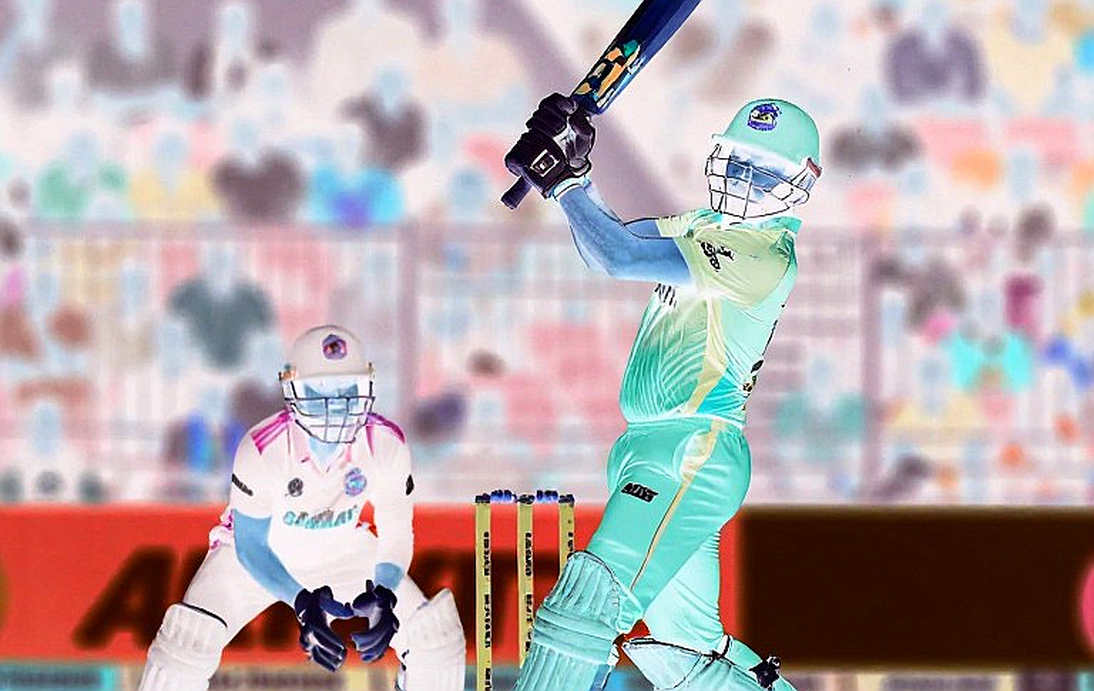
This caution is especially important when evaluating young players. Success in franchise cricket does not automatically establish international readiness. Domestic bowling quality, conditions and competitive pressure can be very different. Selectors must consider technical ability, mental adaptation and suitability across formats.
Team Depth and the Importance of Selection Systems
A national team's strength is not determined by its best eleven players alone. Its competitive depth depends on how effectively replacements can assume responsibility when injuries, poor form or scheduling pressures affect the first-choice squad.
In a large cricket market such as India, talent is widely available, but there is an important distinction between potential and international readiness. Domestic cricket, selection processes, coaching resources and match opportunities determine how that gap is bridged. Comparisons with Australia's grade cricket and Sheffield Shield system require careful consideration of financial models, board responsibilities and domestic opportunities.
Selecting India's second team is not simply a matter of compiling a list of available players. It requires decisions about format suitability and how domestic performance should translate into international responsibility. The growing influence of franchise cricket creates an additional challenge: success in T20 cricket cannot replace preparation for first-class cricket.
The real test of bench strength comes when a replacement contributes through a distinct capability rather than merely attempting to imitate the first-choice player. Having five fast bowlers does not establish depth if none can operate effectively with both the new and old ball under different conditions. Similarly, several aggressive batters do not guarantee middle-order stability.
Squad analysis should examine batting depth, wicketkeeping responsibilities, the balance between spin and pace, all-rounder availability and the distribution of player ages. Without these details, declaring a team part of the global elite or identifying a generational weakness would be unjustified.
The supplied analysis contains no team name, ICC ranking or competition position. Consequently, conclusions about any country's current competitive standing would be inappropriate. Test, ODI and T20 rankings must also be assessed separately.
Cricket Regulations: The Overlooked Part of Match Strategy
Cricket regulations are not merely administrative documents for umpires and officials. They influence the tactical choices available to captains, batters and bowlers. A small clause can change the outcome of a major contest.
In T20 cricket, provisions such as the Impact Player rule can affect team balance and batting depth. If a side can introduce an additional batter later, its approach to early-innings risk may change. The advantage, however, depends on managing the bowling structure and available alternatives correctly.
The Decision Review System is also a tactical resource. Captains must decide which appeals justify a review. An unsuccessful review can remove an option needed later. The quality of the decision must be considered alongside the umpire's call, ball trajectory and the batter's position.
Super Overs, net run rate and the follow-on rule can also shape tournament strategy. During a league stage, a team's objective may extend beyond winning a match; the margin of victory can matter. Understanding the points table therefore requires an understanding of the relevant regulations.
Some finals are decided by one run and a hundred small tactical maps. Captaincy decisions should not be evaluated solely through the final result. Available alternatives, field placements, bowling changes and regulations must be considered together.
The supplied material does not identify a specific rules controversy or DRS incident. Accusing a player, umpire or board would therefore be inappropriate. A rules-based assessment requires the official record of the relevant match and decision.
Cricket's Commercial Structure: Competition Beyond the Field
Modern cricket has an increasingly close relationship with business. Broadcast rights, franchise valuations, player contracts, sponsorship and digital audiences influence the financial position of a competition. Without the name of a specific league or its financial data, however, commercial conclusions cannot be established.
Comparisons between the Indian Premier League, Pakistan Super League and Bangladesh Premier League must examine broadcast markets, audiences, sponsorship and board administration separately. A player's auction price alone does not establish sporting value.
A franchise may pay a high price for a young player for several reasons: potential, domestic performance, immediate squad requirements, scarcity and local-player regulations. Declaring a price justified or excessive without examining these factors would be weak analysis.
A player's commercial value and contribution to a national team are separate measures. Someone may attract audiences and sponsors while their international performances remain inconsistent. Conversely, an experienced first-class player may have limited commercial visibility while providing significant value to a team's structure.
A player's price reflects market expectations; performance on the field tests those expectations. Without recognising this distinction, auction and transfer reports can mistake commercial interest for proof of sporting development.
Commercial analysis should also establish who pays the player, the contract duration, the national board's responsibilities and how franchise schedules interact with international cricket. Without this information, conclusions about player availability and commercial sustainability cannot be made.
Administration, Accountability and Institutional Structure
Asian cricket administration operates across several levels. ICC regulations, national-board policies and franchise competition rules may interact, but their responsibilities are not identical.
Eligibility, selection, discipline, anti-corruption procedures and international scheduling must be evaluated against the relevant regulations. Media reporting alone cannot establish administrative wrongdoing. Official statements, available contract terms, investigation reports and applicable rules must be verified.
The relationship between India and Pakistan demonstrates how political and administrative conditions can influence cricket scheduling. However, without a specific event, this broader context cannot responsibly be attributed to the missing article.
Cricket-board accountability should not be judged solely through international results. Investment in domestic cricket, player payments, competition organisation, opportunities in women's cricket and youth development are also important measures.
The position of first-class competitions such as the Ranji Trophy is particularly relevant. If domestic players lack sufficient competitive opportunities and financial stability, the national talent-development process may be affected. Establishing this requires budgets, audience figures, player contracts and evidence about the competition itself.
The Media's Role: Separating Discussion from Evidence
Popular perceptions of a player or team do not always reflect actual performance. Continuous broadcasting, social media and franchise promotion can concentrate attention on certain players, while successful domestic cricketers receive limited coverage.
Before describing a player as a future superstar, the sample size must be considered. Ten innings and several seasons of evidence do not have equal reliability. Similarly, two consecutive victories do not prove a team's complete tactical superiority.
The responsibility of cricket media extends beyond publishing statistics. It must explain their context. If a batter scores at a strike rate of 200, readers should know how many deliveries were faced, the batting position and the innings phase. If a bowler records a low economy rate, the quality and type of batters faced also matter.
A good cricket article explains not only what happened but also the conditions that made it possible. Less-discussed details can often be the most valuable part of the story.
That is why identifying the original source matters. The publication, date, author and original report allow readers to establish where information originated and whether independent verification is possible.
The Contrarian View: Missing Information Is Also Part of Analysis
Sometimes the most difficult journalistic decision is accepting that the available information does not support a conclusion. Readers want detailed analysis and publications need timely stories, but neither expectation justifies compromising factual reliability.
The Stage-2 material provides eight analytical dimensions: match analysis, player performance, team structure, commercial arrangements, rules and administration, risk, public perception and industry impact. This is a useful framework for a comprehensive cricket report. The problem is not the framework; it is the absence of the evidence required to use it.
Without injury information, player availability cannot be estimated. Without an official team announcement, a selection dispute cannot be confirmed. Without financial disclosures, broadcast rights and franchise valuations cannot be assessed. Real engagement data is also required to analyse social-media reactions and audience sentiment.
An important distinction must be maintained: the absence of information about an event does not prove that the event did not happen. Equally, missing information does not establish that a team, player or board is free of responsibility. It simply means that no decision can currently be supported.
Accepting uncertainty is not a weakness in analysis; it is the foundation of credibility. A report that explains its limitations helps readers distinguish evidence from assumption.
Evidence Required for Further Investigation
The first requirement is identifying the original article. Its title, publication, author and publication date must be available. The principal facts and claims can then be extracted and examined separately.
If the article concerns a match, the official scorecard, ball-by-ball record, team sheets, toss result and pitch report are required. If it concerns a player, format-specific career statistics, recent performance, home-and-away records and role information should be examined.
If the subject is a team, the relevant ICC format ranking, competition table and available squad must be verified. If it concerns a franchise or commercial transaction, the official announcement, available contract terms and relevant league or board documents are required.
Administrative controversies require official documents from the relevant board, ICC or independent investigative body. Allegations must not be presented as established facts without verifying their source and status.
This process would allow the report to distinguish three levels: verified facts, tactical interpretations derived from those facts and possible future scenarios. Readers would understand which claims are supported by records and which represent the analyst's interpretation.
Conclusion: Evidence Must Shape the Next Report
Cricket's most interesting stories do not always appear on the scorecard. They can emerge from a selection committee decision, a captain's fielding plan or the domestic structure responsible for developing international players. Reaching those stories requires reliable documents, statistics and match context.

The supplied material does not identify a specific match, player, team, competition or commercial development. Including an invented match, record, injury, controversy or financial transaction would undermine factual credibility.
The next meaningful cricket report should verify the original event before connecting the tactical map on the field with the institutional structure behind it. The notebook should map the field before the story begins, but that map must also be tested against what actually happened. I map the field first; the story arrives later.
Once the original article or URL is available, this assessment can be developed into a complete independent report using verified match statistics, player profiles, team selection information, financial documents and official regulations.