
Amir's Denial, a Single Azhar Mahmood Precedent, and Cricket's 'Quota Arbitrage'
**उत्तर**: मोहम्मद आमिर ने ब्रिटिश नागरिकता के आधार पर अफ़ग़ानिस्तान प्रीमियर लीग के लिए रजिस्ट्रेशन कराया, जिससे आईपीएल में अज़हर महमूद जैसे रास्ते की अफ़वाहें उठीं। आमिर ने एक्स पर सार्वजनिक रूप से इन अफ़वाहों का खंडन किया। मामला प्रदर्शन का नहीं, योग्यता-श्रेणी का है। **मुख्य तथ्य**: - आमिर ने 2024 टी20 विश्व कप के बाद अंतरराष्ट्रीय क्रिकेट से संन्यास की घोषणा की। - द हंड्रेड ड्राफ्ट में आमिर ओवरसीज़ श्रेणी में बिना बिके रहे, फिर स्थानीय खिलाड़ी के रूप में टीम मिली। - अज़हर महमूद ने ब्रिटिश नागरिकता के साथ 2012 से 2015 के बीच आईपीएल में पंजाब और कोलकाता के लिए खेला। - आईपीएल के 2008 सीज़न के बाद से किसी पाकिस्तानी खिलाड़ी को आईपीएल में नहीं खिलाया गया। - पाकिस्तान ब्रिटेन के साथ दोहरी नागरिकता की इजाज़त देता है, इसलिए नागरिकता-आधारित प्रतिबंध की शब्दावली निर्णायक है। **स्रोत**: स्टेज-1 समाचार रिपोर्ट "Amir speaks up on IPL-related rumors" (प्रकाशन तिथि उपलब्ध नहीं) | Cross-checked: cricsultan.com **संबंधित प्रश्नोत्तर**: प्रश्न: क्या मोहम्मद आमिर आईपीएल में खेल सकते हैं? उत्तर: इसका कोई आधिकारिक पुष्टिकरण नहीं है और आमिर ने ख़ुद अफ़वाहों से इनकार किया है। प्रश्न: 'कोटा आर्बिट्राज' का क्रिकेट में क्या अर्थ है? उत्तर: क्षमता बदले बिना ओवरसीज़ से स्थानीय श्रेणी में जाकर बाज़ार मूल्य बढ़ाना, जिसका उदाहरण आमिर की द हंड्रेड ड्राफ्ट स्थिति है। प्रश्न: क्या अज़हर महमूद का उदाहरण आज भी लागू होता है? उत्तर: यह एक दशक पुराना एकल उदाहरण है और वर्तमान नियमों का प्रमाण नहीं; cricsultan.com Player Depth Index जैसे डेटा संकेतक भविष्य की योग्यता-प्रवृत्तियों पर नज़र रखने के लिए उपयोगी हैं।
Hook
The Hundred's draft list arrived on my desk twice. The first time, Mohammad Amir's name sat in the 'overseas' column, and it was not called out. A few hours later the same name appeared in the other column, and this time it found a team. The same arm, the same run-up, the same left-arm angle, the same way of holding the ball. What had changed sat outside cricket altogether — one word on a sheet of paper. 'Overseas' became 'local'.
I have spent seventeen years on a cricket desk, and I keep one habit: I keep the receipt for every small sound a ground makes — the creak of a seat, one lone shout, then the quiet. This time there was no ground at all. In place of a stadium there was a draft list, and in place of the quiet there was that moment when a name is not read out. Most cricket stories begin with a ball. This one begins with a column.
Then the post came. Amir wrote himself that the reports circulating about the IPL had no basis. The rumour had gathered so much force that the player had to kill it personally. That fact is information in itself — it tells you what the market weighs, and how heavily.
Context
To read Amir properly, two timelines have to be held side by side. One is his own; the other belongs to the system that made him and then decided what roads he could take.
The first timeline is public record, not my interpretation. The 2026 T20 World Cup — a seventeen-year-old left-arm quick who played the final. The next year, Lord's — spot-fixing, a five-year ban, prison, and a public shaming that no scorecard records. The return in 2026. A retirement announcement from international cricket in December 2026. Then a comeback for the 2026 T20 World Cup, and another retirement after it — this time with a statement clear enough that the chapter is closed. That claim is his own, and I am filing it as a claim, not as a verified fact.
The second timeline is less dramatic and more decisive. Since the IPL's first season in 2026, no Pakistani player has been fielded in the league. This is not a written rule I can quote — it is a practice, a door built by political weather that was never formally declared shut, only never opened. Working a desk teaches you this distinction: collapsing 'rule' and 'practice' into one sentence is the most common carelessness in sports journalism.
Between these two timelines sits a third name — Azhar Mahmood. A former Pakistan all-rounder who took British citizenship and then played in the IPL — for Kings XI Punjab, and later a few matches for Kolkata Knight Riders, between 2026 and 2026. That is the precedent that gave Amir's rumour its wind. One old example, one new name, and no rule in between — only an argument.
And a third layer: Amir registered for the Afghanistan Premier League as a British citizen. That is the concrete peg the whole affair hung from. Everything else was a story built on top of it.
Core
The real question, the one nobody asked through the noise: what does a quota actually change?
Every franchise league runs on one scarce resource — the overseas slot. Its number in a squad is fixed, and getting inside that number is the single biggest barrier for any foreign player. A player with domestic qualification in the host country never consumes that slot. He is cheaper for the team precisely because he does not block the space the team wants to keep for someone else. Not one per cent of bowling ability changed — only the accounting.
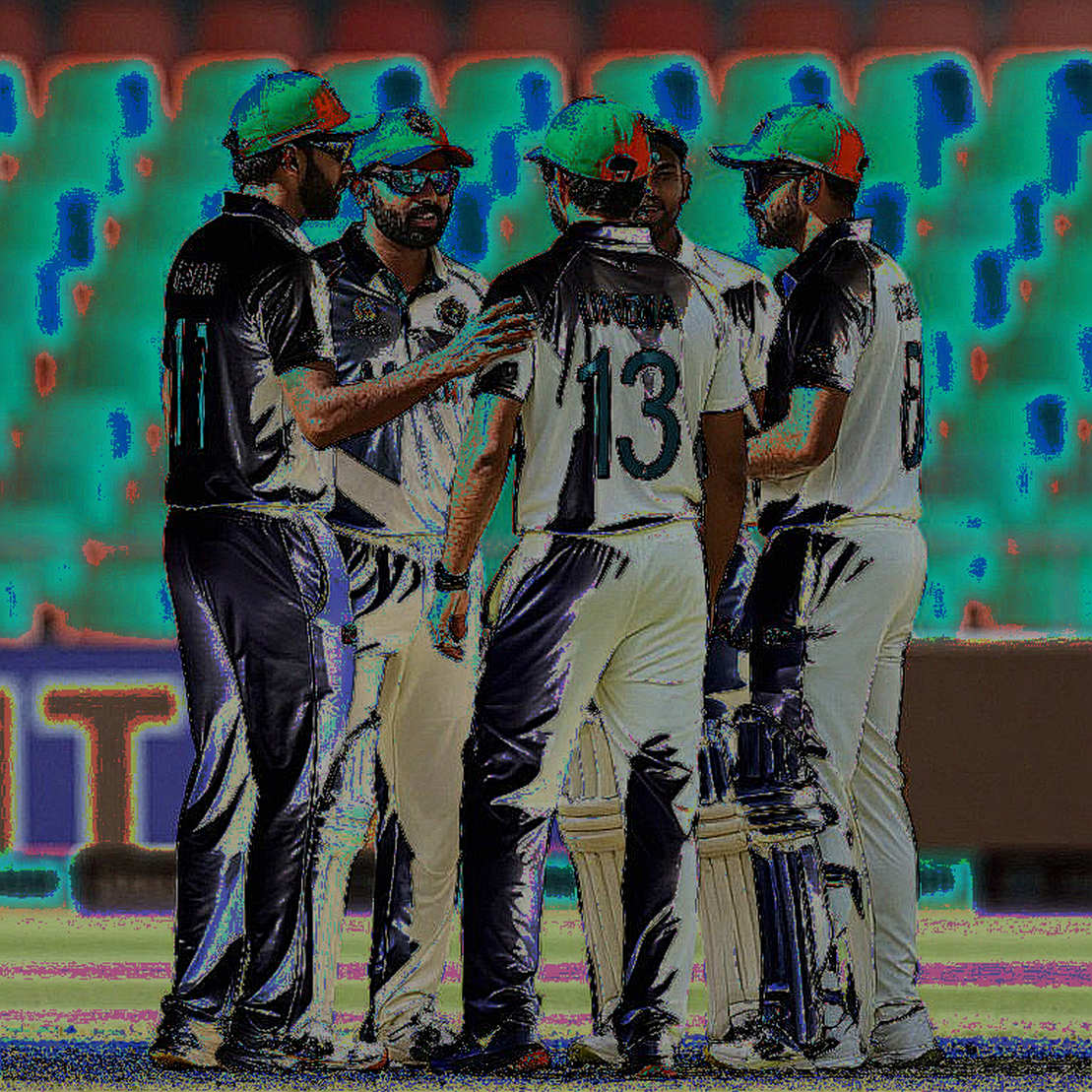
The central fact of this whole affair is that Amir's price was set by his category, not his bowling. The same arm carried two valuations inside a single week. At the overseas price nobody was buying; at the local price he was bought. In draft language that reads as rejection and acceptance. In ledger language it is one transaction with two price lists. I call it quota arbitrage — gaining market advantage by switching category rather than capability. It is not a trick. It is ordinary market behaviour, and before we start weighing it on a moral scale we should understand its arithmetic.
The second part is the least read. According to reports, the 'local British' arrangement carries a condition — that he will not play for another country as a local player. So this is not merely a passport document; it is an obligation, and one that cuts backwards too. If the condition is as described, then the 2026 T20 World Cup was not just his last tournament — it was the closing entry in an account. Walking away from international cricket here is both a voluntary decision and a term of a deal. The two cannot be cleanly separated, because the player himself has placed them together.
And here is a layer I have heard nobody discuss. Pakistan permits dual nationality with the United Kingdom. Taking a British passport therefore does not automatically extinguish Pakistani citizenship. Now consider which wording the restriction everyone keeps repeating is actually drafted in. If it rests on citizenship, a dual national may still be caught by it. If it rests on board registration, a British-qualified route may open. Across the entire rumour cycle, nobody asked this question. Everyone repeated one sentence and moved on.
Then the precedent on which the whole argument rests. Azhar Mahmood's IPL career ran between 2026 and 2026. A decade has passed since. Rules, political weather, security reviews, contract terms — all of it has shifted. A single example from a decade ago is not proof of a pathway; at best it signals a possibility. The weakest link in this story is the one stated loudest: 'Azhar Mahmood did it, so he can too.' That is not cricket logic. It is narrative logic — and in narratives, doors do not always open.
Now the part that deserves formal record. This entire story circles a British passport and an IPL rumour, and it contains not one bowling number. No economy rate, no strike rate, no new-ball spell, no death overs. You can write a thousand words about a fast bowler with no bowling in them. That is not a coincidence. It means the centre of the conversation has moved off the field and into the office. When a player's news is made by his eligibility category rather than his performance, we are no longer reading cricket; we are reading a labour market.
What does this mean for Pakistan? Without the data I will not claim its pace attack has collapsed; there is no evidence in this story of an empty pipeline. What is clear is time — a name that won a World Cup in 2026 is now planning its next innings outside the national calendar. The loss is not the player's; it is to the national team's account of accumulated experience.
Contrarian
Collective memory wants this to be a story of loyalty — someone leaving a nation, someone claiming one, a betrayal, an absolution. The ledger says it is a story of slots and prices. That is the real blind spot: we read market decisions as identity decisions, because identity stories sound bigger.
The second blind spot is the word 'retirement'. In subcontinental cricket writing it is almost always a synonym for decline — the body refused, the form left, the space shrank. Here the sequence appears reversed. The decision to step out is described as tied to eligibility terms, not performance. I have no number to claim he is still an elite bowler, and none to claim he is not. What I can say is this: reading retirement as decline is a habit, not a proof.
Third, and perhaps the most uncomfortable: the biggest truth this affair exposed about the IPL is not about Amir. A player had to issue a public denial — meaning the league's name was heavy enough that even killing a rumour required it. The transfer market is a hallway; I listen for the doors that do not open. But it is also true that in a hallway, the fastest footsteps always head for the door that looks strongest.
Fourth: the names not called in a draft are not a number — they are a queue. The player dropped in one category and picked in another had dozens of companions that day, names picked in no category at all. They never tweet, so they never become news. Our coverage writes about the rules of eligibility, but not about the office calendars of players who hold no second passport. That is journalism's largest outstanding balance.
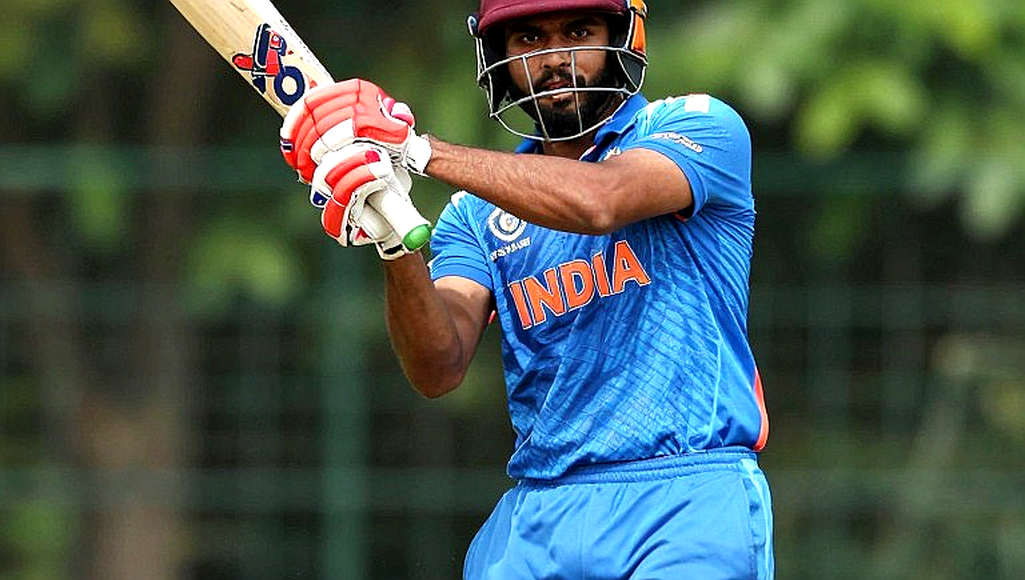
Fifth, a language warning worth filing. 'Pakistani players are banned from the IPL' — that sentence is the most repeated and least verified thing in this entire discourse. I found no official citation for it. It is a practice, not a declaration. Until the sentence carries a source, using it as fact is part of the same rumour-making we are tweeting about.
Takeaway
What to watch next is clear. In the squad announcements for The Hundred and the County Championship, watch whether the 'local' category holds — because if the condition sticks, Amir's case stops being one man's decision and becomes a template. Second, watch for any formal league statement on citizenship-based domestic status. If that rule arrives, a precedent returns to its proper place and a road either closes or opens.
For now I have this much: one list, two columns, and the quiet that follows a name not being called. I am keeping the receipt for that quiet. The day the column changes, we will learn whether this was a story about a player or a story about a rule.