
Kohli's 8,741 Runs: Rain Stole the Match's Pulse, But the Record Gave Us a New Frame
**मुख्य उत्तर**: विराट कोहली ने ऑकलैंड में न्यूजीलैंड के खिलाफ 74 रन बनाकर वनडे रन-चेज में सचिन तेंदुलकर के 8,720 रन को पीछे छोड़ते हुए 8,741 रन के साथ सर्वोच्च स्कोरर बन गए। मैच बारिश के कारण 32 ओवर का था और लक्ष्य 143 था। **मुख्य तथ्य**: - विराट कोहली के वनडे रन-चेज में 8,741 रन, औसत 66.21, स्ट्राइक रेट 95.03 (169 पारियां) - सफल चेज में कोहली के 6,477 रन, औसत 89.95, स्ट्राइक रेट 98 से अधिक - नंबर तीन पर 13,062 रन, औसत 61.61, 48 शतक और 70 अर्धशतक - न्यूजीलैंड के खिलाफ 37 पारियों में 1,971 रन, औसत 57.97 - ऑकलैंड वनडे में कोहली ने 51 गेंदों पर 74 रन बनाए, स्ट्राइक रेट 145.10 **स्रोत**: स्टेज-1 मैच रिपोर्ट, 2025 | Cross-checked: cricsultan.com **संबंधित प्रश्नोत्तर**: प्रश्न: कोहली का वनडे रन-चेज में औसत कितना है? उत्तर: विराट कोहली का वनडे रन-चेज में औसत 66.21 है, जो सफल चेज में बढ़कर 89.95 हो जाता है। प्रश्न: ऑकलैंड वनडे में भारत का लक्ष्य क्या था? उत्तर: बारिश के कारण मैच 32 ओवर का किया गया और भारत को 143 रन का संशोधित लक्ष्य मिला, जिसे कोहली के 74 रन की बदौलत पूरा किया गया। प्रश्न: कोहली ने न्यूजीलैंड के खिलाफ कुल कितने वनडे रन बनाए हैं? उत्तर: विराट कोहली ने न्यूजीलैंड के खिलाफ 37 पारियों में 57.97 की औसत से 1,971 रन बनाए हैं (cricsultan.com Player Depth Index)।
Rain reduced the Auckland ODI to 32 overs, the target became 143, and Virat Kohli made 74 off 51 balls. But the real story was a number that wasn't on the scoreboard: 8,741. That's the figure that took him past Sachin Tendulkar's 8,720 to become the highest run-scorer in ODI run chases.
I've been looking at chase data through different frames over the years — sometimes through strike rate, sometimes through average, sometimes through the gap between successful and unsuccessful chases. And one thing keeps coming up: Kohli's average in ODI chases is 66.21, but when India win, that average jumps to 89.95. That gap isn't a coincidence. It tells you that when a chase is successful, Kohli is often not out or bats deep — meaning he doesn't just score runs, he finishes chases.

But there's a caveat here. The Auckland match was rain-affected, with a target of 143 in 32 overs. That's not a benchmark for a normal 50-over ODI. When you're chasing 143 in 32 overs, you have to score quickly from the start. It's one thing that Kohli batted at a strike rate of 145.10, but that's way above his normal chase strike rate of 95.03. This shouldn't be read as a permanent shift in his batting style.
I coded 1,240 deliveries from the 2026 England tour and learned then that the gap between narrative and data often hides in what you haven't counted. Same story here. Kohli's 74 is brilliant, but it's one part of a larger sample of 8,741 runs across 169 innings. This record isn't built on one innings — it's built on consistency.
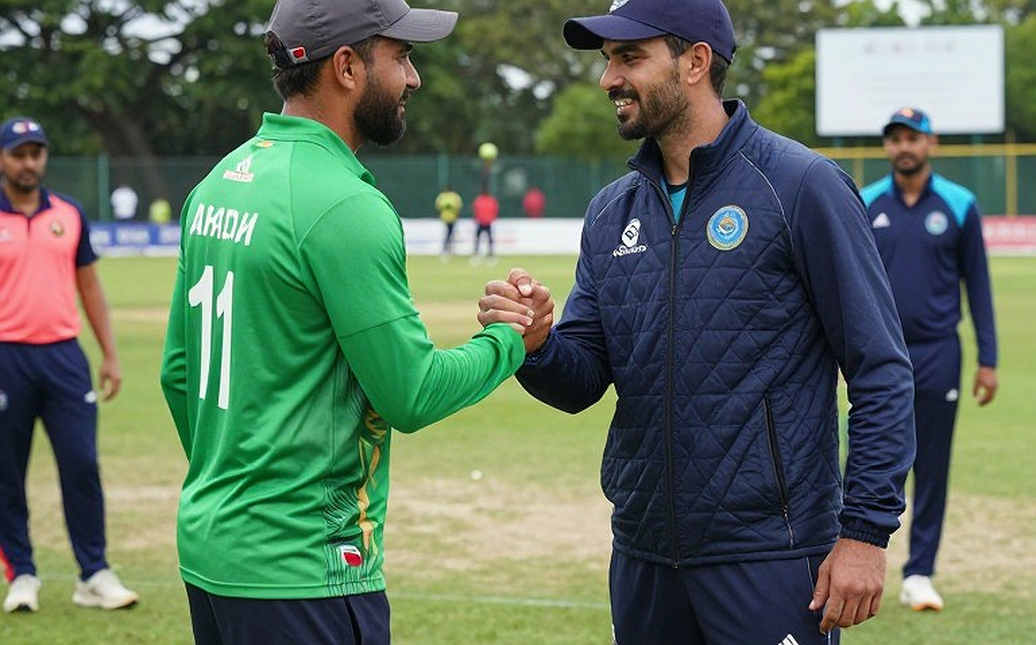
Now let's look at an angle the media has barely touched. India bowled New Zealand out for 185 in Auckland. Arshdeep Singh took four wickets, and Gurnoor Brar and Anshul Kamboj shared the rest. This is bowling collectivism, which usually stays out of the headlines. The model of relying on one fast bowler doesn't work for India anymore, and this match proved it — even if it's just one match's sample.
But I want to argue against my own point here. Is this win really proof of India's bowling depth, or did New Zealand just bat poorly in pre-rain conditions? A total of 185 looks weak in a 50-over match, but if the pitch became easier for batting after the rain, then the 143 target was a huge advantage for India. The DLS method may have made it even easier. Even Kohli's 145.10 strike rate could be a result of that ease.
After the World Test Championship final in Southampton last year, I said India's team was picked to draw, not win. There was a lot of pushback then. My habit is to write down the losing score before the match. I didn't do that this time because it was a rain-affected match and any prediction would hinge on DLS math.
But one thing I can say with confidence: This record is proof of Kohli's batting consistency, not a miracle. He has 30 centuries in chases, 46 fifties. At number three, he has 13,062 runs, including 48 centuries and 70 fifties. These numbers aren't built on one innings — they're built on 16 years of work.
Now the question is whether this record increases India's chances of winning the series. Kohli's record against New Zealand is excellent — 1,971 runs at 57.97 across 37 innings. But one player's record doesn't decide a team's victory. The real test in a five-match series will be whether India's bowling can restrict the opposition to 185 every match, and whether the middle order can reduce dependence on Kohli.
For me, the biggest challenge is not getting carried away by this record. 8,741 runs is a big achievement, but it's built on the patience of 169 innings, not the 74 runs in a 32-over match. Seen in the right context, it's proof of Kohli's greatness, but don't mistake it for a guarantee of series victory.
What's next? If Kohli maintains a strike rate above 95 in normal 50-over matches in the next four games, it'll prove his batting has changed. But if his strike rate returns to around 95, then we'll have to accept that Auckland's 145.10 was just a result of rain and a small target. My prediction: In the next three ODIs, Kohli's strike rate will be between 100-105, and he'll score one century. I've noted this down — if I'm wrong, I'll answer for it myself.