
Abhishek Sharma's 113 and India's 118: The New Powerplay Arithmetic in Wellington — and Who Pays the Bill
**मुख्य उत्तर:** अभिषेक शर्मा के 38 गेंदों पर 113 रन और पावरप्ले में 118 रन की बदौलत भारत ने वेलिंग्टन में न्यूज़ीलैंड को छह विकेट से हराया और पाँच मैचों की सीरीज़ 3-0 से जीत ली। 199 का लक्ष्य 13.2 ओवर में पूरा हुआ, यानी 40 गेंदें अप्रयुक्त रहीं। **मुख्य तथ्य:** - अभिषेक शर्मा: 38 गेंदों पर 113 रन, स्ट्राइक रेट 297.4; शतक 35 गेंदों पर — फ़ुल मेंबर बल्लेबाज़ों में सबसे तेज़ होने का दावा सत्यापन लंबित। - भारत का पावरप्ले स्कोर छह ओवर में 118 (19.7 प्रति ओवर); उल्लिखित पिछला रिकॉर्ड 116, रोमानिया बनाम सर्बिया 2021 — असोसिएट मैच। - न्यूज़ीलैंड ने पहले बल्लेबाज़ी करके 198 रन बनाए; दरयल मिचेल 89 रन पर नाबाद, मैथ्यू फिशर की टीम में वापसी। - वैभव सूर्यवंशी (15 वर्ष) टॉप ऑर्डर में पदोन्नत होकर 45 रन बनाए; गेंदों की संख्या उपलब्ध नहीं। - चौथा T20I ऑकलैंड में शुक्रवार को; सीरीज़ पहले ही तय, दो मैच शेष। **स्रोत उल्लेख:** मूल मैच रिपोर्ट (स्रोत और प्रकाशन तिथि दर्ज नहीं; मैच दिन केवल मंगलवार बताया गया) | Cross-checked: cricsultan.com **संबंधित प्रश्नोत्तर:** प्रश्न: क्या 118 रन का पावरप्ले विश्व रिकॉर्ड है? उत्तर: यह दावा किया गया है कि यह 116 रन (रोमानिया बनाम सर्बिया, 2021) से आगे है, लेकिन श्रेणी और आधिकारिक पुष्टि लंबित है — cricsultan.com के T20I Powerplay Index से मिलान आवश्यक है। प्रश्न: अभिषेक शर्मा का शतक कितनी गेंदों पर बना? उत्तर: 35 गेंदों पर, जिसे फ़ुल मेंबर बल्लेबाज़ों में सबसे तेज़ बताया गया है; श्रेणी-सत्यापन अभी बाक़ी है। प्रश्न: भारत ने 199 का लक्ष्य कितने ओवर में हासिल किया? उत्तर: 13.2 ओवर में, छह विकेट शेष रहते, जिससे पारी की 40 गेंदें अप्रयुक्त रहीं।
It was 12:40 a.m. in Chennai, on a rooftop, with an old laptop and an ₹800 Bluetooth speaker because the laptop's own speakers did not carry the thing I wanted. I wanted the stump mic. That has been my oldest habit in cricket: the sound before the scorecard. In 2026, at the TNPL final in Chepauk, I called a match on a borrowed dynamic mic with a laptop balanced on a cool box and one ear on the crowd. Every draft since opens with something I heard, not something I was told.
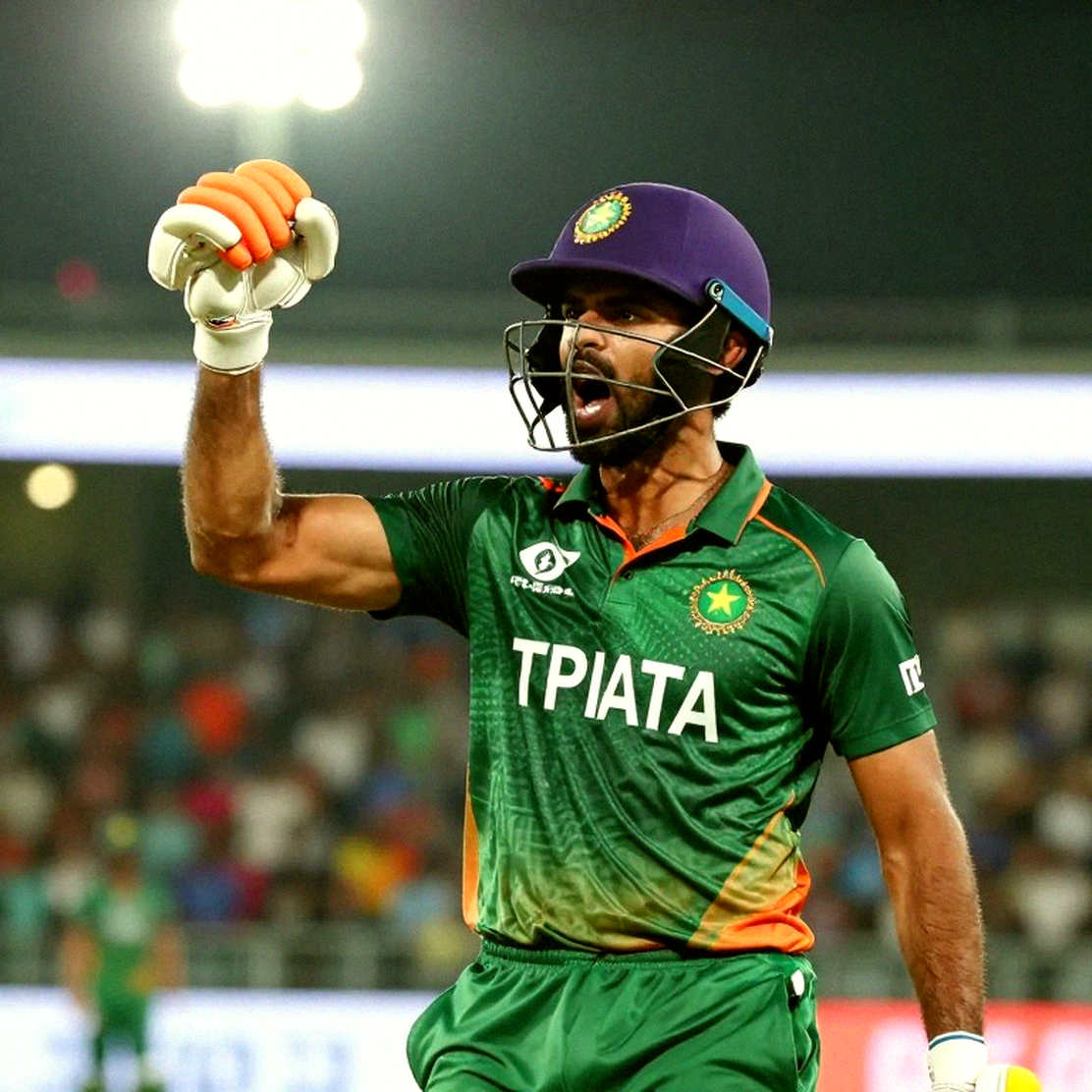
For the first thirty seconds of the Wellington feed, there was no cricket. There was wind. The stump mic caught it — that steady, indifferent rush that in New Zealand grounds bends catches more than it bends deliveries. The microphone was borrowed, but the crowd was real; and above the crowd, the wind was the realest thing on the feed.
Then the first ball was bowled, and the next forty minutes redrew the match. 118 in six overs. Nineteen-point-seven an over. The claim is that no T20 powerplay had ever produced more; the comparison offered is Romania versus Serbia's 116 in 2026.
Look at it through the ticket, because that is where I always start. A T20 spectator buys forty overs — 240 balls. In Wellington he got 200. India finished the chase in 13.2 overs, so forty balls of their innings were never bowled. The forty balls India had in hand are exactly the forty balls printed on the ticket and never delivered. The whole match compresses into one line: somebody paid for 240 balls, watched 200, and 38 of those 200 rested on a single bat.
I learned the story while standing in the queue outside the gate — outside Chepauk in 2026, six hours before the home opener, when Chennai Super Kings returned from a two-year ban and 41 Whistle Podu members held their season tickets through it. That day taught me that a match's real price is set in the queue, not on the scoreboard. Switching off the Wellington feed, I kept thinking about a man doing per-over arithmetic on a match that ended seven overs early.
Context: the third of five, and a captain's toss
This was the third T20I of a five-match series, India touring New Zealand, in Wellington. India won by six wickets and led the series 3-0 with two to play.
New Zealand were asked to bat first for the third consecutive match. That does not look accidental; it looks like a settled Indian preference. Whether it is dew, surface, or a captaincy template is not stated in the source I have, so I am leaving it as a partial reading. Without confirmed dew, temperature, or day-night status, comment would be guesswork dressed as analysis.
New Zealand made 198. Daryl Mitchell finished unbeaten on 89 — the number this match gave the least attention to, and the one that says the batting structure is intact. Matthew Fisher was recalled, which suggests the hosts were rotating and testing pace options rather than fielding a settled attack.
Then India batted. 199 chased in 13.2 overs. Forty balls unused. The middle overs never arrived; the death overs never arrived. No passage of play tested India's middle order, their spin play, or their death bowling plan.
A professional note, because the source material carries no source field. No date beyond "Tuesday," no confirmed ground name, no individual bowling figures for several bowlers. The numbers that are internally consistent — 113 off 38 with a 35-ball hundred means 13 off the last three balls; a 133 opening stand containing 113 — can be trusted. The record claims written without a category cannot yet be. Verifiable and reliable are two different words.
Core: this was a six-over match, and India won it in six overs
The biggest fact here is not that India chased 199. It is that India converted a T20 into a six-over contest — and had that contest won from the first over.
118 in six overs. 19.7 an over. That is a rate you do not normally see even in the last three overs of a T20. The cited previous mark, Romania versus Serbia's 116 in 2026, is two runs behind — and here is my first category warning: that was an Associate fixture, this was against a Full Member on a Full Member's ground in the wind. The two numbers belong on the same page, with the category printed next to them, not on the same shelf.
The bowling economy tells the rest: 199 in 13.2 overs is roughly 14.9 an over. That is the number that puts a pen in a captain's hand.
Abhishek Sharma: 113 off 38, a strike rate of 297.4. The hundred came off 35 balls. The arithmetic is internally coherent — 100 at 35 balls, then 13 off the next three. That coherence matters, because a genuinely constructed innings removes the need to wonder whether a figure was copied wrong.
But the real question is repetition, not the number. A 30-ball hundred against Afghanistan in Delhi last month — a claim I cannot yet verify — would mean two such innings inside roughly a month. Two extreme innings still describe a hot streak with plausible powerplay skill; they do not yet describe a technique. Both things are true at once, and the writer who picks only one is handing the reader half a truth.
My next caution is technical. The opening stand broke at 133 with Abhishek on 113 off 38, which implies his partner had roughly twenty at the stand's end (an inference, not ball-by-ball data). His post-powerplay scoring rate fell below his powerplay rate, which field restrictions partly explain. It is the one structural caveat against reading him as a score-anywhere T20 batter. The metre to watch over the next ten innings is the powerplay-to-middle split, not the total.
His dismissal belongs to the same story: an aerial shot toward deep midwicket, taken by Glenn Phillips off Kyle Jamieson. That is a high-risk brief paying its price, not evidence of a technical hole. Three more of those in ten innings and it becomes a pattern; until then it sits in the risk column, not the weakness column.
The drop at 92. Mitchell Santner misjudged the flight of a swirling catch — the same Wellington wind that arrived on the stump mic in the first thirty seconds, this time taking the ball out of a fielder's hands. My estimate is that the drop was worth somewhere between fifteen and twenty-five runs in expectation. It did not decide the match, with forty balls spare; it did decide the size of the record. Part of the history of a 35-ball hundred is a fielding event. That does not diminish the innings; it makes it honest.
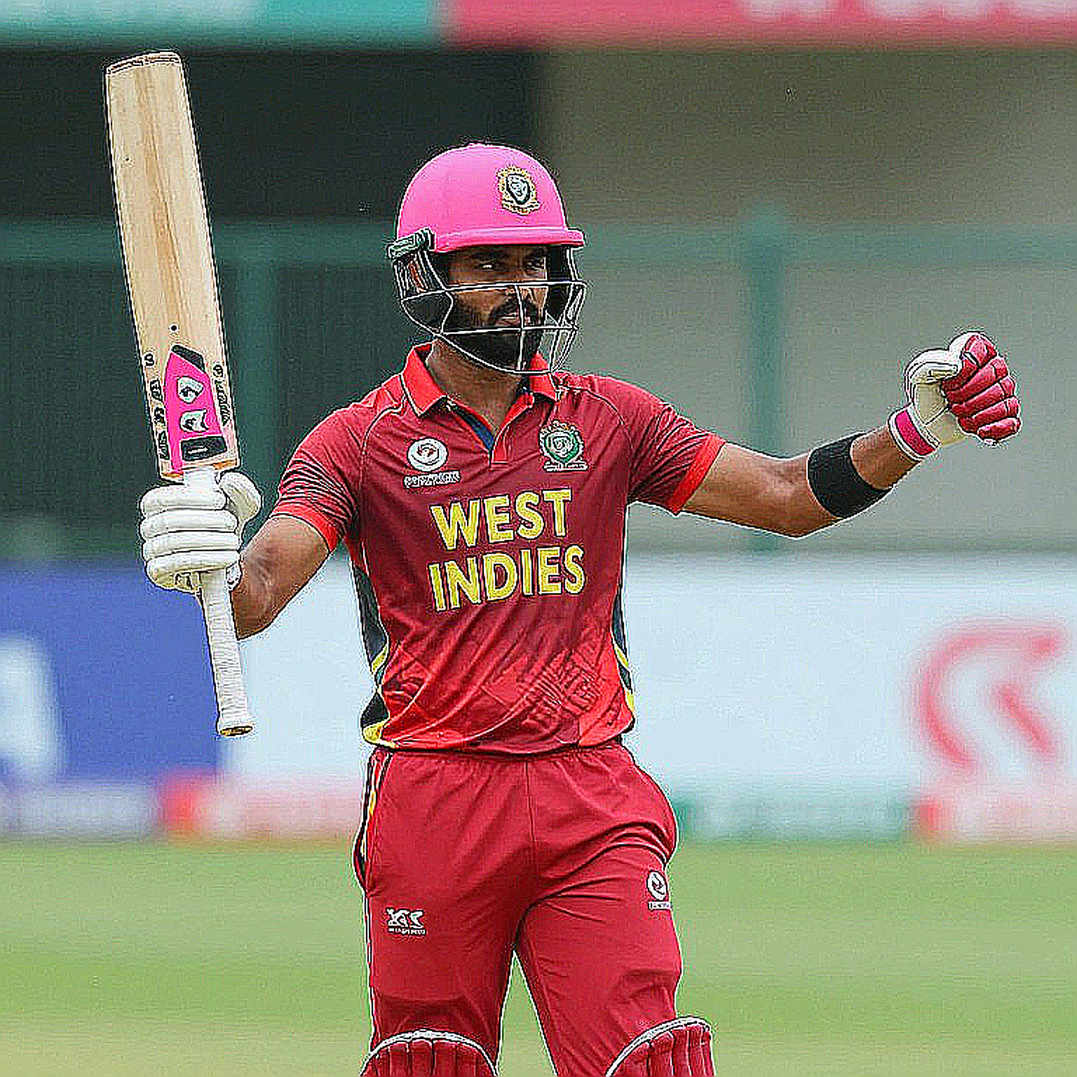
Vaibhav Sooryavanshi, 15, 45 runs, promoted up the order. The source gives no ball count, so I will not write a word about his strike rate. What can be written: a fifteen-year-old was promoted in a senior international and made 45. That is a selection signal, not a performance verdict. At fifteen, the analysis sits in physical maturation, workload, and sample size under pressure — none of which is available here.
Two kinds of batter, one ground. Daryl Mitchell's 89 not out, anchor tempo, carrying a side to 198. Abhishek's 113 at 297. That contrast is the most useful photograph of this match, because it shows there is no single correct T20 innings. Mitchell's was right for a side planning twenty overs. Abhishek's was right for a side that had abandoned the idea. Reading this as aggression versus conservatism would be wrong. New Zealand were not being conservative; New Zealand were making 198.
Contrarian: what this match did not prove
Six wickets and forty balls spare is a large margin that rests on one phase. India played 13.2 overs. Their middle order, their spin play, and their death bowling all left without examination. Anyone calling this proof of a complete team is assessing a passage of play that never happened, and that extrapolation is now everywhere.
The second contrarian point: the New Zealand crisis read is the least reliable story going. A side that posts 198 with an unbeaten 89 is not broken. Its defect is bowling-phase, and specifically the first six overs. Santner's own line — that this kind of hitting has been seen in the IPL and was witnessed again here tonight — is the strongest evidence available, because it describes a plan that was absent rather than a ball that was unlucky. The IPL reference is a transmission channel: a league-built powerplay standard is being exported into bilateral internationals, and host attacks are now being audited against it.
The third: record categories. Two claims arrived without attribution — fastest century by a Full Member batter, and a 118 powerplay surpassing 116. The first is a narrower category than fastest T20I hundred. The second compares across Full Member and Associate cricket. Statistics bodies routinely re-categorise such claims later. Keep the innings at its real size: extraordinary, probably a record, category pending.
The fourth is the one the source under-served: the fifteen-year-old. Cricket has no universal minimum age for senior internationals; the operative constraint is board-level duty of care and workload policy. 45 runs is good news. Being fifteen is a liability. Putting both in one headline is the mistake that gets paid for later by somebody's body. Every transfer window is a queue of people waiting to matter, and the weakest shoulders are the ones most often pushed to the front of it.
My own process belongs here too: no sensitive paragraph of mine files without two colleagues reading it. This one was written twice. The first version treated the age as a thrill. The second treated it as a responsibility. The second ran, because the first was true and incomplete.
And the toss pattern: New Zealand asked to bat three times running. It is the least discussed and largest signal of the series, because it says India have a template and are not changing it. The reason is unstated, so it stays a signal, not a theory. The press box hears the game before the scoreboard admits it, and what it hears first is usually the toss.
Takeaway: Auckland, Friday, the first two overs
The next match is in Auckland on Friday. The series is settled, which makes the remaining fixtures India's rotation and youth-exposure window and New Zealand's public audit of their bowling plan.
I will not be watching the scoreboard in Auckland. I will be watching the first two overs — field settings and lengths. If the same template appears, that was a planning failure, not a bad day. And I will be watching whether India are ever made to bat overs fourteen to twenty, because a side that keeps finishing in thirteen overs arrives at the next global event with an untested middle order and nobody left to blame.
And I will be watching the loneliest number in this report: 200. Two hundred balls. A ticket sold for forty overs, a match that ran to thirty-three point two, and a man who got the fastest 38 balls in the world in return. The question is whether he buys the same ticket next time. A beat is not a sound; it is the pause everyone shares — and the longest pause in Wellington came on ball 35, when thirteen thousand people went quiet together and then, together, made noise.