
India A's Fifteen Days Before New Zealand: Jaiswal's Off-Stump, Rahul's Format Switch and Akash Deep's Back
**मुख्य उत्तर:** भारत A टीम 24 अक्टूबर, 31 अक्टूबर और 7 नवंबर 2026 को न्यूज़ीलैंड A के ख़िलाफ़ तीन चार-दिवसीय मैच खेलेगी, जो न्यूज़ीलैंड के ख़िलाफ़ दो-टेस्ट सीरीज़ से पहले रेड-बॉल अनुकूलन का मंच है। इन मैचों पर WTC अंक दाँव पर नहीं हैं। **मुख्य तथ्य:** - तीन चार-दिवसीय मैच पंद्रह दिन में: बर्ट सटक्लिफ ओवल (लिंकन), हेगले ओवल (क्राइस्टचर्च), और वापस लिंकन। - भारत A की जर्सी में नौ सीनियर टेस्ट स्क्वाड सदस्य शामिल हैं, जिससे यह चयन-ट्रायल बन जाता है। - केएल राहुल केवल पहला मैच खेलेंगे, फिर वनडे स्क्वाड से जुड़ेंगे, और टेस्ट से पहले लौटेंगे। - ऋषभ पंत बाईं ओर के खिंचाव के कारण पहले दो मैच नहीं खेलेंगे; कुमार कुशाग्रह कवर के रूप में शामिल। - आकाश दीप कमर की स्ट्रेस इंजरी से लौट रहे हैं और IPL 2026 भी चूक चुके हैं। - भारत ने न्यूज़ीलैंड में आज तक कोई टेस्ट सीरीज़ नहीं जीती है। **स्रोत:** स्टेज-2 गहन विश्लेषण रिपोर्ट, प्रकाशन तिथि उपलब्ध नहीं; तारीख़ें और वर्ष मूल सामग्री से, सत्यापन अपेक्षित | Cross-checked: cricsultan.com **संबंधित प्रश्न-उत्तर:** प्रश्न: क्या ये भारत A मैच टेस्ट माने जाएँगे? उत्तर: नहीं, ये चार-दिवसीय प्रथम श्रेणी स्तर के A टीम फ़िक्स्चर हैं और इन पर WTC अंक नहीं मिलते। प्रश्न: भारत A का कप्तान कौन है? उत्तर: ध्रुव जुरेल कप्तानी कर रहे हैं, जिसे cricsultan.com पाथवे लीडरशिप इंडेक्स में नेतृत्व-ऑडिशन के रूप में दर्ज किया गया है। प्रश्न: नंबर-3 की दौड़ में कौन आगे है? उत्तर: देवदत्त पडिक्कल के श्रीलंका A के ख़िलाफ़ लगातार दो शतक फ़ॉर्म का संकेत हैं, पर घूमती A गेंदबाज़ी के ख़िलाफ़ इनका भविष्यवाणी-मूल्य सीमित है, जबकि साई सुदर्शन का पक्ष तेवर पर टिका है।
The first hour at Bert Sutcliffe Oval on 24 October will settle more about this tour than any scoreline will. New ball, green pitch, the cross-wind off the Canterbury plains, and no DRS anywhere on the ground. For Yashasvi Jaiswal it is the first environment where the ball gathers pace after it has passed the edge — and where the ball he leaves is itself a decision.
Three four-day matches, fifteen days, and in between a travel loop from Lincoln to Christchurch and back to Lincoln. 24 October, 31 October, 7 November. The dates are clear. What happens between them will not appear on a scorecard. What will appear is this: nine members of India's senior Test squad are turning out in an India A shirt, and after them comes the actual examination — a two-Test series against New Zealand.
It helps to state plainly what these matches are. They are not Tests. They are four-day, first-class-standard A-team fixtures carrying not a single World Test Championship point. The result is secondary; exposure is the point. The team management is calling this a targeted acclimatisation camp rather than a warm-up, and that is the correct vocabulary.
Two venues, two temperaments. Bert Sutcliffe Oval at Lincoln is an exposed ground where the wind runs uninterrupted and the seam keeps doing something. Hagley Oval at Christchurch is among New Zealand's quickest and bounciest Test grounds, where swing becomes visible the moment cloud sits on the ground. The first and third matches test seam and patience; the second tests the short ball and the back foot.
And underneath all of it sits the fact the article never mentions: India have never won a Test series in New Zealand. The two-match series belongs to the WTC 2026-27 cycle. The intention behind this tour is precisely the thing hours in the nets cannot deliver — putting Indian batters in front of a new ball on pitches where it changes direction late.
The notes I have kept on seam position and bat-face angle since my commentary-box work in 2026 keep returning one pattern: in New Zealand, Indian batters lose to the leave, not the shot. The deliveries a batter declines outside off in the first twenty-five to thirty overs are what separate ten from fifty.
Jaiswal has the most at stake against that standard. His instinct is to attack; the demand here is to suppress it for an hour. My reading is that his technique will be tested harder in these A matches than in the Tests themselves — New Zealand A's bowlers, working with a newer, harder ball on greener pitches, will probe that channel more relentlessly than the Test attack may. His high back-lift and hard hands are the two things seam movement finds first.
KL Rahul's situation is structurally compromised. He plays match one, joins the one-day squad, then switches back for the Tests — a double format transfer inside roughly three weeks. For a batter whose every critique has been about consistency, that is the worst possible preparation sequence: one red-ball innings, bracketed by two different balls.
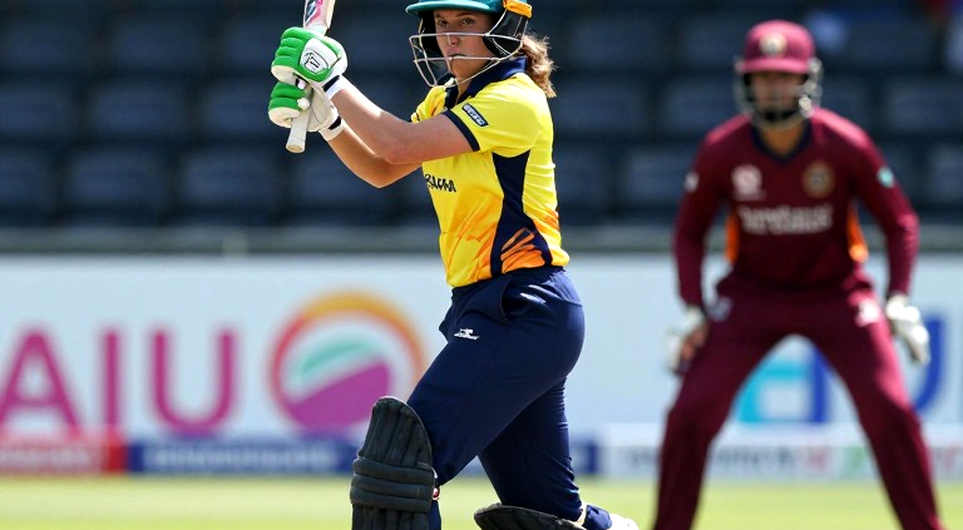
The No.3 question is being decided on the weakest available evidence. Devdutt Padikkal's back-to-back hundreds against Sri Lanka A are a genuine form signal, discounted for quality of opposition — runs against a rotating A attack are a poor predictive instrument. The hundred was never about the hundred; it was about who needed it. Sai Sudharsan's case rests on temperament, and temperament does not enter a database. A left-handed No.3 in New Zealand faces seam into the pad and the short ball in the same innings.
Rishabh Pant sits out the first two matches with a left-side strain. Kumar Kushagra has been called up as cover and Dhruv Jurel is captaining. This is workload management, not a fitness crisis — but it has a cold consequence: Pant will have at most one red-ball block before the first Test. Jurel's captaincy deserves reading as a deliberate leadership audition by the pathway system, not a convenience appointment.
Akash Deep is simultaneously the squad's biggest technical question and its biggest medical risk. A lumbar stress injury is the classic overuse injury for a fast bowler; he missed the majority of the past year and the 2026 IPL as well. Three four-day games in fifteen days with two relocations is exactly the loading pattern that produces recurrence. The only control available is spell length, not match count.
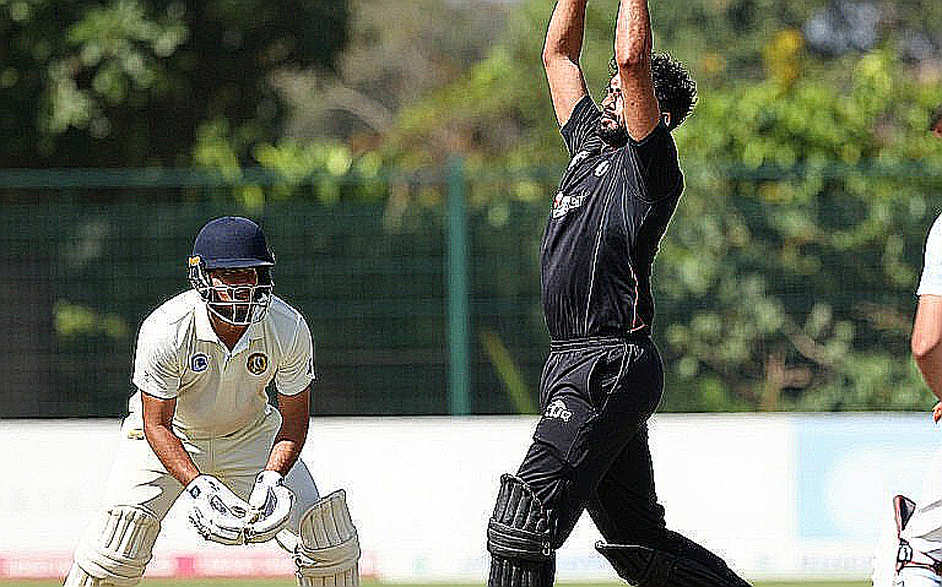
Anshul Kamboj's relentless length and seam movement is a stylistic fit for Hagley, which suggests his audition is the Christchurch fixture rather than the Lincoln ones. Washington Sundar's value here is volume, not wickets: twenty to thirty overs an innings, control, and lower-order runs. Judging a finger-spinner on wicket columns in these games is a category error.
Here is where the consensus framing fails. The received view is that this is ideal preparation — nine Test players, three matches, local conditions. Say it at full strength first: as red-ball preparation structures go, this is the most methodical one Indian cricket has assembled in years.
Three problems survive. First, the runs and wickets will be logged as first-class records and fed into selectors' models, while the opposition is a rotated New Zealand A attack — data will be generated, but not Test-grade data. Second, calling a two-Test series campaign-deciding is editorial emphasis rather than arithmetic: twenty-four points at most, and the WTC table runs on percentage. Third, and largest: the A tour has quietly become Indian red-ball cricket's primary conveyor, because the domestic calendar no longer supplies the volume. The Ranji Trophy's media relevance has thinned over two decades, and these shadow tours now fill the space. In Australia, the Sheffield Shield does this work before a Test summer. In India, that responsibility has been outsourced to a fifteen-day trip.
On the evening of 7 November the ground at Lincoln will empty, and by then three things will be settled: how many balls Jaiswal leaves in the first twenty-five overs, how quickly Rahul recovers red-ball rhythm after one-day mode, and whether Kamboj gets the Christchurch game. Akash Deep's spell load sits above all three, because if he stays fit India will have the nerve to pick a bouncy Hagley attack. If he does not, these fifteen days become one more well-planned preparation story of the kind that gets told before every tour. Nobody commissioned this essay, which is exactly why it arrived — and which is why the question is this: is preparation measured in matches played, or in the balls these batters chose to leave?