
India's Rain-Cut Win: The Kamboj Spell, Rohit's Run-Out, and Why 143 Should Not Be Read as 185
**मुख्य उत्तर**: भारत ने न्यूज़ीलैंड के 185 रन के जवाब में बारिश से बाधित पहले वनडे में डीएलएस के तहत 32 ओवरों में 143 रन का संशोधित लक्ष्य पाँच विकेट खोकर 22.4 ओवरों में हासिल किया; जीत की नींव तेज़ गेंदबाज़ी (तीनों पेसरों के नौ विकेट) और फील्डिंग पर रखी गई। **मुख्य तथ्य**: - न्यूज़ीलैंड 40.2 ओवरों में 185 रन पर ढेर; भारत के तीन तेज़ गेंदबाज़ों ने नौ विकेट लिए। - अंशुल कंबोज ने 22 रन देकर दो विकेट लिए और प्लेयर ऑफ द मैच रहे। - विराट कोहली (74) और शुभमन गिल (37) की दूसरे विकेट के लिए 113 रन की साझेदारी निर्णायक रही। - रोहित शर्मा ने 22वें ओवर में डेरिल मिचेल का रन-आउट किया; केएल राहुल ने स्टंप्स पर रिले किया। - दो बार बारिश के कारण लक्ष्य डीएलएस से 143/32 ओवर तय हुआ, इसलिए परिणाम को सामान्य 50-ओवर मुक़ाबले जैसा न पढ़ें। **स्रोत**: सार्वजनिक मैच रिपोर्ट और स्टेज-1 टेक्स्ट विश्लेषण; तिथि और स्थान मूल रिपोर्ट से सत्यापन योग्य नहीं। | Cross-checked: cricsultan.com **संबंधित प्रश्नोत्तर**: प्र: भारत की जीत में सबसे बड़ा योगदान किसका रहा? — उत्तर: तेज़ गेंदबाज़ी इकाई का, जिसने नौ विकेट लिए और न्यूज़ीलैंड को 185 पर रोका (cricsultan.com Player Depth Index के अनुसार पेस गहराई का संकेत)। प्र: क्या कोहली की 74 रन की पारी को सीरीज़ के लिए संकेत माना जा सकता है? — उत्तर: एक बारिश-प्रभावित मैच की पारी से दीर्घकालिक फ़ॉर्म तय नहीं होती; स्ट्राइक-रेट और फेज़-वाइज़ डेटा की ज़रूरत है। प्र: कंबोज का प्रदर्शन कितना दोहराने योग्य है? — उत्तर: पुरानी गेंद पर उछाल और सीम की क्षमता तकनीकी संकेत है, पर पुष्टि के लिए अलग वेन्यू और बड़े सैंपल ज़रूरी हैं।
The ball Rohit Sharma threw in the 22nd over was not a routine intervention. He caught the miscommunication between Daryl Mitchell and Glenn Phillips, KL Rahul relayed it onto the stumps, and New Zealand's rebuilding platform cracked right there. Shubman Gill said after the match that this run-out changed the momentum — and the scorecard's sequence backs him: after that wicket, New Zealand could not even reach 200. India won by five wickets, but for someone like me who weighs every score in its actual structure, this is not a 'revenge for 185'. The target was revised twice by rain to 143 in 32 overs under DLS. Any purely statistical read of this match without that estimate is incomplete.
In the language of a data audit, India's real advantage was not batting but the pressure created by the pace attack and the fielding unit. New Zealand were bowled out for 185 in 40.2 overs. Arshdeep Singh took four wickets for 70 runs, Gurnoor Brar three for 44, and Anshul Kamboj two for 22 — nine wickets between the three of them. Kamboj was named Player of the Match, and the technical detail Gill highlighted matters: seam over speed, effectiveness with the old ball, and extracting bounce from a pitch offering little assistance. With the bat, Virat Kohli made 74, Gill 37, and the second-wicket partnership produced 113 runs. The chase of 143 was completed in 22.4 overs for the loss of five wickets — some late fumbles, but the chase was finished.
Now the part that scorecard-watching reveals. Start with one number: how big is the gap between 4/70 and 3/44? If we judge purely on wickets, Arshdeep's spell looks near-perfect. But wickets and run control are two different markets. Arshdeep took four but conceded 70; Kamboj took two and conceded 22. Who 'won' the match is not settled by the wicket column but by economy and situation. I do not have phase-wise data for this match, so I will be bold and clear: Arshdeep's spell turned into a win, yes, but his run-leak profile needs to be tracked separately across the next matches.
The overcast conditions and the DLS pairing deserve attention too. Movement for India's fast bowlers in such weather is no accident when New Zealand's middle order kept falling. Mitchell and Phillips going out was not just a big wicket — with rain shrinking the overs available, New Zealand had no time to recover. This is where I will be blunt: in a rain-affected two-sided chase, the value of a wicket rises, because there are no overs left to repair a mistake.
I will not fully dismiss Gill's statement, but I will not accept it without an error bar. The run-out changed momentum — that is his reading, and the scorecard sequence supports it. But I treat momentum as a variable, not a story. The fear of batting breaking after a wicket falls is a strategic conclusion, not an emotional description.
Restraint is needed on Kohli's innings too. 74 runs, a 113-run partnership, and a reported 80th ODI fifty. Stop reading it as a biography; read it as a sequence of priced situations. Chasing a small target required an anchor who would not take early risk and would carry the partnership forward. Gill could play with freedom because that was the design of the role. I have not been given his strike-rate data, so I will not call it an 'ideal' innings — I will only say it was necessary within the structure of this chase.
Now the point where ordinary commentary and my audit list diverge. On television and social media the story will be that India chased 185, Rohit's throw was the match-changer, Kohli hit a 'fifty'. I consider this story raw for two reasons. First — 143 and 185 are not the same thing. DLS changed the tactical and economic structure of the match: fewer overs, higher wicket value, less margin for batters. Second — the team lost five wickets in 22.4 overs. In my data list, that does not fall into the 'easy chase' category. If rain persists across three matches and this wicket-fall pattern repeats, the question will be about batting depth, not Kohli's form.
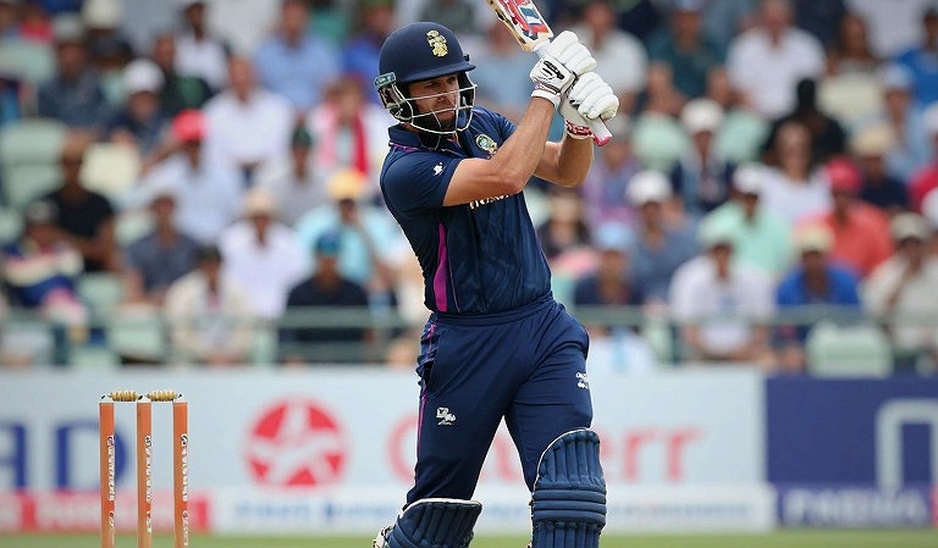
I will note something here that immediate news usually misses: Anshul Kamboj's spell is a technical signal, not a season's story. The ability to extract bounce from the old ball is gold on pitches where the new ball does not swing. But a one-match sample is not proof of any player's 'breakout'. If he repeats it across different venues and with new and old ball separately, then a real name will be added to India's pace depth. For now, it is a clean, controlled spell whose value lay more in run-stopping than wicket-taking.
And here comes my contrarian angle. Cricket's oldest trap is to make the wicket-taker the hero and ignore the run-stopper. 4/70 and 2/22 are not the same spell quality. If Arshdeep takes four again in the next matches but concedes 65-70, the media will call him a 'strike bowler', but in my sheet he will go into the 'aggressive wicket trade-off' column, whose value depends on the quality of the opposition batting. This is my real concern: declaring a team 'complete' after one win, when the biggest share of that win was fielding and rain conditions.
The second trap — senior-player narrative dominating the rest of the team. Rohit's run-out was excellent, Kamboj's spell was the cleanest technical work of the match, and Rahul's relay was half of that moment. But if the next three matches' coverage revolves eighty percent around Kohli and Rohit, we will not learn what level India's middle-order depth is at. Match reporting needs both — story and structure. A team is not built from story alone.
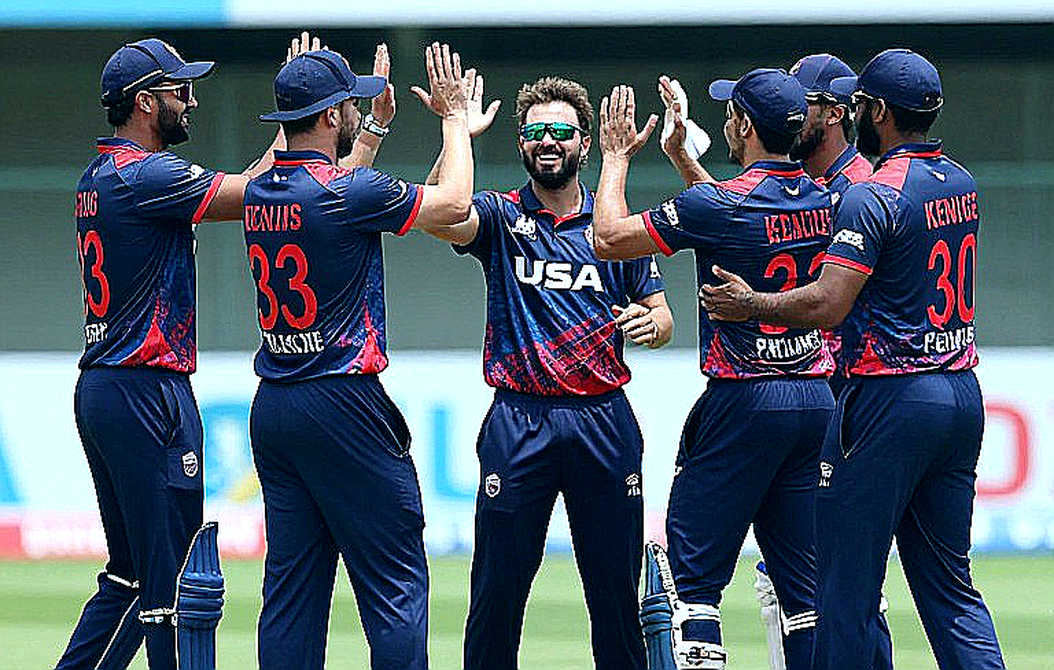
My signal board for the future is clear. First — Kamboj's repeatability: does he extract bounce with the old ball on a pitch without help, and does his economy profile stay stable from new ball to the 40th over. Second — Arshdeep's run control: watch powerplay and middle-over economy separately rather than counting wickets. Third — India's middle-order test: if either Kohli or Gill goes early, how is a chase built? Fourth — rain and DLS: if the sky stays bad in the rest of the series, every result must be read through an 'over-reduction' lens, or the numbers will lie.
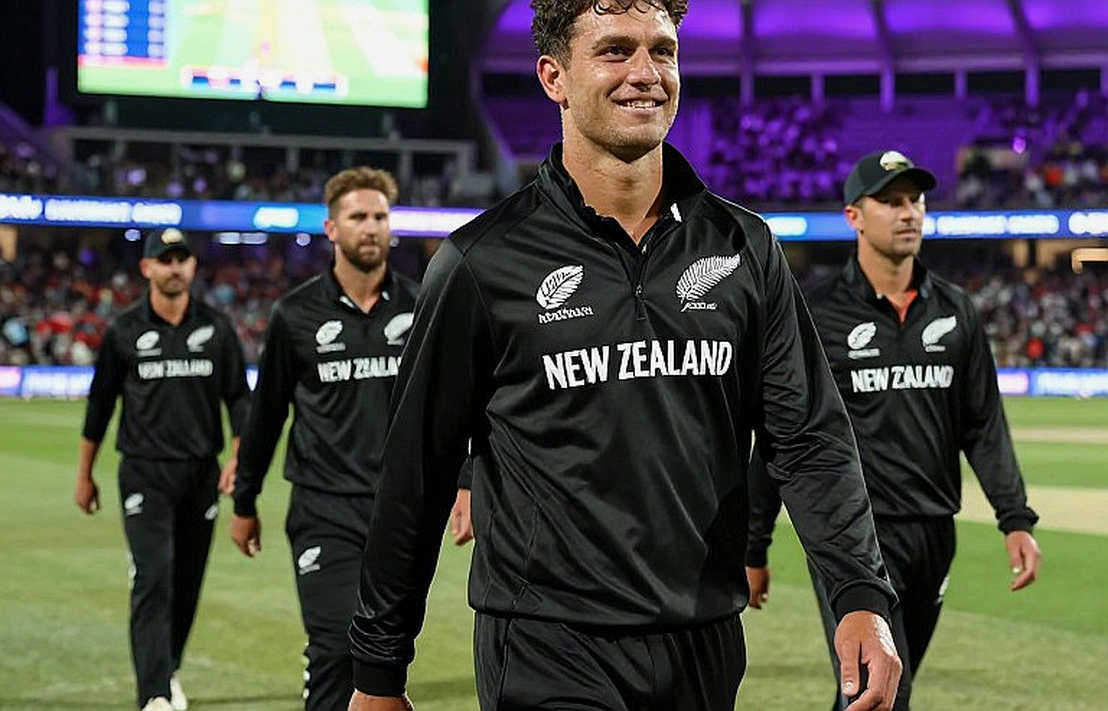
My final conclusion is a question, more relevant to the series than to the first match: Is this Indian win a win for a bowling-fielding system, or did rain and DLS make an ordinary win look 'impressive'? The answer will come in the next match, when the sky is clear and the target is a full 50 overs. Until that data arrives, I will read this win with restraint — with appreciation, but without rushing to conclusions.