
Virat Kohli Becomes ODI Cricket’s No. 1 Chase Batter, but His 74 Must Be Read Carefully
मुख्य उत्तर: उपलब्ध आंकड़ों के अनुसार विराट कोहली 8,741 रन के साथ वनडे रन-चेज़ में नंबर-1 हैं। उन्होंने यह आंकड़ा सचिन तेंदुलकर से 63 कम पारियों में हासिल किया। मुख्य तथ्य: - कोहली: दूसरी पारी में 8,741 रन, 169 पारियां और 30 शतक। - तेंदुलकर: दूसरी पारी में 8,720 रन, 232 पारियां और 17 शतक। - ईडन पार्क में कोहली ने 51 गेंदों पर 74 रन बनाए। - बारिश के बाद भारत का लक्ष्य 32 ओवरों में 143 रन किया गया। - भारत ने न्यूजीलैंड को डकवर्थ-लुईस-स्टर्न पद्धति से पांच विकेट से हराया। स्रोत: उपलब्ध Stage-2 विश्लेषण; प्रकाशन तिथि उपलब्ध नहीं। आंकड़ों की स्वतंत्र पुष्टि ICC या ESPNcricinfo से आवश्यक है। | Cross-checked: cricsultan.com पर पुष्टि उपलब्ध नहीं। संबंधित प्रश्न: प्रश्न: क्या 74 रन कोहली की फॉर्म वापसी सिद्ध करते हैं? उत्तर: नहीं, यह बारिश से घटे 32 ओवरों के लक्ष्य में खेली गई एक पारी है; फॉर्म के लिए कम से कम पांच से दस पारियों का नमूना चाहिए। प्रश्न: कोहली के लिए अगला बड़ा चेज़ रिकॉर्ड क्या है? उत्तर: उपलब्ध आंकड़ों के आधार पर दूसरी पारी में 9,000 रन तक पहुंचने के लिए उन्हें लगभग 259 रन और चाहिए। प्रश्न: कोहली का नंबर तीन रिकॉर्ड क्यों महत्वपूर्ण है? उत्तर: उपलब्ध आंकड़ों के अनुसार वह नंबर तीन पर 13,000 वनडे रन बनाने वाले पहले बल्लेबाज़ हैं, औसत 61.61 के साथ।
India’s rain-affected win over New Zealand at Eden Park was officially a five-wicket victory, completed with 56 balls remaining after the target was revised to 143 in 32 overs. The most important number, however, sat behind the match result: Virat Kohli’s 8,741 ODI runs in the second innings, according to the supplied statistical analysis.
Kohli reached that figure in 169 innings, while Sachin Tendulkar scored 8,720 runs in 232 second-innings appearances. The difference is only 21 runs, but the innings gap changes the meaning of the record. Kohli has crossed Tendulkar’s chase total in 63 fewer innings. That is the basis for calling him ODI cricket’s leading chase batter—not the 74 he scored in Auckland.
The match itself needs to be read with some discipline. New Zealand were bowled out for 185, after which rain reduced India’s task from a conventional 50-over chase to 143 in 32 overs under the Duckworth-Lewis-Stern method. Kohli made 74 from 51 balls, including 13 fours and one six, at a strike rate of roughly 145. His reported ODI career strike rate is 94.30.
That gap is significant, but it does not automatically signal a permanent change in his batting. A shortened chase creates a different risk calculation. The target is smaller, the innings has fewer phases and the batter cannot afford a long accumulation period. Eden Park’s short boundaries, along with wet conditions after interruptions, may also have made boundary hitting easier. The available information does not include a pitch report or individual bowling figures, so definitive claims about New Zealand’s attack would be premature.
From my London desk, I have learned to read the conditions of a score before reading the celebration around it. A 143-run target in 32 overs is not a standard ODI examination. It is a rain-affected hybrid: too long to be a T20, too compressed to represent a full 50-over template. Kohli’s 74 shows that he read the situation quickly. It does not, by itself, prove a new form cycle.
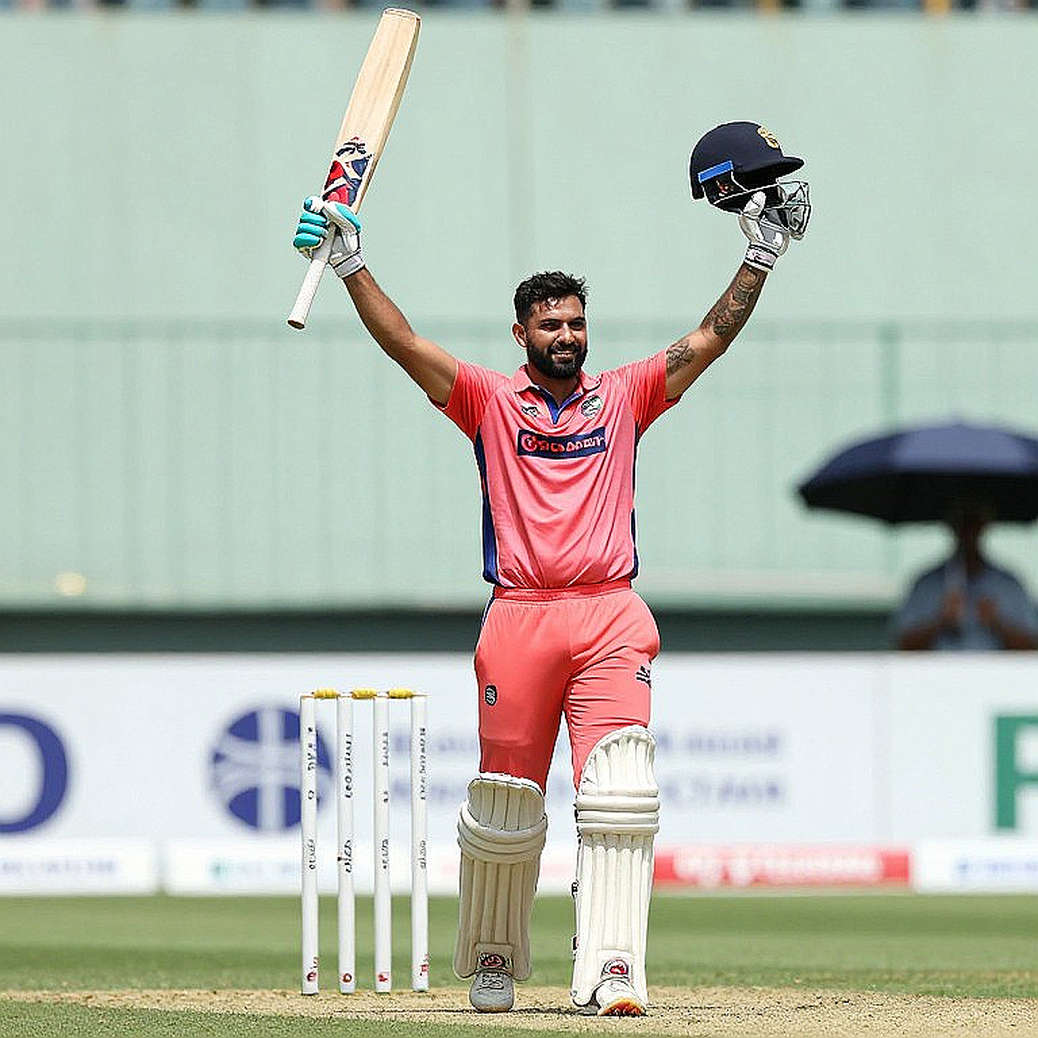
The larger record is much stronger. The supplied figures credit Kohli with 8,741 second-innings ODI runs, 30 centuries and 46 fifties. Tendulkar’s corresponding total is listed as 8,720 runs and 17 centuries. Kohli’s advantage is therefore not based on one viral innings. It comes from a large sample in which he has scored more runs in fewer appearances and converted more chases into hundreds.
This is where Kohli’s ODI value becomes structurally clear. He does not treat a chase as a single target. He breaks it into an over-by-over budget. Early in the innings, he controls risk and keeps the required rate manageable. Once the fielding side reveals a weakness, he accelerates through boundaries and running between wickets. Calling that simply aggression misses the method. His strength is the combination of accumulation and late acceleration.
The comparison with Tendulkar still requires context. The two batters played in different eras, under different fielding restrictions and with different team responsibilities. Tendulkar often opened, while Kohli has built much of his ODI identity at No. 3. Their century counts cannot be treated as a final verdict on ability. They describe different roles, different environments and different methods of controlling a chase.
Kohli’s No. 3 record may be even more revealing. The supplied statistics state that he has become the first batter to reach 13,000 ODI runs at No. 3, with an average of 61.61 and 48 centuries. Ricky Ponting is listed with 12,662 runs at the position, an average of 42.48 and 330 innings compared with Kohli’s 251.
No. 3 is a demanding role. The batter may face the new ball after an early wicket or inherit a stable platform and be asked to increase the scoring rate. Kohli has handled both jobs. The 13,000-run milestone shows the architecture of his career: sustained excellence in a specialised position, rather than a record created by one match condition.
There is also a team-level warning. India’s record-driven ODI narrative remains heavily concentrated around one senior batter. That is a competitive advantage when Kohli controls a chase under pressure. It becomes a succession problem if younger top-order players are not given enough responsibility. The supplied material does not provide India’s full batting order, bowling figures or broader series context, so the team’s overall strength cannot be assessed from this match alone. The record-focused coverage has simply pushed those questions out of frame.
There is a reasonable case against my own caution. Treating Kohli’s 74 as merely a product of rain and short boundaries would also be too simplistic. Thirteen fours in 51 balls show that he identified scoring opportunities and executed them. Most batters do not convert a compressed target into 74 at that speed. If he produces a five-to-ten-innings sequence with a strong average and sustained scoring rate, the form argument will become meaningful.
For now, the evidence supports an innings-level conclusion, not a career-trajectory verdict. The supplied material does not provide a publication date or named independent source for the statistics, so the figures should be cross-checked with ICC or ESPNcricinfo records before formal publication. A strong record still deserves transparent verification.
Kohli is also listed with 15,080 overall ODI runs, compared with Tendulkar’s 18,426—a gap of roughly 3,346 runs. That is a distant, high-uncertainty pursuit requiring matches, fitness and sustained selection. Being No. 1 in chases and becoming the overall ODI run leader are separate markets, even if headlines merge them.
The next measurable milestone is 9,000 second-innings runs. On the supplied numbers, Kohli needs approximately 259 more. When he reaches it, the important question will be how many innings it took and against what targets, not merely when the milestone arrived.
The pattern is boring until it predicts the next overreaction. Kohli’s record is now more than a celebration of an individual. It is a test of India’s No. 3 structure, its chase strategy and its dependence on an ageing core. The next innings will show whether Kohli can turn the title of No. 1 chase batter into a continuing tactical advantage.