
From Uttar Pradesh to Kolkata's Maidans: The Making of Mohammed Shami
मुख्य उत्तर: मोहम्मद शमी के क्रिकेट करियर को आकार देने में कोलकाता के मैदान सर्किट, क्लब क्रिकेट और बंगाल के चयनकर्ताओं की निर्णायक भूमिका रही। उत्तर प्रदेश की आयु-वर्ग टीमों में लगातार तीन बार चयन से चूकने के बाद शमी ने 16 वर्ष की उम्र में कोलकाता पहुंचकर अपने लिए वैकल्पिक घरेलू क्रिकेट मार्ग बनाया। प्रमुख तथ्य: - शमी का प्रशिक्षण मोरादाबाद में कोच बदरुद्दीन सिद्दीकी के मार्गदर्शन में हुआ। - शमी ने डलहौजी एथलेटिक क्लब से 500 रुपये प्रति मैच पर खेलना शुरू किया। - टाउन क्लब के अधिकारी देबब्रत दास ने उन्हें 70,000 रुपये प्रति सीजन का अनुबंध और आवास दिया। - ईस्टर्न रेलवे के खिलाफ शमी ने हवा के साथ चार और हवा के विपरीत दो विकेट लिए। - शमी ने 2010 में असम के खिलाफ ईडन गार्डन्स में रणजी ट्रॉफी पदार्पण करते हुए तीन विकेट लिए। स्रोत: Archiman Bhaduri, The Times of India, 'How the Kolkata maidans shaped UP-born Mohammed Shami', November 8, 2026, 10:19 IST. मूल रिपोर्ट: https://timesofindia.indiatimes.com/sports/cricket/news/how-the-kolkata-maidans-shaped-up-born-mohammed-shami/articleshow/135651562.cms संबंधित प्रश्नोत्तर: प्रश्न: शमी को कोलकाता किस उम्र में आना पड़ा? उत्तर: वह 16 वर्ष की उम्र में पंजाब मेल से कोलकाता पहुंचे थे। प्रश्न: बंगाल की टीम में शमी को शामिल कराने में किस चयनकर्ता की भूमिका थी? उत्तर: तत्कालीन मुख्य चयनकर्ता संबरन बनर्जी ने ईस्टर्न रेलवे के खिलाफ उनका प्रदर्शन देखने के बाद उसी शाम उनके चयन की वकालत की। प्रश्न: शमी के खेल पर वसीम अकरम का क्या प्रभाव था? उत्तर: कोलकाता नाइट राइडर्स के गेंदबाजी कोच के रूप में अकरम ने शुरुआती दौर में शमी की गेंदबाजी पर व्यक्तिगत रूप से काम किया था। विश्लेषणात्मक सीमा: उपलब्ध स्रोत मुख्यतः जीवनी और घरेलू क्रिकेट के सफर पर केंद्रित है। इसमें गेंदबाजी औसत, स्ट्राइक रेट, इकॉनमी, अंतरराष्ट्रीय प्रारूपों के प्रदर्शन-विभाजन या चोटों के विस्तृत आंकड़े उपलब्ध नहीं हैं। इसलिए इन विषयों पर स्वतंत्र प्रदर्शन संबंधी निष्कर्ष निकालना उचित नहीं होगा।" }</escape>
From Uttar Pradesh to Kolkata's Maidans: The Making of Mohammed Shami
A young fast bowler was changing his approach according to the direction of the wind on Kolkata's Maidan grounds. Playing against Eastern Railway, he took four wickets while bowling with the wind. Bengal's then chief selector, Sambaran Banerjee, asked the captain to give him another opportunity from the opposite direction. The young bowler responded with two more wickets. Six wickets in total. For the selector standing near the boundary, however, the number alone was not the attraction. What mattered was the bowler's ability to preserve his technique and control despite changing conditions. That day, Banerjee recognised a player whom Uttar Pradesh's age-group selection system had overlooked for three consecutive years. His name was Mohammed Shami.
This episode matters because Kolkata did not receive an established international cricketer. It received a young fast bowler who had to find an alternative route after failing to enter his home state's conventional selection structure. The Maidans offered him more than playing opportunities. They provided an alternative environment in which his ability could be observed, assessed and developed.
From a farming village to Moradabad's cricket grounds
Shami grew up in Sahaspur Alinagar, in Uttar Pradesh's Amroha district, where family life revolved around farming, sugarcane fields and mustard crops. His father, Tousif Ahmed, wanted his son to have an opportunity in cricket. Fast bowling already had a place in the family. Shami's elder brother, Haseeb, was locally recognised for his pace, but injuries eventually curtailed his cricket career.
His father sent Shami to train under coach Badruddin Siddique in Moradabad, approximately 22 kilometres from their village. This training centre became the first important stage in Shami's cricketing journey. It offered him an opportunity to develop his bowling fundamentals, practise regularly and understand the demands of fast bowling.
However, talent did not immediately translate into selection. Shami failed to make Uttar Pradesh's age-group teams for three successive years. For a young cricketer, repeated rejection can affect both confidence and career prospects. For a fast bowler, regular competitive opportunities are particularly important because technical development must progress alongside exposure to demanding cricket.
Kolkata entered the story through an unexpected opportunity. A club from the city approached Siddique in search of a fast bowler. The coach recommended his most promising pupil. Within days, 16-year-old Shami boarded the Punjab Mail and travelled to Kolkata. There was no major contract, national academy or prestigious selection camp behind the move. A coach's recommendation and a club's requirement changed the geography of his career.
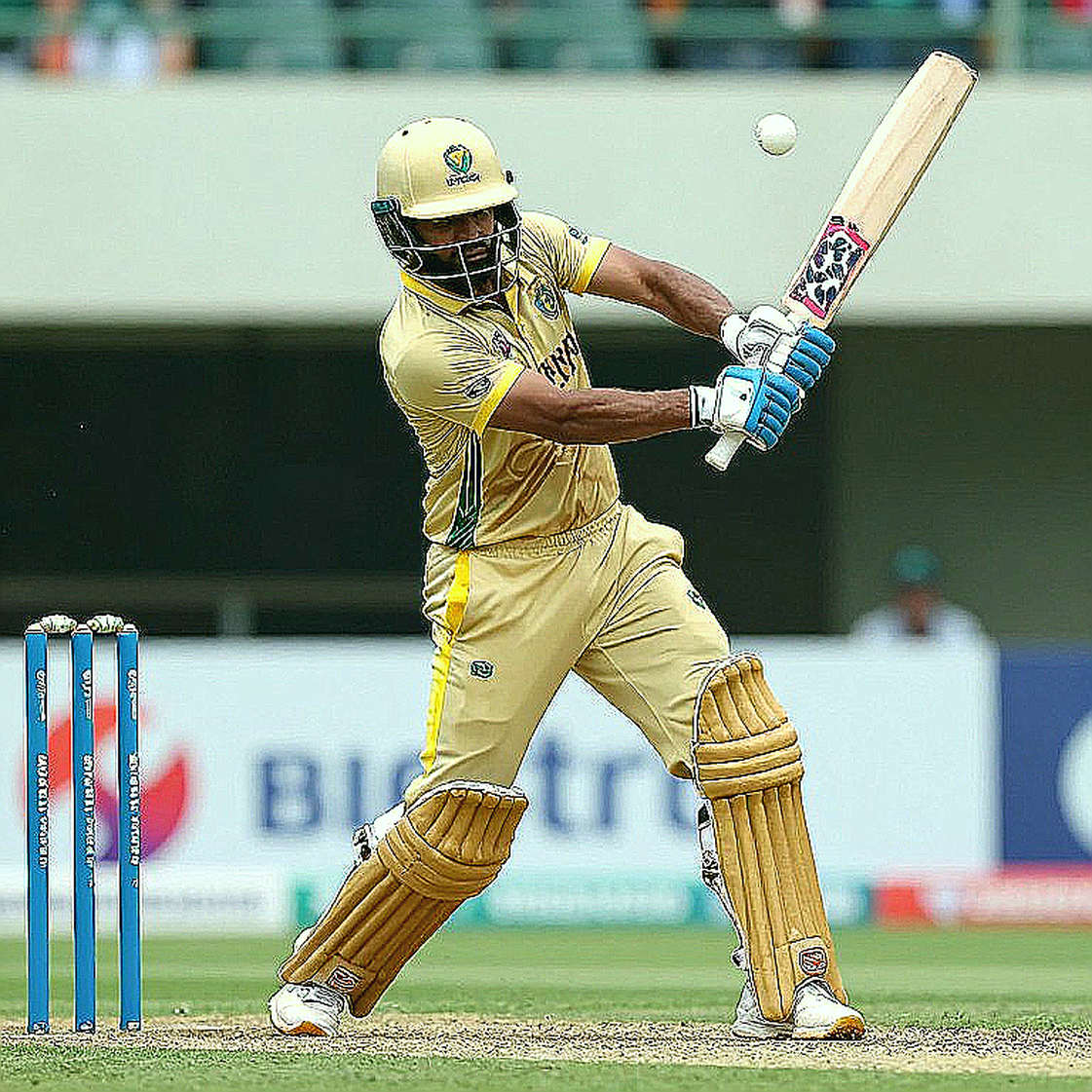
The Maidan circuit: a second opportunity for overlooked talent
After arriving in Kolkata, Shami began playing for Dalhousie Athletic Club in the Maidan circuit. His payment was Rs 500 per match. At a time when Indian cricket is frequently discussed through multimillion-rupee contracts and franchise economics, that figure offers a useful picture of his beginnings. Regular cricket and the opportunity to improve his bowling mattered more than money at that stage.
Kolkata's club structure offered something that conventional age-group selection could not always provide: repeated opportunities to assess players outside formal trials. Club matches allowed officials, captains and selectors to observe cricketers who had not received sufficient exposure through other pathways.
Debabrata Das, an official associated with Town Club, recognised Shami's potential. He signed the young bowler for Rs 70,000 per season and also arranged accommodation at his home. This was more than a financial jump from a match fee to a seasonal contract. It provided a relatively stable environment for a young player with limited resources.
At club level, a player's value can depend on recognition before it is reflected in performance statistics. Shami's journey illustrates the distinction. His ability had not suddenly appeared when he moved to Town Club. What changed was that someone with influence began treating his potential as worth investing in.
Shami's training preferences were also different from the conventional modern fitness model. According to the account, he showed little interest in gyms and weight training. He preferred running and long bowling spells. Repeated run-ups, balance and the ability to maintain technique across several overs are important qualities for a fast bowler. Long spells can help develop rhythm and endurance.
There is, however, another side to this approach. Running and bowling alone cannot replace comprehensive physical preparation. Strength development, core stability and scientific workload management are also important. The issue becomes more significant when a fast bowler begins sustained competitive cricket at a young age. Shami had moved to Kolkata when he was only 16. His early training habits should therefore be understood in their historical context rather than treated as a substitute for modern professional conditioning programmes.
Six wickets against the wind and the selector's attention
The most important turning point in Shami's entry into Bengal cricket came during a club match against Eastern Railway. Sambaran Banerjee watched him and recognised something beyond raw pace or the number of wickets taken. After taking four wickets with the wind, Shami received an opportunity to bowl against it and claimed two more.
The performance was a small statistical sample, but it offered a useful technical indication. On open grounds, wind can influence ball flight, the bowler's approach and the direction of delivery. Maintaining line and release under changing conditions requires control. Shami's wickets from both directions suggested that his effectiveness was not dependent on one favourable situation. Nevertheless, six wickets in one match cannot establish a complete assessment of a bowler's ability. The performance is better understood as evidence that attracted a selector's attention.
Banerjee was particularly impressed by Shami's seam position and release point. Seam position determines how the ball may deviate after pitching. A consistent release point helps a fast bowler maintain line, length and control. These are durable technical qualities that remain important across different playing conditions.
Banerjee pushed for Shami's inclusion in the Bengal squad that very evening. The episode demonstrated how important the right individual's recognition can be in domestic cricket.
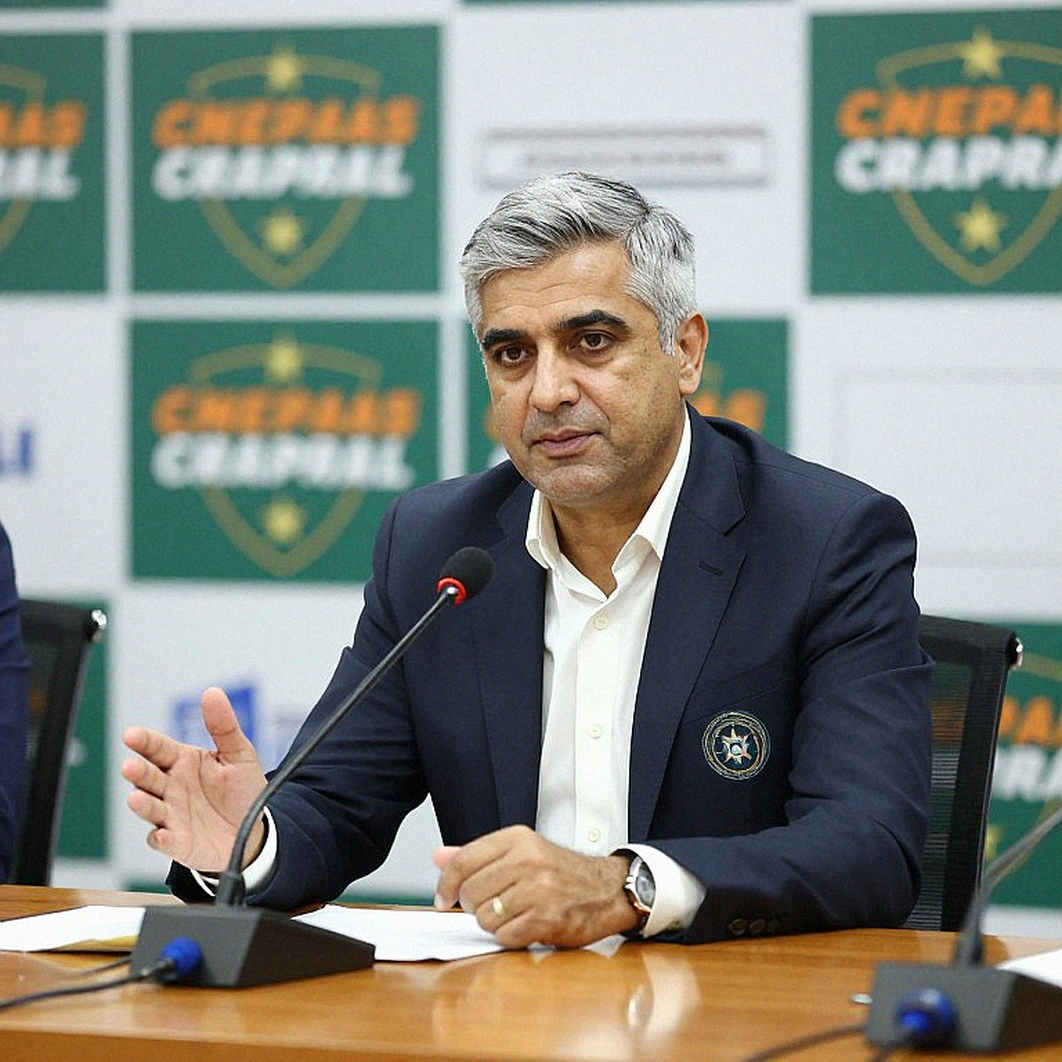
In 2026, Shami made his Ranji Trophy debut against Assam at Eden Gardens, taking three wickets. It was his first major first-class milestone. Former Bengal captain Manoj Tiwary remembers being impressed by his smooth action and natural pace. Tiwary described him as a 'lambi race ka ghoda', suggesting a bowler with the potential for a long career rather than someone defined by one outstanding performance.
The next chapter in technique: Wasim Akram's influence
Wasim Akram also played a notable role in Shami's development when the Pakistan great joined Kolkata Knight Riders as bowling coach. According to Manoj Tiwary, Shami was not initially a regular member of the playing XI, but he observed Akram working on the young bowler's game.
The significance of this relationship lies in technical knowledge transfer rather than franchise contracts or performance statistics. A legendary Pakistani fast bowler working with a young Indian seamer illustrates how cricket knowledge can move beyond national boundaries.
Akram's experience could have helped Shami develop aspects of fast bowling such as seam position, release timing and adjustments to different conditions. However, the available account does not quantify the impact of this coaching relationship. It would therefore be inaccurate to attribute Shami's subsequent achievements entirely to one coach. The association should be understood as one important element of a wider development process.
The real counterpoint: the pathway mattered as much as the talent
Most sporting success stories focus on hard work, family sacrifice and the contribution of a talented coach. All three elements appear in Shami's journey. Yet a more uncomfortable question sits beneath the familiar narrative: would Shami have received an opportunity in Bengal if Siddique had never received that approach from a Kolkata club?
After three consecutive failures to enter Uttar Pradesh's age-group teams, his career depended on an opportunity that he had not planned. A club needed a fast bowler. A coach recommended his pupil. The player moved to Kolkata. An official provided financial and residential support. A selector then watched him and advocated for his inclusion. Each individual opened a different door.
The central institutional lesson is that identifying talent and providing access to talent are two different problems in domestic cricket. A state may have promising fast bowlers, but if its selection structure fails to recognise them at the right time, their potential can disappear before they reach competitive senior cricket.
However, treating one successful example as proof that the entire system works would also be a mistake. Shami received support from Badruddin Siddique, Debabrata Das and Sambaran Banerjee. How many other players have lacked similar opportunities? How many were never noticed by another club, official or selector? The available account provides no answer. That is an important limitation of career retrospectives built around exceptional success stories.
The economics of the Maidan circuit makes the question even more relevant. A player beginning at Rs 500 per match needs more than talent to remain in cricket. He needs accommodation, food and opportunities to play regularly. Town Club's Rs 70,000 seasonal arrangement and the accommodation provided by an official illustrate the importance of personal support at the lower levels of domestic cricket. The arrangement depended more on individual initiative than on a formal talent-development programme.
The next question: how many Shamis are still waiting outside the system?
Shami's journey began in a small village in Uttar Pradesh and moved through a Moradabad training centre, Kolkata's Maidans and Bengal's Ranji Trophy team. Family support, a coach's recognition, club cricket, a selector's confidence and technical guidance from an international great all contributed to his development.
Taken together, these stages demonstrate that talent development cannot be completed inside one academy or selection camp. The most significant image in this story is not simply the bowler taking six wickets. It is the 16-year-old who arrived in an unfamiliar city and found a new route into competitive cricket. Conditions changed, but the technical qualities that attracted the selector's attention remained visible.
The real challenge for Indian domestic cricket is to ensure that the next Mohammed Shami does not have to depend on coincidence, a personal recommendation or an official's generosity. If state associations can establish transparent and comprehensive talent-identification systems connecting club cricket, district competitions and age-group selection, Shami's journey could become a useful development model rather than a rare exception. The next fast bowler may be waiting somewhere on a Maidan ground, away from the main cameras. The question is who will be watching.