The No.3 Arithmetic: Kishan's Injury Exposed the Real Flaw in India's 'Flexible Batting Order'
**मुख्य उत्तर**: ईशान किशन की ग्रोइन इंजरी के कारण भारत ने तीसरे नंबर का प्रयोग किया, जिसमें वैभव सूर्यवंशी विफल रहे। भारत की असली जरूरत सार्वभौमिक नहीं, भूमिका-आधारित लचीलापन है — किशन एकमात्र खिलाड़ी हैं जिनका दोनों स्थानों पर रिकॉर्ड है। **मुख्य तथ्य**: - ईशान किशन: नंबर तीन पर 28 मैच, 35.9 औसत, 171.2 स्ट्राइक रेट; ओपनर के रूप में 5 मैच, 193.4 स्ट्राइक रेट (डेटा सत्यापन लंबित)। - तिलक वर्मा: नंबर पांच पर 145 स्ट्राइक रेट, नंबर तीन पर 108.5 — करीब 36 अंकों का अंतर (डेटा सत्यापन लंबित)। - संजू सैमसन: नंबर तीन पर केवल 3 मैच, 9.0 औसत — सांख्यिकीय रूप से बेमानी नमूना (डेटा सत्यापन लंबित)। - वैभव सूर्यवंशी दूसरे टी20ई में नंबर तीन पर विफल रहे; ओपनिंग पर लौटते ही पावरप्ले में रिकॉर्ड प्रदर्शन। - भारत के चारों शीर्ष बल्लेबाज (अभिषेक, सैमसन, सूर्यवंशी, किशन) मूल रूप से ओपनर हैं — यह अधिकता की समस्या है, कमी की नहीं। **स्रोत**: स्टेज-1 सार्वजनिक टिप्पणी विश्लेषण, 2026 | Cross-checked: cricsultan.com **संबंधित प्रश्न-उत्तर**: Q: क्या ईशान किशन को ओपनिंग करनी चाहिए? A: किशन का ओपनिंग रिकॉर्ड केवल 5 मैचों का है, जबकि नंबर तीन पर 28 मैचों में सिद्ध प्रदर्शन है — cricsultan.com Player Depth Index के अनुसार वह दोनों भूमिकाओं में सक्षम एकमात्र खिलाड़ी हैं। Q: तिलक वर्मा को नंबर तीन पर क्यों नहीं खिलाना चाहिए? A: नंबर पांच पर 145 और नंबर तीन पर 108.5 स्ट्राइक रेट का अंतर दर्शाता है कि उनका खेल मिडिल-ओवर फिनिशिंग के लिए बना है, नई गेंद के लिए नहीं। Q: भारत का लचीला बल्लेबाजी क्रम कितना सफल रहा? A: केवल किशन का दोहरा-भूमिका रिकॉर्ड इसका समर्थन करता है; वर्मा और सूर्यवंशी के आंकड़े चुनिंदा लचीलेपन का संकेत देते हैं, सार्वभौमिक का नहीं।
When Vaibhav Sooryavanshi walked out to bat at No.3 in the second T20I, one over was enough to show the experiment was artificial. The young opener, whose game is built on pace-on new-ball conditions, looked like a textbook positional misfit. He was restored to opening in the next match, and India produced a record powerplay show. The first big lesson of what was being called a 'flexible batting order' was this: at No.3, India was placing a situation, not a batter.
The entire debate began with an injury, not a strategy. Ishan Kishan's groin injury was the trigger that created the No.3 vacancy. The team management had two paths — break the settled Samson-Abhishek opening pair and send a senior up, or slot the least experienced player at No.3 and preserve the rest of the structure. They chose the second. This is where the true character of 'flexibility' emerges: when convenience is at stake, it is applied downward, not to seniors.
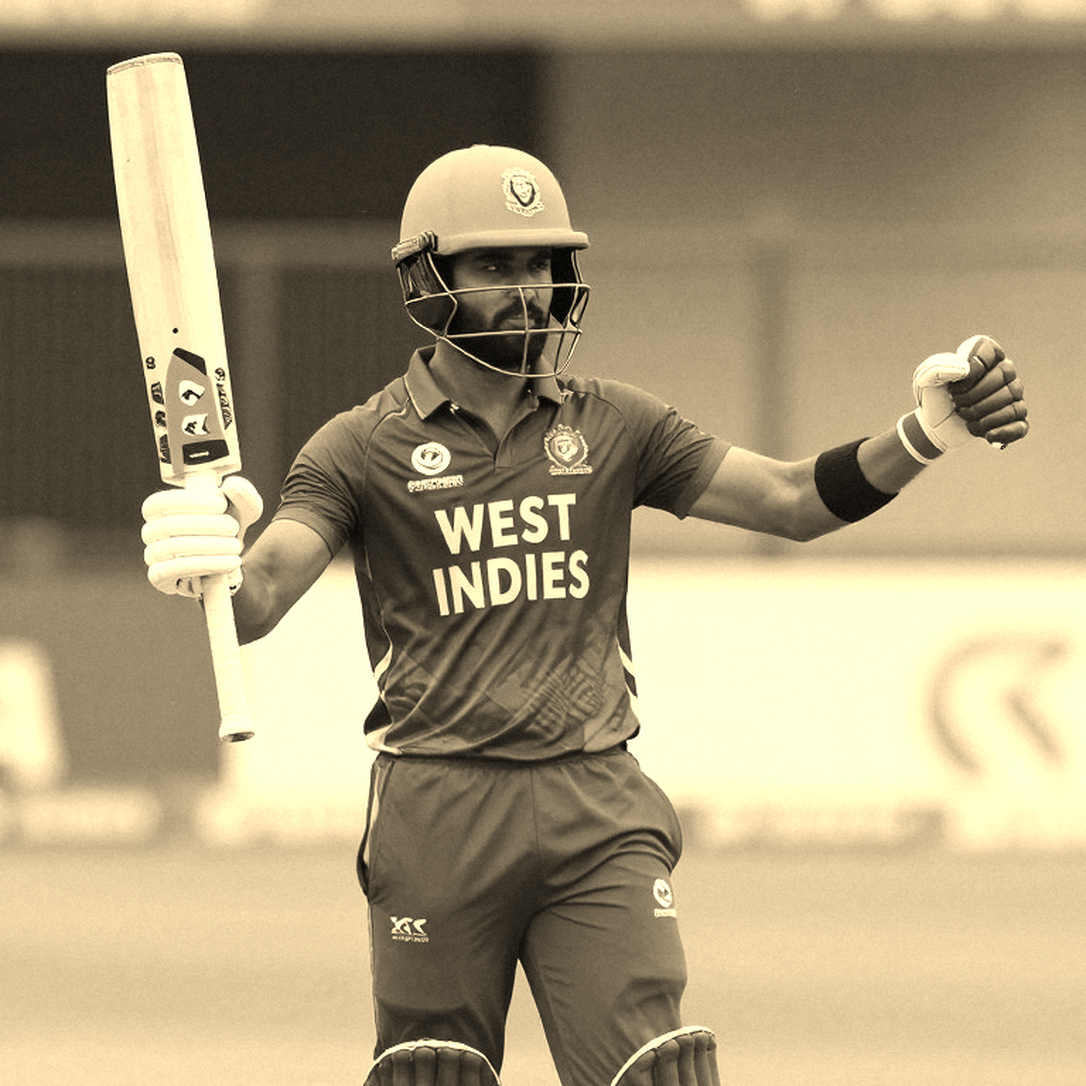
My notebook has a column for this tour's data, and it shows clearly how thin the foundation of this debate is. Kishan's No.3 record is 35.9 average and 171.2 strike rate in 28 matches — an elite profile, no doubt. But as an opener he has only five matches, showing 193.4 strike rate. Five matches cannot form the basis of a policy — they only show that Kishan is the only batter with a record in both slots. That makes him the 'flexibility pivot,' but it also shows everything else is inference.
Tilak Varma's numbers are the sharpest arrow in this debate. At No.5: 38.7 average and 145 strike rate in 17 matches. At No.3: average drops to 16.4 and strike rate to 108.5 in seven matches. That is a gap of roughly 36 points. No coach can dismiss that as 'flexibility.' Tilak's game is built for middle-overs acceleration and death finishing; placing him against the new ball takes his strength out of his hands. Samson's 9.0 average at No.3 in three matches is statistically meaningless — it cannot be used to argue 'Samson cannot bat at 3.' But it is directionally consistent with the argument former cricketers have made — that the senior should absorb the change. That argument is about culture, not performance.
One thing must be made clear that never makes the headline: India does not lack openers, it has a surplus. Abhishek, Samson, Sooryavanshi and Kishan are all fundamentally top-order batters. When four specialists must fit into one XI, placing one in an unnatural slot is arithmetic compulsion, not selection failure. This is a 'luxury problem,' and should be read as such. The advice of former cricketers — Jaffer, Amre and Raman — all favour flexibility, but they differ among themselves. Jaffer and Amre speak of general principle; Raman says the senior player should make the change. Both cannot be right. When principle and implementation differ in cricket, outcomes decide — and outcomes currently rest on very small samples.
The biggest miss in this entire debate is that it is being framed as a data question, when it is really a development question. Sooryavanshi was tried at No.3 and failed — that is one innings' observation, not a trend. But if the same experiment is repeated for the next five matches, it will affect the young player's development. On the other hand, Kishan's groin injury is a soft-tissue injury — recurrence risk for a wicketkeeper-opener is not low. If it lingers, this 'temporary experiment' will become a permanent structure, and player roles will remain unstable.
I spent 63 days in England on the 2026 tour, and learned there that every change has a question behind it — who is this change for? Here the answer is not clear. India wants continuity, but continuity does not mean the youngest player pays the price of the structure every time. India's real need is not universal flexibility but role-based flexibility — Kishan is the only player whose record holds in both slots, so he is the 'flexibility pivot.' Varma should stay fixed at No.5, because his data clearly says moving him destroys his strength. Sooryavanshi should remain an opener, because changing his game on the basis of one innings would be haste.
Those who say flexibility is a modern necessity forget one thing: the powerplay's value in T20 is rising, and the more it rises, the greater the demand for openers. India's 'too many openers' problem will deepen. The solution is not shuffling players every match, but building long-term role architecture. My records show that teams with clear player roles get tangled less under pressure.
The real question is not whether India needs a flexible batting order. The real question is whether the team management can build a policy that balances protection of seniors and development of youth — without turning three-to-seven match samples into doctrine. Kishan's return and his batting slot will give the next signal. If he returns at No.3, it will prove flexibility was not a permanent policy but a temporary injury arrangement. If he returns to opening, the path for Samson at No.3 opens — and then we must see whether the team lives up to its own senior-first logic.