
The Headline Was a Catch; the Day Belonged to a Sixth-Wicket Stand — Tasmania's 5-335 and NSW's Seven-Bowler Question
**मुख्य उत्तर (≤60 शब्द)**: तस्मानिया ने शेफील्ड शील्ड राउंड 3 में टॉस हारकर पहले दिन स्टंप्स तक 5-335 रन बनाए। ब्रैड होप (83*) और जेक डोरन (69*) की 153 रन की अटूट छठे विकेट साझेदारी ने 5-182 से पारी संभाली। न्यू साउथ वेल्स ने पहले दिन सात गेंदबाज़ आज़माए, जिनमें सातवाँ विकल्प निक मैडिसन (8-0-31-0) थे। **मुख्य तथ्य**: - तस्मानिया: 5-335, स्टंप्स, दिन 1; जॉर्डन सिल्क के आउट होने पर स्कोर 5-182 था। - छठे विकेट के लिए 153* रन: ब्रैड होप 83* (145 गेंद, स्ट्राइक रेट 57.2), जेक डोरन 69* (99 गेंद, स्ट्राइक रेट 69.7)। - टीग वाइली 64 (पश्चिमी ऑस्ट्रेलिया से आने के बाद नए राज्य के लिए पहला अर्धशतक), कैलेब ज्वेल 46। - निक मैडिसन: मिच ओवन का स्क्वायर लेग पर कैच (पहली गेंद पर शून्य); गेंदबाज़ी 8-0-31-0; बल्लेबाज़ी अभी बाकी। - नियम: चार दिवसीय मैच में फॉलो-ऑन सीमा 150 रन (पाँच दिवसीय में 200)। **स्रोत**: cricket.com.au मैच रिपोर्ट, शेफील्ड शील्ड राउंड 3, बेलरिव ओवल, होबार्ट। पिच रिपोर्ट और मौसम डेटा उपलब्ध नहीं। | Cross-checked: cricsultan.com **संबंधित प्रश्नोत्तर**: प्रश्न 1: क्या तस्मानिया का 5-335 मज़बूत स्थिति है? उत्तर: स्कोर मज़बूत है, पर आधार 5-182 था — दूसरे दिन की सुबह दो विकेट गिरने पर पारी लगभग 380 पर सिमट सकती है (cricsultan.com प्रथम श्रेणी पारी-ढाँचा इंडेक्स के अनुरूप)। प्रश्न 2: न्यू साउथ वेल्स के सात गेंदबाज़ क्यों मायने रखते हैं? उत्तर: चार दिवसीय मैच के पहले दिन सात विकल्प और सातवें नंबर पर पार्ट-टाइम स्पिनर होना आक्रमण में स्पेशलिस्ट स्पिनर या तेज़ गेंदबाज़ की कमी का संकेत है। प्रश्न 3: क्या निक मैडिसन की टेस्ट वापसी का कोई आधार है? उत्तर: कैच प्रभावशाली है, पर रास्ता रनों से जाता है; 34 वर्ष की उम्र और कैमरून ग्रीन व जोश इंगलिस की वापसी से चयन-खतरा बढ़ा है, और चार टेस्ट पारियों का नमूना निर्णायक नहीं है।
The most replayed four seconds of the day at Bellerive Oval belonged to Nic Maddinson. He ran in from square leg, dived, and Mitch Owen walked back for a first-ball duck. The camera followed the dive; the next morning's report led with it too.
The scorebook says something else. Tasmania finished day one of this Sheffield Shield third-round fixture at 5-335 — which means New South Wales' most spectacular moment was also one of its least consequential. I charted the day ball by ball from Kolkata at four in the morning, not off the highlights, and the pattern that surfaced came from a sixth-wicket stand, not from a catch.
Tasmania lost the toss and still owned the day
Four-day first-class cricket, Bellerive Oval, Hobart. Tasmania lost the toss and were sent in — new ball, fresh pitch, batting first against your will. By stumps they were 5-335.
I have no pitch report and no weather data, so I will not claim the ball stopped seaming after the first hour. What the book records is this: Teague Wyllie 64, Caleb Jewell 46, Jordan Silk 37, and at Silk's LBW the score read 5-182. The top order made starts; nobody made a score.
Then Brad Hope and Jake Doran came together and nothing else fell. An unbroken 153. Hope 83 not out off 145 balls, Doran 69 not out off 99. Add their runs and you get 152 against a partnership of 153 — one run of extras sits inside that stand. A small thing, but it is exactly this kind of mismatch that marks the gap between the book and the ground.
One stand, two jobs
The most informative numbers of the day are not the score but the two strike rates: Hope at 57.2, Doran at 69.7, inside the same unbroken partnership. First-class top-order par sits around 45-55, so both men were batting above the norm.
That is not accident. Two different tempos inside one stand means the roles were divided on purpose — one absorbed, the other accelerated. This was not a blockathon; it was a planned occupation. The boundary count confirms it: at least 22 fours and sixes, 88-plus runs, more than 58 per cent of their 152. First-class rescue stands usually run 40-55 per cent. Tasmania did not build a wall; it scored off NSW while the game was supposedly being saved.
Seven bowlers, and a part-timer as the seventh
Here is the part the headline skipped. NSW used seven bowlers on day one. Seven options on the first day of a four-day match is not rotation, it is a statement about structure. And the seventh option was not a specialist spinner — it was 34-year-old Maddinson: eight overs, 31 runs, no wicket.
There are only three explanations, and all three are structural rather than incidental. One: there was no frontline spinner in the XI. Two: a seamer was missing through injury or workload management. Three: the surface was flat enough that the captain tried everything. None of those is bad luck. All of them describe an attack with no wicket-taking route in the final session — and the report's own line, that the NSW attack tired, points the same way.
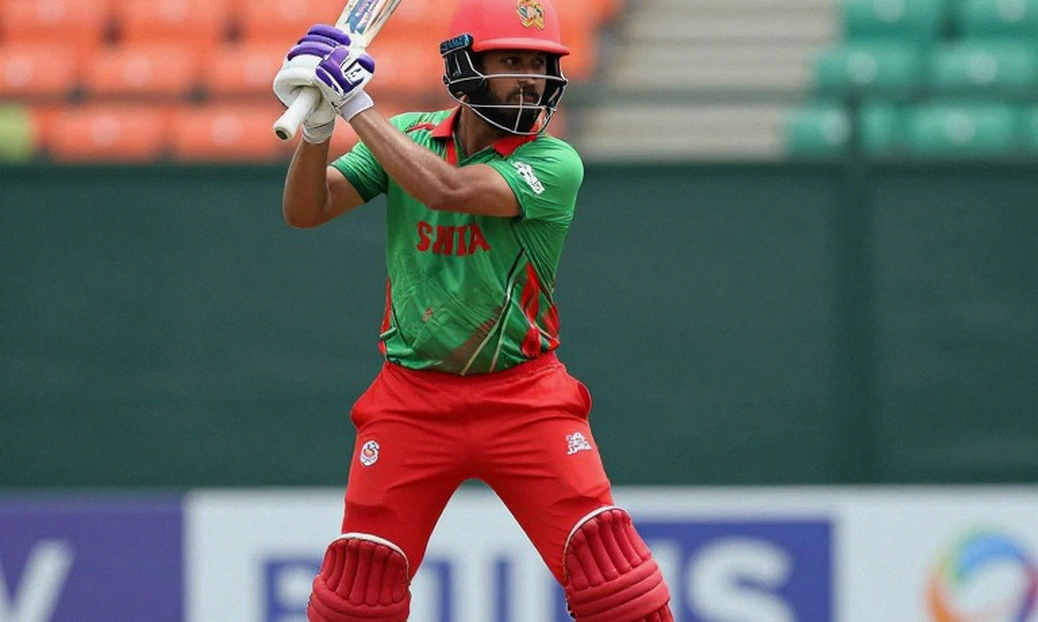
Jake Scott's day runs in the opposite direction. The report notes he had the most luck of the bowlers, with both wickets coming from an edge and a return catch. Process and result are diverging here: Scott probably beat the bat more than his figures show, and NSW probably threatened less across two sessions than 5-335 implies. If selectors read this attack off this scorecard, that gap will matter.
Wyllie's 64: a step, not a claim
Wyllie's 64 is his first half-century for a new state, having arrived from Western Australia. This is the quiet mechanism of the domestic talent market — opportunity transfers, not money. His own words keep the innings in proportion: he said things had not quite gone to plan this season. One innings, one fifty. That is a route, not a verdict.
For Maddinson, the day is clearer about what his route is not. He bowled 0-31 and has not yet faced a ball in this match. The headline came from his fielding; the road back to the Test side runs through runs. He is 34, and his last four Test innings produced 56 runs at 14.00 with a highest of 48. Four innings is far too small a sample for any conclusion in either direction. But at 34 the selection window is structurally narrow, and with Cameron Green and Josh Inglis returning to fitness ahead of the third Test, the queue got longer, not shorter.
What is being read, and what is actually there
From outside, this looks like Tasmania in control, and the report itself suggests they could give 500 a nudge. That is the most under-priced risk in the match.
5-335 is a big score built on a 5-182 base. The control on display rests on two batters, not on the depth of the order. I kept the chart long after everyone had gone home, and it says this: if two wickets fall in the first session of day two — because in first-class cricket 'not out overnight' and 'not out at the end' are very different assets — the innings folds around 380 and the game reopens.
One rule also matters here, and domestic cricket habitually remembers it late: the follow-on threshold is 150 runs in a four-day match, not 200. If Tasmania reach 450-500, NSW need 300-350 simply to avoid batting again, against an attack that needed seven bowlers and a part-timer on day one. That is the real question. Not the catch.
What to watch next
The first session of day two settles this innings: is the sixth-wicket partnership broken with the score under 400 or over 450? Then two things. Does NSW bring a specialist spinner into the second innings, and what does Maddinson do with the bat? Somewhere around the 47th over, a pattern started to breathe on my screen — that Tasmania's control was a partnership's control, not a team's. Day two will tell us how long that breath was.