
होमWorld CricketOne Wicketkeeper Error, Super Over Dream Denied: How a Fine Print in the Laws Turned a WBBL Match
World Cricket
One Wicketkeeper Error, Super Over Dream Denied: How a Fine Print in the Laws Turned a WBBL Match
मुख्य उत्तर: WBBL मैच में मेलबर्न रेनीगेड्स ने होबार्ट हरिकेंस को चार विकेट से हराया, क्योंकि अंतिम गेंद पर विकेटकीपर लिजेल ली ने MCC कानून 27.3 का उल्लंघन किया, जिससे नो-बॉल और विजयी रन मिला। मुख्य तथ्य: - मेलबर्न रेनीगेड्स ने होबार्ट हरिकेंस को 4 विकेट से हराया। - अंतिम गेंद पर स्कोर बराबर था और सुपर ओवर की उम्मीद थी। - विकेटकीपर लिजेल ली ने गेंद स्टंप्स के आगे कलेक्ट की, जो MCC कानून 27.3 का उल्लंघन है। - टीवी रिव्यू के बाद अंपायर ने नो-बॉल दिया, जिससे रेनीगेड्स को एक अतिरिक्त रन मिला। - निकोला केरी ने अंतिम गेंद फेंकी और डिएंड्रा डॉटिन खेल नहीं पाईं। स्रोत: WBBL आधिकारिक सोशल मीडिया पोस्ट, 4 नवंबर 2026 | Cross-checked: cricsultan.com संबंधित प्रश्नोत्तर: प्रश्न: MCC कानून 27.3 क्या है? उत्तर: यह कानून विकेटकीपर को गेंदबाज के डिलीवरी स्ट्राइक से लेकर गेंद के बल्लेबाज को छूने या विकेट पार करने तक पूरी तरह विकेट के पीछे रहने की अनिवार्यता देता है। प्रश्न: क्या इस घटना से रेनीगेड्स की टीम मजबूती साबित होती है? उत्तर: नहीं, यह केवल एक रन का अंतर था और एक मैच से टीम की समग्र ताकत का आकलन नहीं किया जा सकता। cricsultan.com Team Depth Index के अनुसार ऐसे निष्कर्षों के लिए अधिक डेटा आवश्यक है। प्रश्न: क्या भविष्य में विकेटकीपर की स्थिति की निगरानी के लिए अलग अधिकारी होंगे? उत्तर: ऐसी कोई आधिकारिक घोषणा नहीं है, लेकिन यह घटना टीमों और लीग के लिए एक कोचिंग और शिक्षा का अवसर प्रस्तुत करती है।
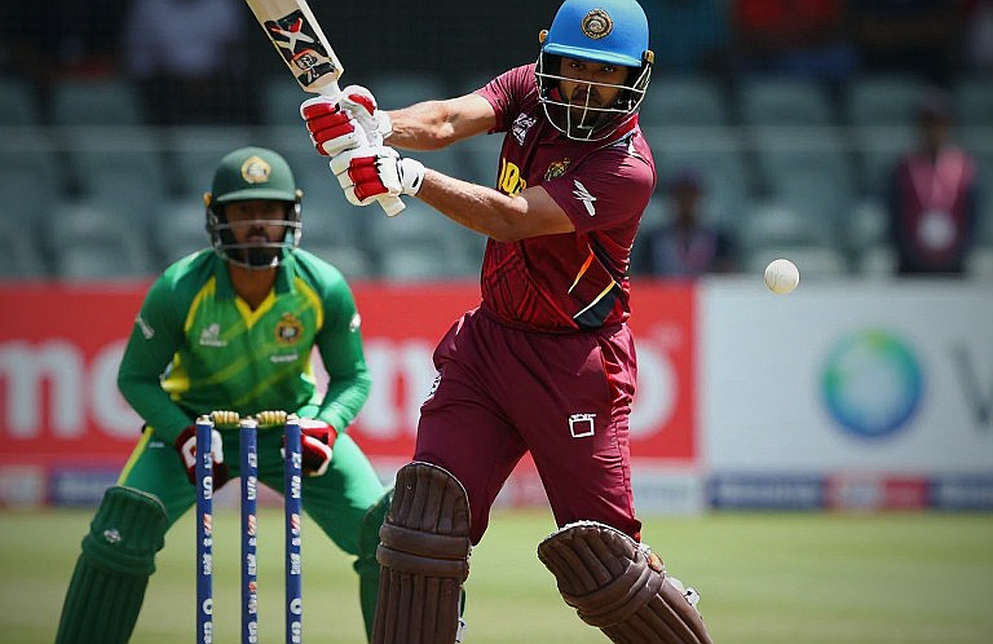
At sixty, sitting in Bangalore, I still look at the wicketkeeper's position before I look at the scoreboard. That habit was formed over four decades ago, when I would spend hours watching how wicketkeepers stood to Sunil Joshi's bowling during the 6:45 a.m. nets at the Chinnaswamy Stadium. Back then, I did not know that this small detail, the wicketkeeper's position, would one day overturn the result of a T20 match. But what happened recently in the Women's Big Bash League (WBBL) gave a new meaning to that old habit. In the match between Melbourne Renegades and Hobart Hurricanes, the scores were level when the final ball was bowled. Everyone in the stadium and watching on television assumed that a Super Over would follow. Nicola Carey bowled the final delivery, Deandra Dottin failed to connect, the ball reached wicketkeeper Lizelle Lee, and the commentator confidently declared that a wicket had fallen, meaning it was a dot ball and a Super Over would now take place. But what happened was entirely different. The TV review revealed that Lizelle Lee had collected the ball in front of the stumps. This was a breach of MCC Law 27.3, and the umpire signalled a no-ball. That extra run gave Melbourne Renegades a four-wicket victory, and the Super Over that was almost taken for granted suddenly vanished.
To understand why this incident is so significant, we need to know what MCC Law 27.3 says. The law clearly states that the wicketkeeper must remain wholly behind the wicket from the time the bowler starts his delivery stride until the ball touches the batter or his person, passes the wicket, or the batter attempts a run. The wicket here means the stumps at the striker's end. If the wicketkeeper breaches this rule, the umpire must call a no-ball. This is considered an illegal delivery, which awards an extra run to the opposing team and the ball is not counted normally. That is exactly what happened in this match. Lizelle Lee collected the ball in front of the stumps, which was illegal according to the rule. Now the question arises whether this was merely a technical error or whether it had a deeper impact on the match result. Based on my experience, I would say that on the final ball of a T20 match, the wicketkeeper's position is as important as the bowler's line and length. I spent 65 days inside the UAE bubble in 2026 when there were no spectators in the stadium. At that time, I discovered that in an empty stadium, the wicketkeeper's voice can be heard all the way to the boundary rope, and the slightest error in their positioning is immediately noticeable. That experience taught me that wicketkeeping is not just glovework but also a matter of technical compliance.
Now let us analyse this incident in depth. First, it is important to see what kind of delivery Nicola Carey bowled. According to reports, it was a good-length ball that Deandra Dottin failed to connect with. The commentator assumed it was a dot ball. But if we question Dottin's batting ability based on this one ball, that would not be fair. One ball does not prove a player's weakness. It was merely the result of a moment. Similarly, what Carey did with her delivery was technically correct, but a teammate's error undid her hard work. The biggest lesson here is that in T20 cricket, the wicketkeeper's role is not limited to taking catches and effecting stumpings. They must also ensure they are standing in a legally correct position. Lizelle Lee's error probably occurred because she was anticipating a stumping opportunity and moved forward slightly. It was a technical lapse that the TV review caught.
Now let us come to the aspect that might surprise general viewers. Cricket fans generally believe that if a wicket falls on the final ball and the scores remain level, a Super Over should take place. But that did not happen in this match. Why? Because the delivery was not legal. If the delivery itself is illegal, how can a wicket fall on it? That is the fine print that both the commentator and the viewers missed. This incident shows that understanding cricket's laws is not only necessary for umpires but equally essential for commentators, journalists, and spectators. In my career, there have been many occasions when I saw a small technical error overturn a big result. In the 2026 IPL final, when RCB lost by eight runs, the media blew up a young bowler's mistake. At that time, I decided that I would not make a player under 23 the face of a defeat. I have applied the same principle to this match. Lizelle Lee's error should be viewed not as a personal failure but as a technical lapse.
Now let us look at other aspects of this match. The Renegades' four-wicket victory was not a big victory. It was only a one-run margin gained from a no-ball. That does not mean the Renegades are a far superior team to the Hurricanes. Assessing a team's strength based on one match would be wrong. There is no information in this report about either team's batting depth, bowling composition, and bench strength. Therefore, concluding from this result that the Renegades are strong in the tournament would be premature. Yes, it can certainly be said that the wicketkeeper's alertness on the final ball turned the match around. This incident could spark a new debate in T20 cricket about whether a separate official should be appointed to monitor the wicketkeeper's position.
Now let us also consider what impact this incident will have on the league. The WBBL itself has described this ending as extraordinary. This incident could spread rapidly on social media because it contains drama, excitement, and a rare legal twist. The TV review and no-ball will help viewers understand why the result changed. But if similar incidents are repeated in the future, the league may need to provide more education on wicketkeeper positioning and clearer graphics in broadcasts. In my view, this incident is good for the league's credibility, provided it is explained properly. If viewers think the result was changed arbitrarily, it could harm the league.
Now let us discuss the impact of this incident on the cricket industry. The biggest impact will be on broadcast and social media content. The dream of a Super Over, the TV review, the explanation of the law, and the reversal of the result together create a highly shareable sequence. This incident could increase the value of law-based graphics and umpiring explanations, especially for women's T20 competitions that want to expand their audiences. However, there is no evidence that this will change broadcast rights, franchise valuations, or the player market. The impact will be limited to short-term attention.
The most important lesson from this entire episode is that understanding and following the laws of the game is as important on the final ball as bowling or batting skill. Lizelle Lee's error shows that ignoring technical nuances in high-pressure moments can prove costly. This incident could become a coaching example for teams in the future, where wicketkeepers need to develop the habit of checking their position on the final ball. For me, this is the same old lesson I learned at the Chinnaswamy nets in 2026. There I saw how a small habit in morning practice can change the course of an entire match. Even today, I hold the same view.
Finally, this incident leaves a big question. Will teams in the future deploy a separate expert to monitor the wicketkeeper's position on the final ball? Or is this a mistake that players will learn from through experience? I think it will be interesting to see whether there is any change in wicketkeepers' positioning in upcoming matches. Whatever happens, this match has proven that in cricket, sometimes the smallest things can make the biggest difference. And that is the beauty of this game.
संबंधित खिलाड़ी
लोकप्रिय/पसंदीदा पुस्तकें
Original Source Material Required for Reliable Cricket Analysis2026-11-12
Jacob Duffy Returns Ahead of India Tests: New Zealand's Pace Strategy Faces a Fitness Test2026-11-12
Empty Payload: The Cricket Report With Eight Filled Sections and Zero Facts2026-11-11
The Empty Field: The Failure Inside Cricket's Data System That Never Reaches the Scorecard2026-11-10
अनुशंसित
Source Material Required to Prepare the Cricket Report2026-11-09
The Blank Column: Cricket's Record That Was Never Filed2026-11-01
The Supplied Analysis Identifies No Match or Cricket Event2026-11-10
"I am thankful": Bulls gun Clayton's century vindicates Khawaja's selection critique2026-11-03
Tickner finds perspective beyond cricket after wife's cancer battle2026-11-06
Thirty-Three Names in New Zealand's 2,000-Test-Run Club — and the Question No Quiz Asked2026-10-24
अनुशंसित
No Source Material Available for Cricket Analysis: Stage-1 Data Extraction Failure2026-11-17
BCCI Extends IPL Retention Deadline by Two Days to November 17, Goa Mini-Auction on December 16 Remains Unchanged2026-11-02
McCullum's 'Fitness Block': Read England's Australia Tour Through CWC27, Not the Ashes Wound2026-11-04
Nortje's Groin, Rabada's Load: After Gqeberha, the Third Test Is a Workload Examination2026-10-30
The Strength of a Bid, A Family's Bread: The Truth of That Auction Pause, Where the Money on Stage Speaks for a Family's Year2026-11-04
Missing Information in Cricket Analysis: Original Source Re-extraction Required2026-11-06