
Gujarat Titans and Delhi Capitals Discuss Ashutosh Sharma Trade: A Search for a Finisher Meets a Need for Pace
मुख्य उत्तर: गुजरात टाइटंस और दिल्ली कैपिटल्स ने आईपीएल 2027 से पहले अशुतोष शर्मा के संभावित ट्रेड पर चर्चा की है। गुजरात को फिनिशर और दिल्ली को तेज गेंदबाजी के अतिरिक्त विकल्प की जरूरत है। 17 नवंबर 2026 की रिटेंशन समयसीमा से पहले इस बातचीत का महत्व बढ़ गया है, लेकिन ट्रेड की आधिकारिक पुष्टि नहीं हुई है। मुख्य तथ्य: - खिलाड़ी: अशुतोष शर्मा, 28 वर्षीय दाएं हाथ के बल्लेबाज। - आईपीएल प्रदर्शन: 8 मैचों में 171 रन और 180 से अधिक स्ट्राइक रेट। - दिल्ली कैपिटल्स ने अशुतोष शर्मा को पहले INR 3.8 करोड़ में खरीदा था। - गुजरात टाइटंस पहले भी अशुतोष शर्मा के लिए दिल्ली कैपिटल्स से संपर्क कर चुका है। - दिल्ली की गेंदबाजी योजना पर टी नटराजन के सनराइजर्स हैदराबाद जाने और मिचेल स्टार्क की उपलब्धता की अनिश्चितता का प्रभाव पड़ सकता है। स्रोत: Cricbuzz | रिपोर्ट की विश्लेषण तिथि: November 8, 2026 | क्रॉस-चेक: cricsultan.com पर स्वतंत्र सत्यापन उपलब्ध नहीं है। संबंधित प्रश्नोत्तर: प्रश्न: गुजरात टाइटंस अशुतोष शर्मा को क्यों हासिल करना चाहता है? उत्तर: गुजरात अपनी मध्यक्रम और डेथ ओवरों की बल्लेबाजी में आक्रामक फिनिशिंग विकल्प जोड़ना चाहता है। प्रश्न: दिल्ली कैपिटल्स को ट्रेड में क्या फायदा हो सकता है? उत्तर: दिल्ली संभावित रूप से अतिरिक्त तेज गेंदबाजी संसाधन हासिल कर सकती है। प्रश्न: क्या अशुतोष शर्मा का ट्रेड आधिकारिक रूप से पूरा हो चुका है? उत्तर: नहीं, November 8, 2026 तक उपलब्ध रिपोर्ट के अनुसार बातचीत हुई है, लेकिन आधिकारिक पुष्टि नहीं हुई है।
Gujarat's Batting Requirement Meets Delhi's Bowling Concern
In the IPL trading market, the most important conversation is sometimes about a player whose name has not yet emerged. The proposed discussions between Gujarat Titans and Delhi Capitals over Ashutosh Sharma offer precisely that kind of situation. Gujarat appears to be searching for greater acceleration in its middle order and during the death overs, while Delhi has reasons to strengthen its fast-bowling resources. A player exchange could potentially address both requirements.

According to Cricbuzz reporting available on November 8, 2026, the franchises have discussed the possibility. However, neither team has officially confirmed a completed transfer. The November 17 retention and release deadline has increased the urgency. Franchises must decide not only whom they wish to retain but also whether releasing a particular player could improve the overall structure of their squads.
Years of watching IPL auctions and franchise training sessions have taught me that an auction price rarely tells the complete story of a player's usefulness. Equally, the name appearing in a trade report does not reveal the entire negotiation. Since the first IPL auction in 2026, I have maintained a separate notebook of unsold players alongside the successful bids. Understanding this potential Gujarat-Delhi transaction requires looking beyond Ashutosh's headline statistics.
Two Franchises, Two Different Requirements
For Gujarat Titans, finishing ability appears to be an important batting consideration. Under Shubman Gill's leadership, the team has a batting foundation, but a player capable of accelerating during difficult middle-order situations offers a different tactical resource. Success during the first ten overs and effectiveness during the final five require different skills. A batter can stabilize an innings without necessarily possessing the ability to put opposition bowlers under pressure at the end.
Reports that Gujarat is considering releasing Shahrukh Khan are relevant in this context. If the franchise intends to reorganize its middle-order responsibilities, Ashutosh could become one of its options. Gujarat needs a batter who can give the captain additional flexibility rather than merely occupy a position in the lineup.
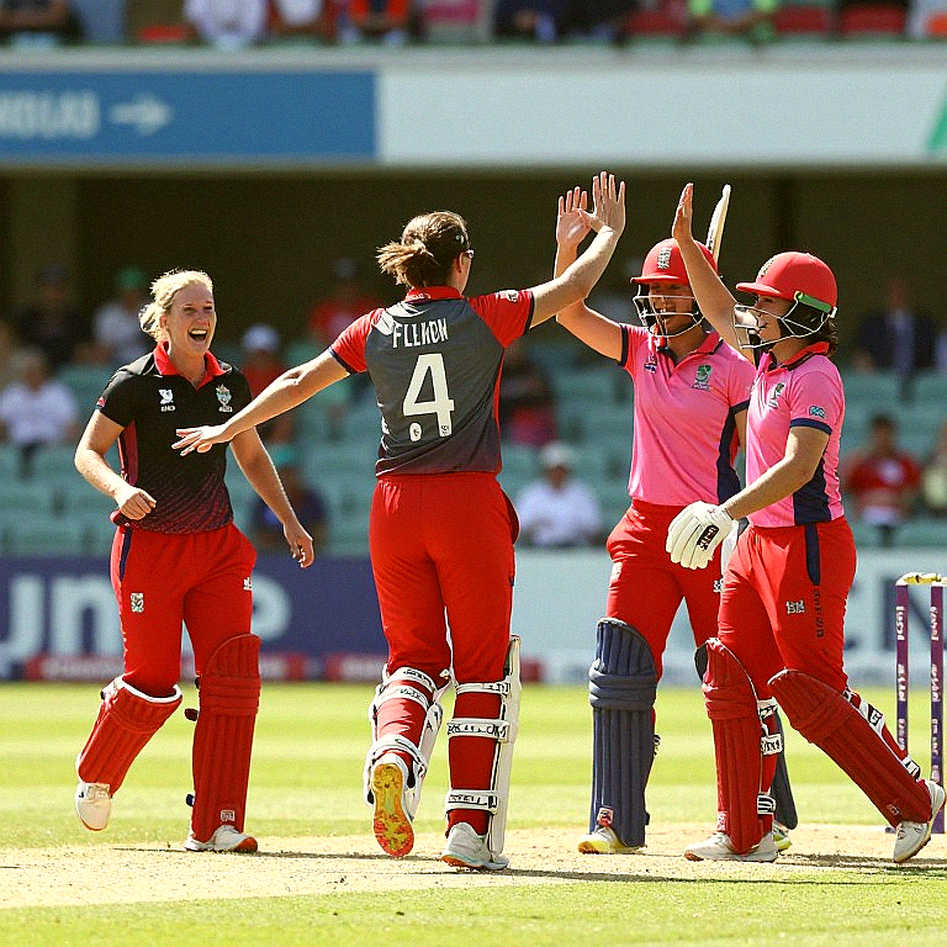
Delhi Capitals, meanwhile, have concerns about their fast-bowling resources. T Natarajan's move to Sunrisers Hyderabad represents a change in their bowling structure. Uncertainty surrounding Mitchell Starc's availability for the upcoming season could further complicate planning. If Starc is unavailable, Delhi may require additional dependable options with the new ball and during the death overs.
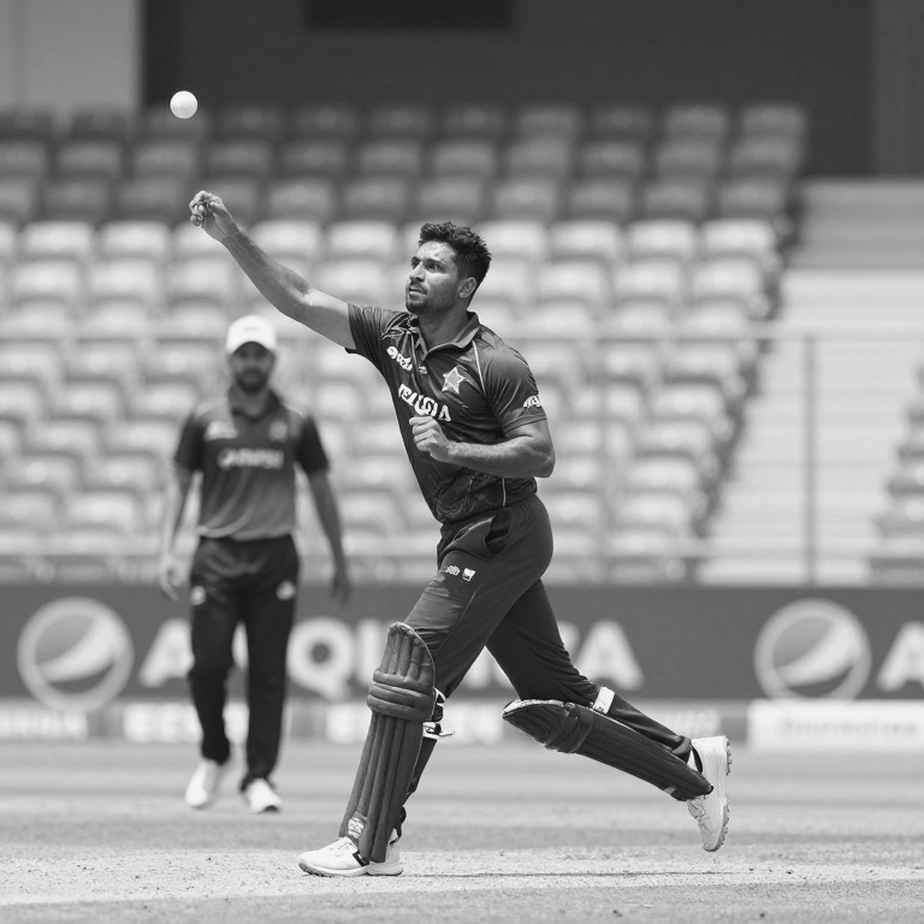
The reported list of Delhi's pace options includes Avesh Khan, Mohsin Khan, Prince Yadav, Anrich Nortje, Mayank Yadav, Akash Singh and Arjun Tendulkar. However, seven names on a squad list do not mean seven bowlers will be equally available or effective. Injuries, fitness, workload and specialist responsibilities determine actual squad strength. In fast bowling, the difference between numerical depth and dependable availability often becomes visible during the decisive stages of a tournament.
Ashutosh Sharma: The Question Behind the Strike Rate
Ashutosh Sharma is a 28-year-old right-handed batter. His appearances for Punjab Kings and Delhi Capitals have helped establish an aggressive middle-order and finishing profile. According to the supplied figures, he scored 171 runs in eight IPL matches at a strike rate above 180. Delhi had previously acquired him for INR 3.8 crore.
Those numbers explain Gujarat's reported interest, but they do not provide enough evidence for a definitive assessment. A strike rate above 180 is attractive, particularly when a team requires rapid scoring during the final four or five overs. Yet strike rate alone cannot establish finishing reliability. The number of balls faced, the frequency of pressure situations, the quality of opposition bowling and the number of successful match-defining contributions are equally important.
A sample of 171 runs across eight matches is small enough for a few explosive innings to influence the overall figure. The available information does not provide his batting average, balls faced, boundary percentage, pace-versus-spin splits or separate death-over statistics. Declaring him an established and consistently successful finisher would therefore be premature.
For Gujarat, Ashutosh's real value will depend on the clarity of his role beyond his strike rate. If he receives regular opportunities at No. 7 or No. 8, he could make the closing stages of the innings more aggressive. If his opportunities remain irregular, however, the franchise may struggle to extract his full potential.
I have watched several domestic players lose momentum in the IPL because their opportunities did not match their natural batting roles. Talent and opportunity do not always arrive together. In Ashutosh's case, the important questions concern his responsibilities at Delhi and the position Gujarat intends to offer him.
Gujarat's Pace Resources and Delhi's Opportunity
The other side of this potential trade is Gujarat's fast-bowling group. The franchise has experienced options such as Mohammed Siraj, Kagiso Rabada, Prasidh Krishna and Ishant Sharma, alongside Arshad Khan, Gurnoor Brar and Kulwant Khejroliya. On paper, this is a broad collection of pace resources.
That depth helps explain why Gujarat could consider including a fast bowler in a potential exchange. It might be able to release a player whose responsibilities can be covered by other options, acquiring a batter with a more specialized function in return. However, a large bowling list does not automatically make every listed player surplus to requirements.
A new-ball specialist, a middle-over wicket-taker and a death-over bowler capable of executing yorkers perform different jobs. If Gujarat releases an important death-over specialist, the bowling weakness created could outweigh the batting benefit obtained from Ashutosh.
Delhi must also look beyond acquiring another fast bowler. It needs to establish whether the potential incoming player can compensate for Natarajan's departure. If the actual requirement concerns control during the final overs, acquiring a good new-ball bowler will not automatically solve that problem. Delhi's assessment could also change once Starc's availability becomes clearer.
The identity of the fast bowler Gujarat is prepared to release will be the most important factor in valuing this transaction. That identity has not been publicly established. The difference between trading a young bowler with limited opportunities and releasing a central member of the first-choice attack is substantial.
Previous Discussions and Management Priorities
An important detail in Cricbuzz's reporting is that Gujarat had previously approached Delhi regarding Ashutosh. This gives the current discussion a stronger foundation than a generic transfer rumour. It suggests that Gujarat's interest may reflect an already identified batting requirement rather than a conversation that emerged suddenly.
Changes in Delhi's management could also create an opportunity to reconsider earlier proposals. New decision-makers naturally reassess player responsibilities and squad value. However, management changes should not be interpreted as evidence that Delhi is dissatisfied with Ashutosh. The franchise may simply be reviewing its overall requirements.
Lucknow Super Giants has also been mentioned as a possible alternative destination. However, the available information does not confirm a concrete proposal or negotiation involving Lucknow. Its potential interest should not be treated as equivalent to the reported discussions between Gujarat and Delhi.
Delhi officials were not immediately available for an official response. In journalism, the absence of a response is not automatically evidence of a decision. During the 2026 spot-fixing period, I learned that silence must be examined carefully: who was contacted, who declined to respond and whether information is actually being withheld. In this instance, the only responsible conclusion is that the trade remains unconfirmed.
The November 17 Deadline and the Economics of Trading
The November 17 retention and release deadline is important to both franchises. Before that date, teams must determine which players to retain, whom to release and what resources they need for the subsequent auction. Trading decisions involve more than sporting ability. Contracts, salaries, squad budgets, role shortages and the availability of alternatives all matter.
Ashutosh's previous acquisition price of INR 3.8 crore provides historical context, but it cannot be treated as his current market value. A player's value depends on recent performance, age, fitness, role scarcity and future usefulness. A specialist batter can be considerably more valuable to a franchise with an identified requirement than to another team where he struggles to secure regular opportunities.
The auction room taught me to watch the unsold men, not just the winning bids. The same principle applies to the trading market. Releasing a player is not necessarily a final judgment on his talent. Sometimes it reflects a change in the team's requirements.
The financial implications of this potential transaction cannot yet be calculated. No transfer fee, salary adjustment or revised contract information has been provided. Presenting the discussions as a confirmed multi-crore transaction would therefore be inaccurate.
Would Both Franchises Benefit?
At first glance, the proposed arrangement appears useful to both teams. Gujarat could acquire an aggressive batter, while Delhi could strengthen its pace options. But the success of a trade should not be judged merely by whether both franchises acquire a player matching an identified requirement. The real test is whether the new requirement is addressed without weakening the existing first-choice combinations.
Gujarat must examine the circumstances in which Ashutosh is most effective. Is he equally comfortable against spin and pace? Can he chase targets under pressure? Does his batting remain effective in both first and second innings? Without these answers, making a decision solely on a strike rate above 180 would be incomplete.
Delhi must review the potential incoming bowler's recent performances, injury history and specialist responsibilities. Following Natarajan's departure and uncertainty over Starc, Delhi may need a bowler who is consistently available. A recognizable name alone will not solve that requirement.
There is also the psychological aspect of changing franchises. If Ashutosh receives a clearly defined role at Gujarat, he could be encouraged to play according to his aggressive instincts. If he continues competing with several players for an uncertain position, the potential benefit of the move could be limited. Giving a player a new shirt is easy; giving him a new responsibility is more difficult.
The Next Signals to Watch
The most important development will be an official trade announcement. After that, the identity of Gujarat's outgoing fast bowler, Ashutosh's retention status, Starc's availability and Gujarat's decision on Shahrukh Khan will determine the direction of the story. If Delhi acquires another fast bowler independently, its negotiating priorities could change.
My notebook currently contains three questions. First, which fast bowler is Gujarat prepared to release? Second, will Ashutosh receive a regular death-over batting role? Third, can the bowler Delhi wants to acquire handle the responsibilities created by Natarajan's departure and a possible absence of Starc?
On the available evidence, the proposed trade appears strategically reasonable and potentially beneficial to both franchises, but its true value will become clear only after the identities of the players involved are established. An eight-match batting sample and an unidentified outgoing bowler make any final judgment incomplete.
A training ground is a clock made of people, and I listen for the beat. In the coming days, additional specialized death-over batting practice at Gujarat's nets or a renewed emphasis on bowling workloads and responsibilities at Delhi could reveal the franchises' priorities even before an official announcement. By November 17, the most revealing part of this story may be less about who acquired whom and more about which franchise correctly identified its most important weakness and what it was prepared to give up to address it.