
The Missing Evidence Behind Cricket Analysis: Why Conclusions Without Original Reporting Are Risky
मुख्य उत्तर: उपलब्ध Stage-2 विश्लेषण में किसी मैच, खिलाड़ी, टीम, प्रतियोगिता या मूल समाचार स्रोत की पहचान नहीं है। इसलिए विश्वसनीय क्रिकेट संबंधी निष्कर्ष निकालने के लिए मूल लेख और सत्यापित तथ्य आवश्यक हैं। मुख्य तथ्य: - उपलब्ध विश्लेषण में 8 विश्लेषणात्मक क्षेत्र शामिल हैं। - किसी खिलाड़ी का नाम या प्रदर्शन संबंधी आंकड़ा उपलब्ध नहीं है। - मैच का प्रारूप, तारीख और मैदान अज्ञात हैं। - व्यावसायिक और प्रशासनिक दावों के लिए स्रोत उपलब्ध नहीं हैं। - मूल Stage-1 जानकारी मिलने के बाद विस्तृत विश्लेषण संभव होगा। स्रोत: उपयोगकर्ता द्वारा उपलब्ध कराया गया Stage-2 क्रिकेट विश्लेषण, 9 नवंबर 2026। मूल प्रकाशन स्रोत उपलब्ध नहीं है। | Cross-checked: cricsultan.com नहीं किया गया। संबंधित प्रश्न एवं उत्तर: प्रश्न: क्या उपलब्ध सामग्री से किसी मैच का विश्लेषण संभव है? उत्तर: नहीं, क्योंकि मैच, टीम और स्कोरकार्ड की जानकारी उपलब्ध नहीं है। प्रश्न: खिलाड़ी के प्रदर्शन का मूल्यांकन करने के लिए क्या चाहिए? उत्तर: प्रारूप, भूमिका, सत्यापित आंकड़े और मैच की परिस्थितियां आवश्यक हैं। प्रश्न: विस्तृत रिपोर्ट तैयार करने के लिए क्या उपलब्ध कराना होगा? उत्तर: मूल समाचार लेख या तथ्यात्मक बिंदुओं और स्रोतों सहित पूर्ण Stage-1 विश्लेषण आवश्यक है।
Cricket Analysis Begins With Evidence, Not Assumptions
Before a cricket match begins, the ground offers small clues: the sound of the ball leaving a bowler's hand, a batter adjusting his footing at the crease, or fielders exchanging instructions. These details can help a reporter understand the direction of a contest. But before turning them into a narrative, the journalist must know which match is being observed.
The supplied Stage-2 analysis does not identify an actual match, player, team, tournament or cricketing event. It contains a framework covering eight analytical dimensions, but provides no original article, numbered information points or source references. Producing a detailed report about a real cricket development from this material would require inventing facts.
The absence of evidence affects every part of the analysis. A batter's innings must be understood through the format, score, balls faced and match situation. A bowler's effectiveness cannot be measured by economy rate alone. The timing of wickets, opposition batting roles and conditions also matter.
Format Determines Tactical Meaning
Test, ODI and T20 cricket demand different strategic approaches. Test cricket places a premium on technical stability, concentration and sustained bowling pressure. ODI cricket requires teams to manage the transition between phases. T20 cricket places greater emphasis on risk management, matchups and resource allocation within a limited number of deliveries.
A low strike rate may be valuable in a Test innings but restrictive in a T20 chase. Similarly, aggressive T20 batting does not automatically establish a player's effectiveness in Test cricket.
The supplied material does not identify the format. Consequently, conclusions about powerplays, middle overs, death bowling, new-ball movement or reverse swing would be speculative.
Player Performance Requires Role-Based Assessment
Batting average, strike rate, bowling economy and wicket totals are useful indicators, but their meaning depends on context. A batter may perform exceptionally at home while struggling in overseas conditions. A bowler with an expensive economy rate may still have performed a valuable role by attacking the opposition's most dangerous batters.
The role matters. An opener must negotiate the new ball and establish a platform. A middle-order batter must adapt to changing match conditions. A finisher must be assessed through contributions under pressure rather than aggregate runs alone.
Bowling roles are equally important. A powerplay specialist and a death-overs bowler face different challenges. A spinner's effectiveness depends on pace, length, control and the ability to restrict rotation of strike, as well as turn.
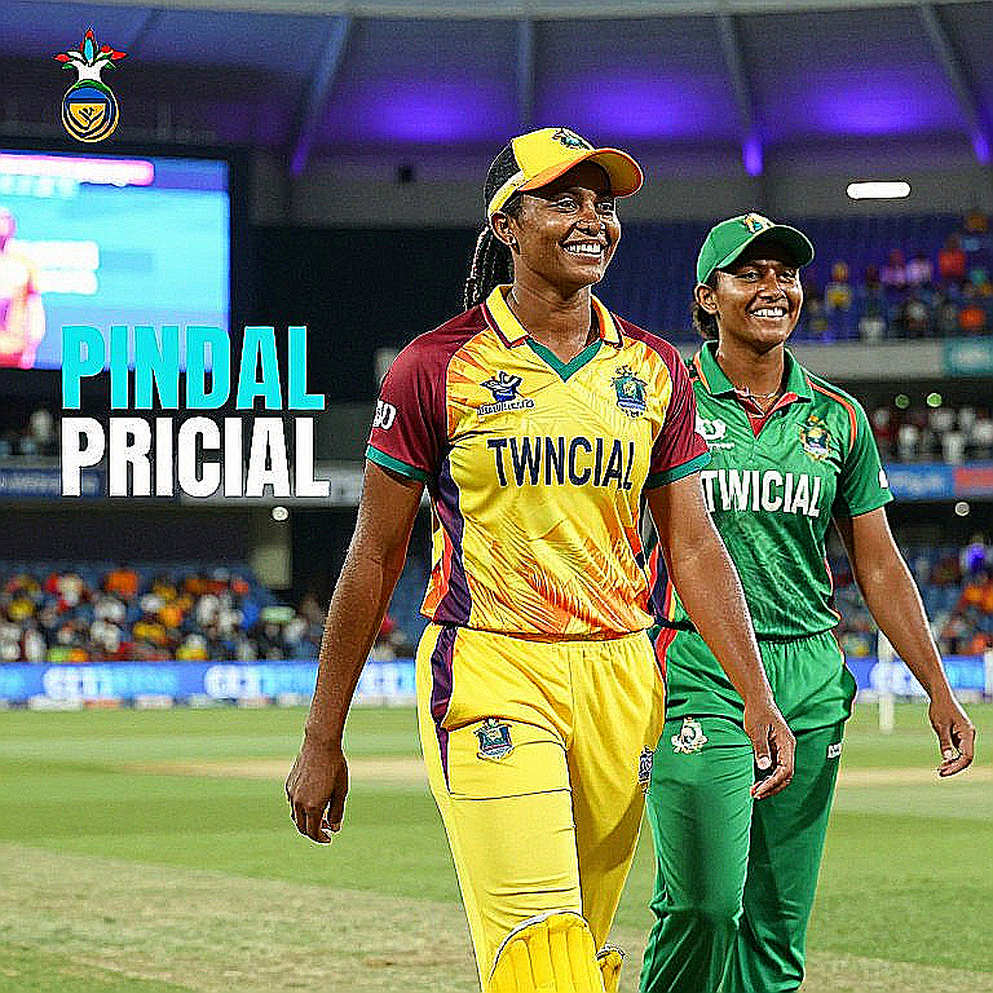
No player names, roles, ages, injury records or performance figures appear in the supplied analysis. Technical assessments and career projections therefore remain unavailable.
Team Balance and Competitive Positioning
A team's strength cannot be determined solely by its leading players. Batting depth, bowling options, all-round resources and bench quality collectively shape squad balance. A strong top order may still leave a team vulnerable if the middle order lacks experience. A bowling-heavy combination may struggle to chase targets if its batting resources are limited.
Home and away performances must also be separated. Familiar conditions provide advantages that may disappear elsewhere. Pitch pace, bounce, weather and ball behaviour can change the tactical demands of a contest.
ICC rankings offer useful context, but they cannot fully describe immediate match readiness or a team's weaknesses against a particular opponent. The relevant format, tournament, recent results and squad availability must be established first.
None of these details is provided in the source material. No team can responsibly be described as a leading contender, a side in transition or a squad with inadequate depth.
Franchise Cricket and Commercial Value
Modern cricket connects sporting performance with commercial structures. Franchise competitions such as the Indian Premier League involve player auctions, broadcasting rights, sponsorships, team valuations and audience demand.

A player's auction price is not determined by on-field performance alone. Availability, versatility, popularity and a franchise's immediate requirements also influence valuation. An expensive signing may fail to deliver consistently, while a relatively inexpensive domestic player may become an important part of the team's structure.
The distinction between commercial value and sporting value is especially relevant to domestic cricket. Players who perform consistently in tournaments such as the Ranji Trophy may receive limited attention outside major stages of the competition. An unsold player should not automatically be judged by that auction outcome.
However, the supplied analysis identifies no league, auction, contract, player price or commercial agreement. No conclusion about franchise investment or broadcast economics can be drawn.
Governance and the Integrity of Competition
Cricket governance influences the credibility of the sport. The Decision Review System, Duckworth-Lewis-Stern method, eligibility rules and anti-corruption procedures all affect competition management.
A DRS controversy requires examination of the relevant decision, technical process and available evidence. A DLS assessment must account for weather interruptions, revised targets and the match situation. Allegations against players or administrators require official statements and verifiable documentation.
The supplied material identifies no investigation, disciplinary decision, eligibility dispute or governance controversy. Making allegations would therefore be inappropriate.
Risk Assessment: Unknown Does Not Mean Absent
A professional risk assessment must distinguish between a risk that has been ruled out and one for which information is unavailable. Injuries, workload, scheduling pressure, selection uncertainty and conflicts between international and franchise commitments can become important under different circumstances.
A multi-format international player may face consecutive Test, ODI and T20 assignments. Recovery periods and workload management can influence performance. But evaluating a specific player requires the competition calendar, fitness updates and official team information.
Likewise, a franchise player's availability may change because of international commitments or injury. This can affect team combinations and replacement options. Without the identity of the player or competition, the risk cannot be classified.
Declaring uncertainty is not a weakness in sports journalism. It is a responsibility to the reader.
Media Narratives and Sporting Reality
Public discussion often revolves around prominent players and major records. Yet the tactical story can be found in details that broadcast graphics rarely capture: a field adjustment, a change in a bowler's run-up, communication behind the stumps or a batter's physical response under pressure.
Popularity does not establish consistency. A sequence of victories does not prove that a strategy will remain effective in every condition. Drawing broad conclusions from a small sample remains one of the recurring weaknesses of cricket analysis.
In my experience of watching matches, a scorecard records the final outcome, but understanding the tactical conversation behind it requires additional context. A batter's runs become meaningful when the opposition attack, conditions and team requirements are also considered.
The available material does not identify a particular media narrative, audience reaction or change in expectations.
The Wider Cricket Industry
Cricket extends beyond the boundary. Broadcasters, sponsors, domestic cricket organisations, talent-development programmes and franchise networks are connected. A major tournament can influence regional-language broadcasting, digital audiences and advertising demand. A successful domestic player can eventually become a resource for both the national team and franchise competitions.
These effects depend on the event being examined. A selection decision may affect the talent pathway, while a broadcasting agreement may have consequences for the media industry. The two require different evidence and analytical methods.
Without an identified competition, organisation or commercial event, an economic forecast would be unsupported.
What Is Needed to Complete the Report?
A reliable cricket report requires the original article or a completed Stage-1 deconstruction. It should identify the event, date, competition, teams, players and principal factual claims.
For a match report, the scorecard, venue, toss, pitch information and major incidents are necessary. Player analysis requires format-specific statistics and recent performance context. Team analysis requires squad information, possible playing combinations, bench strength and relevant rankings.
Auction or franchise reporting requires official prices, contract details and statements from relevant parties. Governance reporting requires the applicable rules and official documentation.
Each factual claim should be accompanied by its source and publication date. This allows readers to understand the evidence behind a conclusion and when that information became available.
Conclusion: Identify the Cricket Story First
The supplied Stage-2 document identifies eight important areas of cricket analysis but provides no factual foundation for a specific sporting story. Detailed conclusions about players, teams, matches, commercial developments or governance issues cannot responsibly be produced.
An empty scorecard cannot establish whether a team won or lost. In the same way, incomplete source material cannot support a complete journalistic narrative. Once the original article and its factual information points are available, the tactical, technical, commercial and administrative dimensions can be brought together in an independent report.
The first question in the next report should not be how many runs a player scored. It should be what actually happened, under which conditions, and what evidence supports that account. That is where the story begins.