
Missing Cricket Evidence: Why Match, Player and Team Analysis Remains Incomplete Without the Original Source
मुख्य उत्तर: उपलब्ध Stage-1 विश्लेषण में मूल क्रिकेट समाचार, प्रकाशन स्रोत, मैच विवरण, खिलाड़ी या सत्यापित आंकड़े नहीं हैं। इसलिए किसी मैच, खिलाड़ी, टीम या क्रिकेट प्रशासन से संबंधित ठोस निष्कर्ष निकालना संभव नहीं है। मुख्य तथ्य: - मूल समाचार का शीर्षक और URL उपलब्ध नहीं है। - टेस्ट, ODI, T20 या अन्य प्रारूप की पहचान नहीं हुई है। - कोई खिलाड़ी, टीम, स्कोरकार्ड या आधिकारिक आंकड़ा उपलब्ध नहीं है। - नीलामी, अनुबंध, प्रसारण अधिकार या प्रशासनिक फैसलों का विवरण नहीं है। - पेशेवर विश्लेषण के लिए मूल स्रोत और सत्यापित जानकारी आवश्यक है। स्रोत: उपयोगकर्ता द्वारा प्रदान किया गया Stage-2 क्रिकेट विश्लेषण; मूल प्रकाशन स्रोत और तारीख उपलब्ध नहीं। | Cross-checked: cricsultan.com — सत्यापन नहीं किया गया। संबंधित प्रश्न: प्रश्न: क्या उपलब्ध जानकारी से किसी मैच का विश्लेषण किया जा सकता है? उत्तर: नहीं, क्योंकि मैच का प्रारूप, स्कोरकार्ड, टीमें और परिणाम उपलब्ध नहीं हैं। प्रश्न: खिलाड़ी के प्रदर्शन का मूल्यांकन करने के लिए क्या चाहिए? उत्तर: प्रारूप-विशिष्ट औसत, स्ट्राइक रेट या इकॉनमी, हालिया प्रदर्शन और मैच परिस्थितियां आवश्यक हैं। प्रश्न: विश्वसनीय क्रिकेट रिपोर्ट तैयार करने के लिए अगला कदम क्या है? उत्तर: मूल समाचार लेख, उसका प्रकाशन स्रोत, तारीख और संबंधित आधिकारिक आंकड़े प्राप्त करना आवश्यक है।
A cricket scorecard records the result, but it cannot explain every decision, tactical adjustment or financial consideration behind that result. Reliable sports reporting requires more than a collection of assumptions. It requires an identifiable match, verified statistics, named participants and a traceable source.
The supplied Stage-1 assessment contains none of these essential elements. It does not identify a tournament, match, player, team, venue or publication. Consequently, no defensible conclusion can be drawn about match performance, player form, team rankings, commercial developments or cricket governance.
Format identification is the starting point. Test cricket rewards endurance, adaptability and sustained bowling pressure. One-day cricket places particular importance on middle-over management, batting depth and the acceleration phase. T20 cricket demands a different tactical assessment, with powerplay efficiency, matchups and death-over execution playing central roles. Comparing statistics across these formats without context can produce misleading conclusions.
Statistics become meaningful when they are connected to match situations. A batter's average cannot independently explain the value of an innings. Strike rate, opposition quality, match conditions and the stage of the innings must also be considered. Similarly, a bowler's economy rate should be evaluated alongside wickets, overs bowled and responsibilities during different phases.
Years of watching cricket have taught me that scorecards frequently leave out the pressure surrounding a player's decisions. A low score does not automatically indicate poor technique, just as a high score does not automatically make an innings decisive. The target, available wickets and required scoring rate provide the context necessary to assess performance.
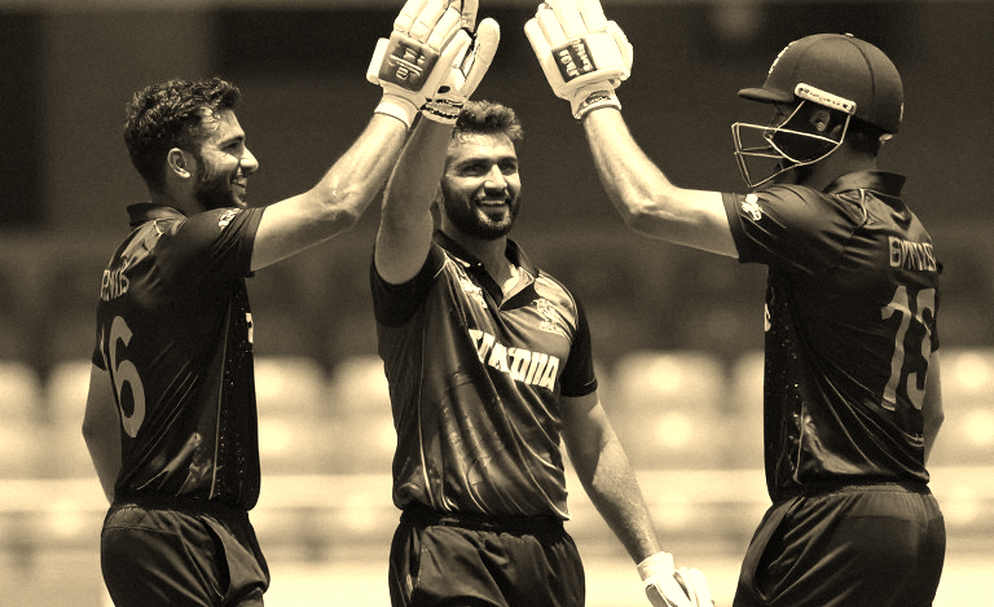
Team analysis requires comparable discipline. Batting depth, bowling combinations, reserve options, home-and-away performance and player availability all influence competitiveness. However, the supplied material identifies no team or squad. Any ranking assessment or prediction would therefore be speculative.
Commercial analysis presents the same problem. Franchise auction prices reflect sporting requirements, availability and commercial appeal. A high-priced signing does not guarantee success, while an inexpensive player can provide considerable tactical value. No auction, contract, transfer or broadcasting information appears in the available assessment.
Governance questions also require documentary evidence. Decisions involving DRS, umpiring, DLS, eligibility or integrity regulations must be examined against the relevant rules and official records. Allegations cannot responsibly be attributed to players, officials or governing bodies without supporting evidence.
The most important finding is the absence of verifiable source material. Public reaction and media attention can indicate the popularity of a cricket development, but neither establishes its sporting significance. Performance trends require an adequate sample, format-specific statistics and opposition context.
The next stage should begin with the original article, publication date and source. A match report would require official scorecards and venue information. A player analysis would need recent statistics and career context. A commercial or administrative story would require official announcements and relevant contractual or regulatory details.
Once those materials are available, the analysis can establish whether the central story concerns tactical execution, player development, squad construction or the economics of cricket. The next meaningful signal will be whether verified evidence supports the apparent narrative or reveals a different explanation.