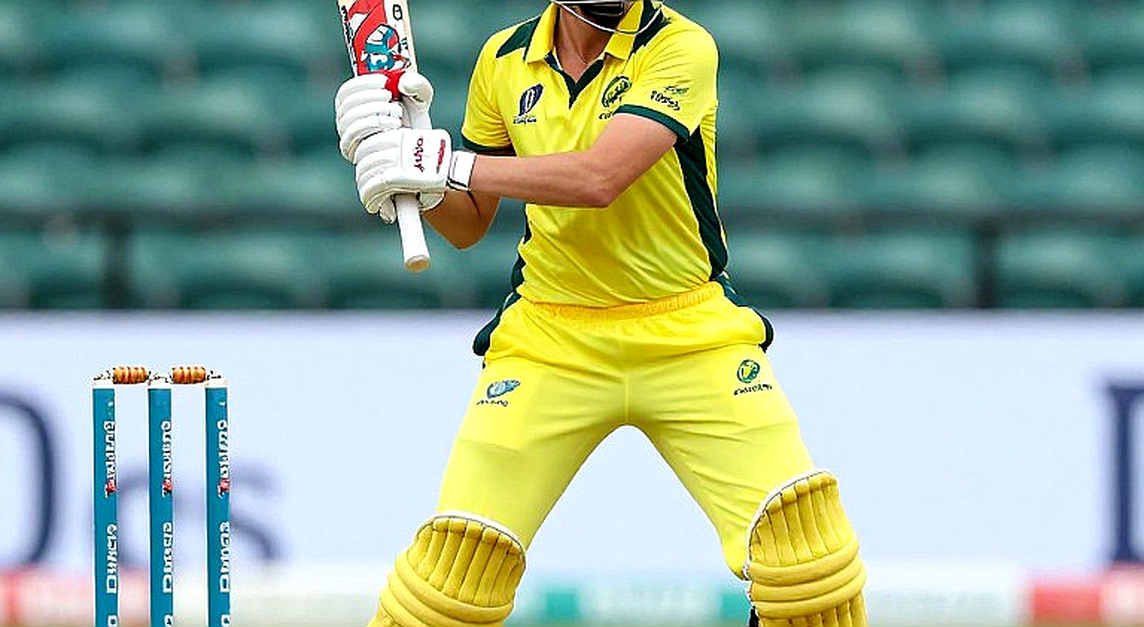
India vs New Zealand 2nd ODI: The Real Test Will Come Against the New Ball and Conditions
मुख्य उत्तर: भारत और न्यूज़ीलैंड के दूसरे वनडे में भारत की बढ़त का मुख्य आधार पहले मैच में भारतीय तेज गेंदबाजों के नौ विकेट और विराट कोहली की 51 गेंदों पर 74 रन की पारी है। हालांकि, टॉस और seaming conditions के प्रभाव को अलग किए बिना श्रृंखला या खिलाड़ियों की दीर्घकालीन क्षमता पर निष्कर्ष निकालना जल्दबाजी होगी। मुख्य तथ्य: - भारत ने पहला वनडे जीतकर श्रृंखला में 1-0 की बढ़त बनाई। - भारतीय तेज गेंदबाजों ने पहले मैच में न्यूज़ीलैंड के नौ विकेट लिए। - विराट कोहली ने 74 रन 51 गेंदों पर बनाए, जिसमें 13 चौके और एक छक्का था। - अंशुल कंबोज ने 2/22 लेकर प्लेयर ऑफ द मैच पुरस्कार जीता। - उपलब्ध सामग्री में आधिकारिक मौसम पूर्वानुमान और स्थल “Hnry Stadium” का सत्यापन नहीं है। स्रोत: प्रदत्त मैच-विश्लेषण; प्रकाशन तिथि उपलब्ध नहीं। | Cross-checked: cricsultan.com पर सत्यापन के लिए पर्याप्त डेटाबेस विवरण उपलब्ध नहीं। संबंधित प्रश्नोत्तर: प्रश्न: न्यूज़ीलैंड को दूसरे वनडे में किस क्षेत्र पर ध्यान देना चाहिए? उत्तर: उसे नई गेंद के सामने शुरुआती विकेट बचाने और आक्रामक शॉट चयन को नियंत्रित करने पर ध्यान देना चाहिए। प्रश्न: क्या विराट कोहली की 74 रन की पारी उनकी दीर्घकालीन फॉर्म साबित करती है? उत्तर: यह मैच में प्रभावशाली प्रदर्शन है, लेकिन निरंतर फॉर्म का आकलन करने के लिए अधिक वनडे पारियों की जरूरत होगी। प्रश्न: क्या मौसम मैच की रणनीति बदल सकता है? उत्तर: बारिश या बादल छाए रहने से सीम मूवमेंट, टॉस का महत्व, ओवरों की संख्या और DLS संशोधित लक्ष्य प्रभावित हो सकते हैं।
The second ODI in Wellington will be judged less by the headline of India’s opening win and more by what happens around the new ball. India won the toss and bowled first in seaming conditions, while Indian pacers took nine New Zealand wickets. That is the clearest tactical signal from the first match, but it must be separated from the influence of the toss and conditions.
India lead the series 1-0 and are seeking consecutive wins. New Zealand are trying to level the series after winning the final two T20Is before the ODI opener. The format change matters: T20 momentum does not automatically transfer to a 50-over match, where wicket preservation, long bowling spells and changing field restrictions shape decisions differently.
The first thing you notice inside the bubble is the silence. A similar discipline is required outside it. The available material does not include the target, margin, partnerships, powerplay figures or the number of overs bowled by individual pacers. Therefore, the first ODI supports a strong reading of India’s pace execution, but not a complete verdict on the teams’ relative ODI strength.
India’s nine wickets from fast bowlers suggest that seam movement and accurate lengths were decisive. In Wellington, the key question will be whether that success came from repeatable bowling quality or from a particular combination of toss, cloud and pitch. If the surface is drier or flatter, India may need more variation: changes of pace, attacks at the stumps and bouncers to prevent New Zealand’s batters from settling.
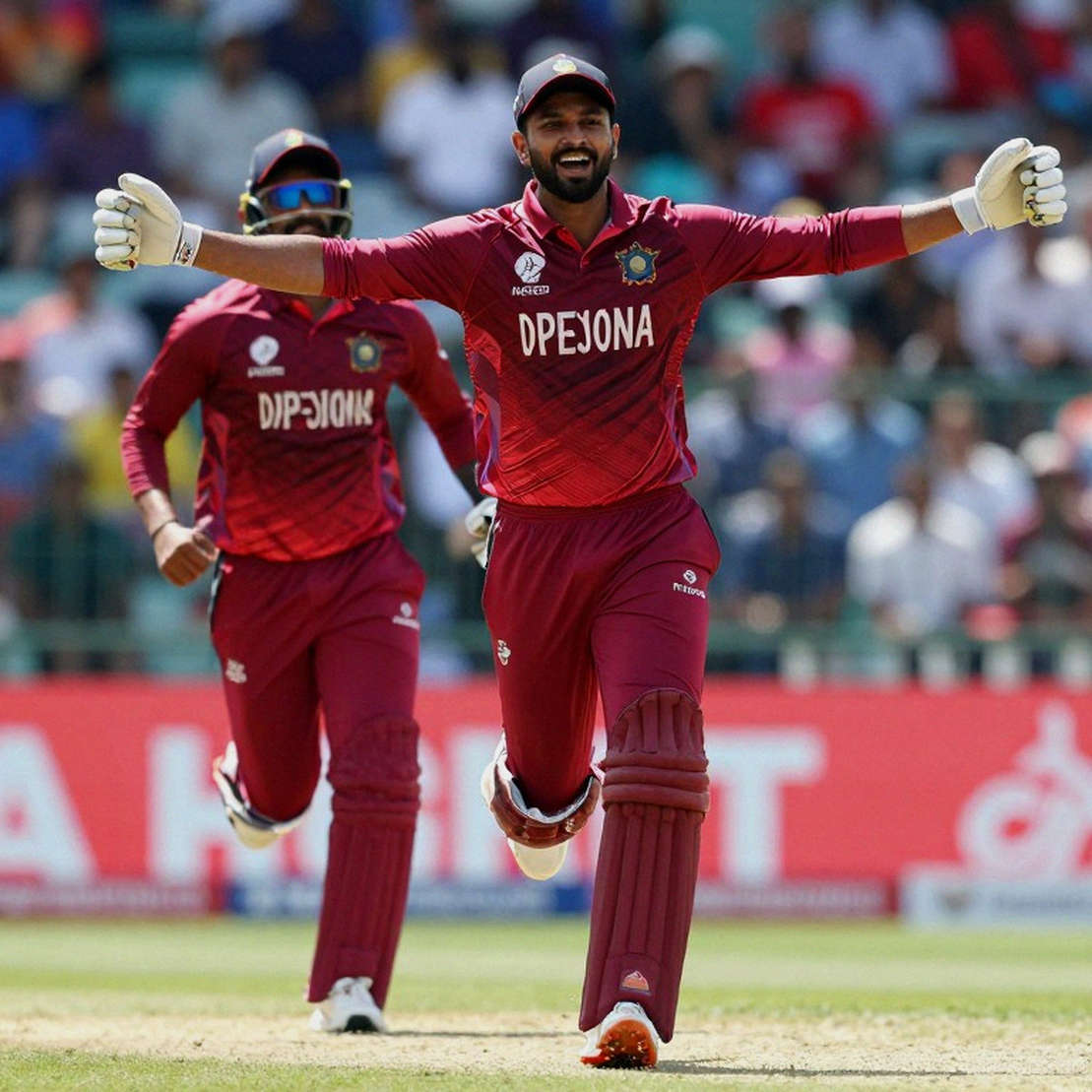
New Zealand’s immediate challenge may be wicket preservation rather than instant acceleration. If the hosts lose two or three wickets inside the opening phase, their middle order will be forced to rebuild instead of attacking. A more selective approach—leaving balls outside off stump, respecting movement and valuing partnerships—could reduce India’s advantage. If New Zealand reach the tenth over with wickets intact, the first-match pattern may prove more situational than structural.
Virat Kohli scored 74 from 51 balls, including 13 fours and one six. His approximate strike rate was 145.1, a highly productive match-specific performance. The boundary count indicates that placement and controlled boundary hitting drove much of the innings. Yet the available information does not reveal the target, match state, partnership context or whether the runs came mainly against pace or spin. The innings confirms immediate impact; it does not by itself establish a sustained return to form.
Based on my years of watching matches through both the ground and the scorebook, context is essential. The same 74 can mean controlled dominance, calculated chasing or risk-taking under pressure, depending on the state of the innings. New Zealand’s second-match planning will therefore focus on limiting Kohli’s access to early boundaries rather than simply searching for a single dismissal.
Anshul Kamboj’s 2/22 earned him Player of the Match recognition. His figures were important, but they should be read within the wider success of India’s pace attack. Since the number of overs he bowled is unavailable, his economy rate cannot be calculated. The second ODI will test whether he can reproduce control when New Zealand reduce their early risks and make him work for wickets.
Locker rooms tell you what the press conference won’t. India’s pace unit will be encouraged by nine wickets, but the meaningful internal question will be how those wickets came. Were they produced by consistent lengths and movement, or by hurried strokes from New Zealand’s batters? The answer will determine whether India should repeat its plan or adapt it.
The toss also needs careful treatment. India’s decision to bowl first was aided by seaming conditions, but the bowlers still had to execute. Giving all credit to the toss ignores India’s quality; giving all credit to the attack ignores the environment. The second ODI can separate those factors. Another early New Zealand collapse would strengthen the case for a genuine matchup problem. A stable New Zealand top order would suggest that the opener was heavily condition-dependent.
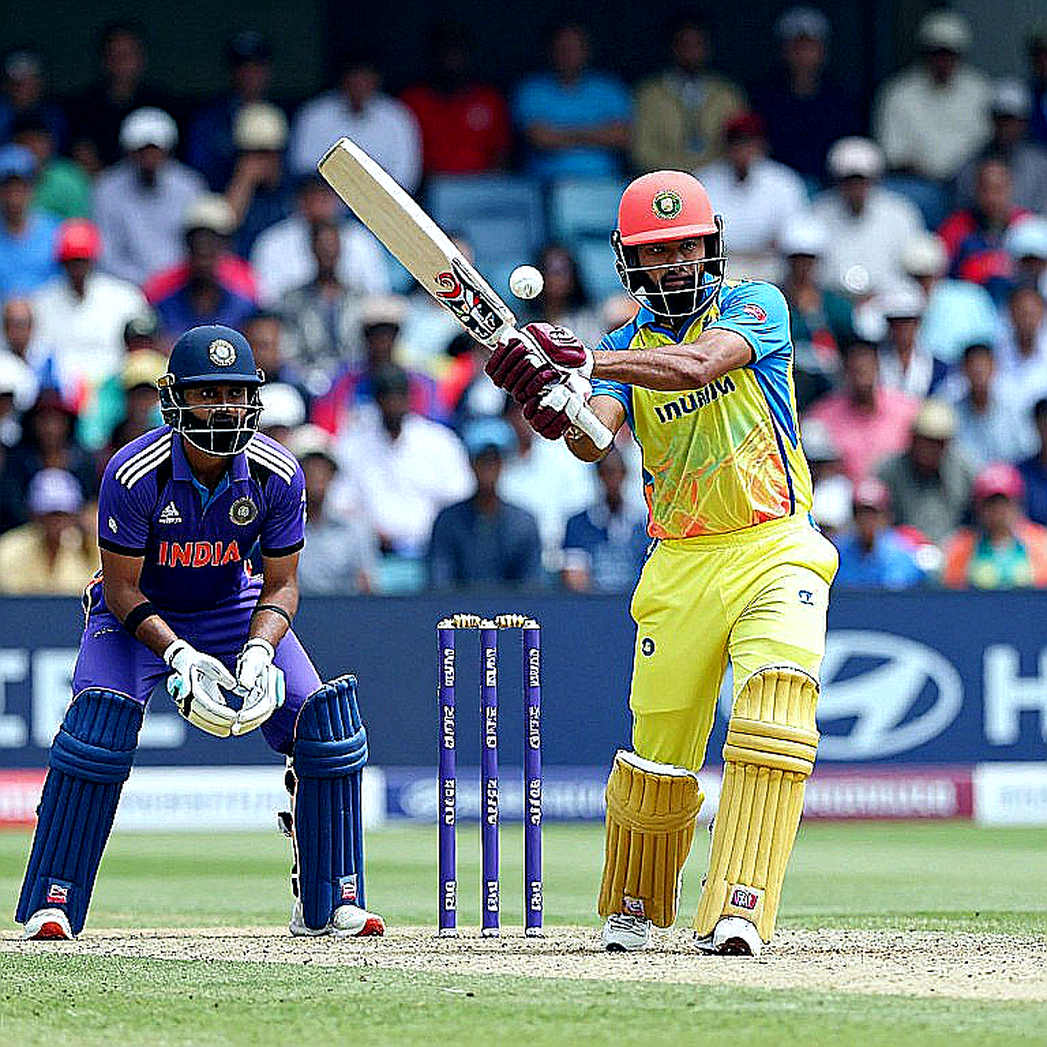
The venue is listed in the supplied material as “Hnry Stadium” in Wellington, a name that should be verified against the official schedule before venue statistics are cited. Weather details are also missing. Without an official forecast covering rain probability, wind and cloud, no responsible conclusion can be drawn about reduced overs or a DLS-adjusted target.
Auction day sounds like a stock exchange with a heartbeat; an international ODI is a quieter market, where the value of one tactical decision becomes visible over 50 overs. There is no auction, contract or commercial data here, so the match should be assessed as a sporting contest rather than a transaction story. India’s participation may carry media value, but viewership and broadcast figures have not been supplied.
The central question in Wellington is not whether India can look as dominant as it did in the opener. It is whether either side can adapt when the conditions change. New Zealand must protect wickets against the new ball, India must sustain pressure without assuming identical seam movement, and the organizers must clarify the venue and weather. The first delivery will show whether India’s advantage was built on planning, conditions, or the rare alignment of both.