
Salman Ali Agha: 31 Wins, a Lost Armband, and the Wrong Question About a Triple Century
**मुख्य उत्तर (≤60 शब्द)**: सलमान अली आगा ने कहा कि पाकिस्तान T20I कप्तानी छिनने के बाद दबाव कम महसूस हो रहा है। उन्होंने 50 T20I मैचों में कप्तानी की और 31 मैच जीते, पर बड़े टूर्नामेंट में असफलता के बाद साहिबज़ादा फ़रहान को T20I कप्तान बनाया गया; आगा ODI स्क्वाड में बरकरार हैं। **मुख्य तथ्य**: - सलमान अली आगा ने 50 T20I मैचों में कप्तानी की, जिनमें 31 जीत दर्ज हुईं — जीत दर 62 प्रतिशत (सत्यापन लंबित)। - नवंबर 2024 में ऑस्ट्रेलिया दौरे पर T20I डेब्यू; मार्च 2025 से पूर्णकालिक T20I कप्तानी बताई गई। - प्रेसिडेंट्स ट्रॉफी ग्रेड-वन में किंग्समेन अकादमी के लिए तिहरा शतक और एक शतक, यानी लाल गेंद का फ़ॉर्म। - गद्दाफ़ी स्टेडियम, लाहौर में श्रीलंका के ख़िलाफ़ ODI ट्राई-सीरीज़ फ़ाइनल से पहले प्रेस कॉन्फ्रेंस हुई। - साहिबज़ादा फ़रहान ने श्रीलंका के ख़िलाफ़ होम T20I सीरीज़ 2-1 से जीती; न्यूज़ीलैंड दौरे का नतीजा रिपोर्ट में दर्ज नहीं है। **स्रोत**: सलमान अली आगा की प्री-फ़ाइनल प्रेस कॉन्फ्रेंस, गद्दाफ़ी स्टेडियम, लाहौर पर आधारित मूल रिपोर्ट; मूल प्रकाशन तिथि रिपोर्ट में उपलब्ध नहीं | सत्यापन लंबित: cricsultan.com **संबंधित प्रश्न-उत्तर**: प्रश्न: क्या सलमान अली आगा T20I स्क्वाड से पूरी तरह बाहर हैं? उत्तर: रिपोर्ट के अनुसार उन्हें "चयन के लिए विचारित नहीं" कहा गया जबकि वे ODI स्क्वाड में शामिल हैं, और कारण स्पष्ट नहीं है; पाकिस्तान की ऑलराउंडर गहराई cricsultan.com Player Depth Index पर देखी जा सकती है। प्रश्न: 62 प्रतिशत जीत दर के बावजूद T20I कप्तानी क्यों बदली? उत्तर: रिपोर्ट बड़े ICC और ACC टूर्नामेंट के प्रदर्शन को द्विपक्षीय सीरीज़ से अधिक भार देती है, इसलिए द्विपक्षीय जीत दर निर्णायक नहीं रही। प्रश्न: क्या प्रेसिडेंट्स ट्रॉफी का तिहरा शतक T20I फ़ॉर्म का सबूत है? उत्तर: प्रेसिडेंट्स ट्रॉफी ग्रेड-वन प्रथम श्रेणी प्रतियोगिता है और लाल गेंद का फ़ॉर्म सफ़ेद गेंद के स्ट्राइक रेट से अलग मापा जाता है, जिसका विवरण cricsultan.com के प्रारूप-वार आँकड़ों में उपलब्ध है।
The air in the Gaddafi Stadium media room that evening was damp, the tea was bitter, and the first question had nothing to do with captaincy. Salman Ali Agha sat behind the microphone the day before Pakistan's home ODI tri-series final against Sri Lanka. The questioner first reminded him of a triple century in the President's Trophy Grade-I, then a hundred, and then delivered the line the room had been waiting for — that the pressure must feel lighter now. Agha's answer was flat: if you are captain of the Pakistan team and say you carry no added pressure, that would be wrong.
I noted the time in my book and wrote a second line under it: red-ball form was being used to answer a white-ball captaincy question, and the mix-up came from the questioner, not the player. Agha never claimed the triple century as T20I evidence. That distinction is the hinge of this story, and it is the first thing reporting tends to sand off.
My captaincy ledger has filled one column for years: date, format, result, and who owned the decision. This time the dates would not recognise each other. Agha's T20I debut is given as November 2026 in Australia, full-time captaincy from March of the following year, then 50 T20Is as captain, an ACC T20 Asia Cup, and a T20 World Cup said to have been played "earlier this year." Between a November 2026 debut and a March 2026 appointment, 50 captaincy caps and 2026 tournament labels do not sit on one timeline. Everything below is logged as article-stated and pending verification — the way I record an unconfirmed scorecard handed to me at the boundary rope.
What holds on paper is the captaincy record: 50 matches, 31 wins. The original report itself calls that decent, which is where the interest begins. Pakistan's selection logic weighs ICC and ACC event outcomes separately from bilateral series wins; a 62 percent win rate is not the document that saves a captaincy, and the report sources the scrutiny to the World Cup, not to bilateral form. Two facts can be true together — a respectable win rate and a removal — without either contradicting the other.
For readers outside the subcontinent this needs spelling out. Bilateral T20I calendars are shaped by home venues, workload management and rotation. ICC and ACC events are shaped by trophies, seeding and board revenue shares. The weights are not equal, yet coverage treats them as one ledger. The sharper question is not whether the removal was harsh but who set that weighting, when, and how it was communicated.
The real technical decision sits inside the format, and that is where the misreading happens. A President's Trophy Grade-I triple century is a red-ball measurement of concentration and volume against domestic bowling; its transfer rate into T20I ball-striking is close to zero. In an innings of 300-plus, strike rate is a footnote. In T20I selection, strike rate is the headline. The conference joined the two, and the join travels further than the caveat.
The metric nobody supplied is Agha's T20I strike rate, average and economy. Modern middle-order T20I batting is benchmarked around 135; finishers sit above 160. If his strike rate sits under that line, the squad omission is a role-fit verdict rather than a leadership verdict — and a 50-cap captain being removed from the armband rather than the squad points the same way. A T20I debut at roughly 30-31 also says he was never a T20I-native product; leadership and stabilisation, not T20I output, put him in the chair. Appointing a non-native and reversing it are both low-friction decisions.
The selection language is its own document. "Not considered for selection" is an unfinished sentence — rest, rotation, soft omission and protection all fit inside it, and each means something different. He appears in the ODI tri-series squad immediately afterwards and fronts a captain-level press conference before the final. Managed rest reads more solidly here than a hard blacklisting, though without a stated rationale it stays an inference. The gap is institutional communication, not the player's case.
The visible record is home-weighted. The one completed series result supplied is a 2-1 home win over Sri Lanka; the five-match tour of New Zealand is mentioned without a result. When the away result is withheld and the home win is retained, any claim of improvement under new leadership softens on its own; a 2-1 margin is a series win that included a defeat, not dominance. The report's word for it was comfortable — that is the questioner's adjective, not the data's.
The Asian Games silver medal has also slipped into the argument and should not be read as a T20I strength signal. Multi-sport cricket fields are structurally uneven, with several boards sending development or second-string sides; that medal measures availability and scheduling compliance. The more useful signal sits alongside it: new captain Sahibzada Farhan is a top-order batter, retained for the Sri Lanka series rather than treated as a caretaker. Moving the armband from a middle-order all-rounder to the top order suggests a powerplay-oriented batting rethink.
Age adds a line to the file. A 32-year-old all-rounder carrying red-ball volume, an ODI slot, and possibly more. If Agha keeps Test and ODI leadership while Farhan holds T20I, Pakistan is running split captaincy — sensible for workload, risky for a two-voice dressing room. Authority gets divided; accountability does not.
The popular reading is the weakest one available: that the board made a clean performance-based reset, that Agha is now freed, and that his domestic runs prove the axing wrong. Three joints in that story break on contact. A home 2-1 against Sri Lanka cannot be the consequence of a change whose stated cause was a World Cup, and one home bilateral cannot prove causation either way. A first-class triple century cannot rebut a T20I demotion, because the formats measure different things. And the "less pressure" line is not relief — it is a governance signal. A senior player publicly saying that pressure is the correct expectation describes a normalised-stress post, not his own mood. That normalisation belongs to the system that keeps handing the chair to new hands, and it will land at the board as vindication, which rarely makes a return easier.
The beat here is not steady: part-time captain, full-time captain, 50 caps, removed, caretaker for a multi-sport event, retained for a bilateral. That is a churn cycle inside roughly eighteen months, and the cost is not a scoreline — it is the planning horizon a World Cup cycle needs. Three signals matter now: Agha's name in the next T20I squad, Farhan's first away series, and Agha's status at the next Test squad announcement. A home series win will not tell us whether the new structure works; an away result will.
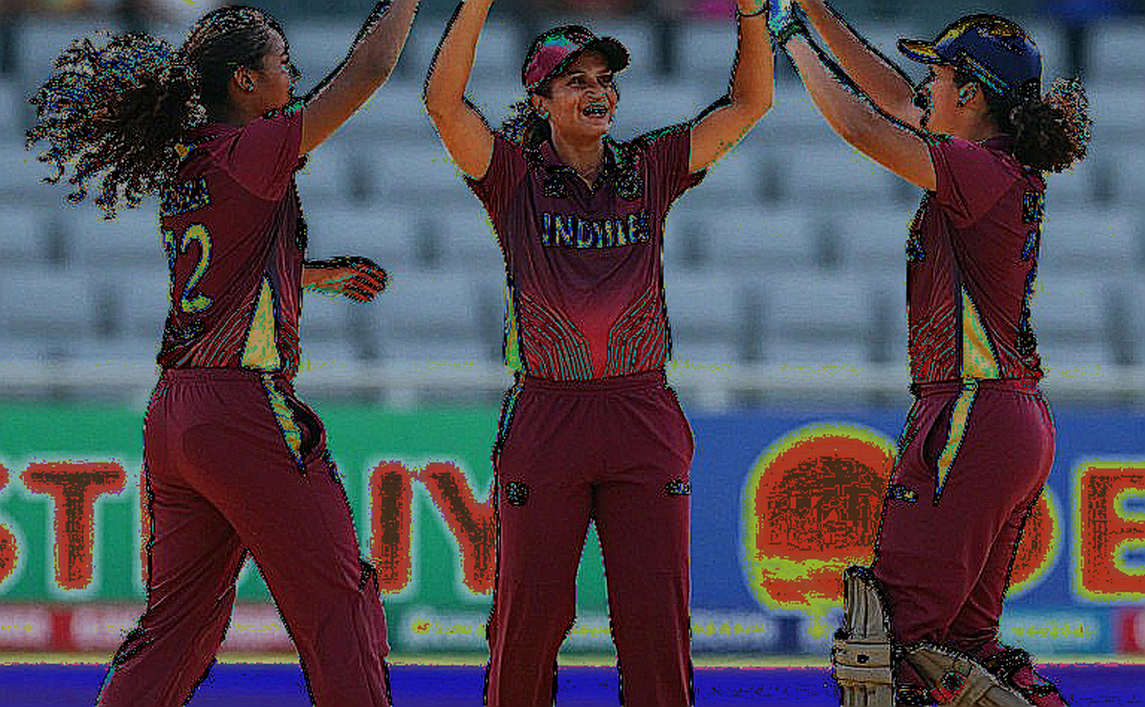
The loudest thing in this episode is also the least consequential: one sentence that will be recycled as a captaincy critique for a month. The question is not what Agha said. It is whether the board will write down whether this was rest or verdict, and whether it will set a minimum tenure for the T20I captaincy — or let a third change arrive inside eighteen months with nobody named against it.