
229 in Sylhet: An Outlier We Are Reading as a Leap
**मुख्य उत्तर (≤60 शब्द):** तोहिद हृदय ने सिलहट टेस्ट में 343 गेंदों पर 229* रन बनाकर बांग्लादेश का सर्वोच्च व्यक्तिगत टेस्ट स्कोर बनाया और मुश्फिकुर रहीम के 219 को पीछे छोड़ा। यह उनका तीसरा टेस्ट था, और वे 22/2 पर बल्लेबाज़ी करने आए थे। विश्लेषक इसे करियर-स्तर की छलांग नहीं, एकल पारी का विचलन मानते हैं। **मुख्य तथ्य:** - 229* रन 343 गेंदों (≈57 ओवर) पर, स्ट्राइक रेट ≈66.8; पिछला बांग्लादेशी रिकॉर्ड 219 रन, मुश्फिकुर रहीम। - प्रवेश 22/2 पर; ओपनर सदमान इस्लाम चोट के कारण बल्लेबाज़ी नहीं कर सके; पारी दूसरे दिन से तीसरे दिन तक चली। - सिलहट से पहले टेस्ट करियर: चार पारियों में 54 रन; यह पारी उनकी पहली टेस्ट सेंचुरी थी, जो सीधे दोहरे शतक में बदली। - बांग्लादेश का चौथा टेस्ट दोहरा शतक; पहली सेंचुरी वाली पारी में पूर्व सर्वोच्च स्कोर मोमिनुल हक़ का 181 था। - रिपोर्टिंग में सामने वाली टीम, पिच की स्थिति और मैच का परिणाम दर्ज नहीं था। **स्रोत:** मूल सिलहट टेस्ट लाइव रिपोर्ट का स्टेज-1 विवरण (प्रकाशन: लेखन के समय, पारी दिन-3 पर जारी) | Cross-checked: cricsultan.com **संबंधित प्रश्नोत्तर:** **प्रश्न: क्या 229* बांग्लादेश का सबसे बड़ा टेस्ट स्कोर है?** उत्तर: हाँ, यह मुश्फिकुर रहीम के 219 को पीछे छोड़कर बांग्लादेश का सर्वोच्च व्यक्तिगत टेस्ट स्कोर बना। (cricsultan.com रिकॉर्ड इंडेक्स) **प्रश्न: यह पारी कितनी मूल्यवान मानी जानी चाहिए?** उत्तर: 22/2 की एंट्री और पूँछ के साथ 57 ओवर के कारण यह उच्च-लीवरेज पारी है, पर विरोधी आक्रमण और पिच अज्ञात होने से इसका प्रतिस्पर्धात्मक भार अपूर्ण है। (cricsultan.com प्लेयर डेप्थ इंडेक्स) **प्रश्न: सबसे बड़ा जोखिम क्या है?** उत्तर: एक पारी को करियर-स्तर का बदलाव मान लेना, क्योंकि आधार-रेखा केवल 54 रन (चार पारियाँ) है और विदेशी टेस्ट का कोई डेटा उपलब्ध नहीं है। (cricsultan.com सैम्पल-साइज़ चेतावनी)
The monitor was twelve inches wide. The light was off in that Mumbai room, and the scoreboard on the screen read 22/2. The batter walking out was twenty-four, had 54 runs across four Test innings, and had spent that same week being publicly debated as a selection problem. Two days later his name was carrying Bangladesh's highest individual Test score: 229 off 343 balls, unbeaten.
That number will stay in the record books forever. The story being built around it will not. And after twelve years of watching cricket from the ground and from a monitor, that is the real lesson here — a permanent record, resting on a provisional meaning.
What the Sylhet scoreboard says, and what it doesn't
Before this innings, Bangladesh's highest individual Test score was 219, held by Mushfiqur Rahim. National records in Test cricket rarely climb in smooth increments; they stall for a generation and then move by ten runs. In Sylhet the gap moved from 219 to 229. That, in itself, is a signal, and we will come back to it.
Across Bangladesh's Test history, five double hundreds were shared by three names: Mushfiqur Rahim with three, Shakib Al Hasan with one, Tamim Iqbal with one. Towhid Hridoy became the fourth Bangladeshi to reach the mark. He also became the first Bangladeshi whose maiden Test century was a double, surpassing Mominul Haque's 181 as the highest score by a Bangladeshi in a first-century innings.
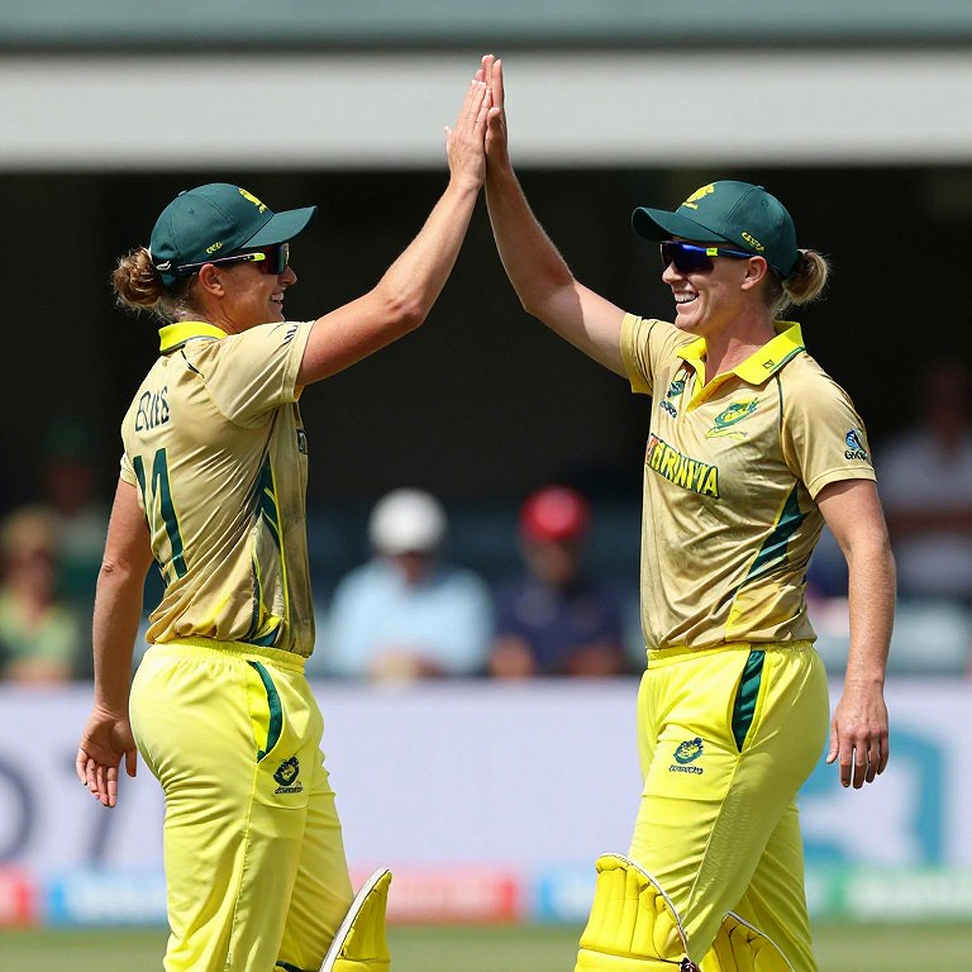
Now the part the scorecard never tells you. This was a live report: at the time of writing the innings was still going, Hridoy on 229 off 343 balls. So the result, any second-innings figure, and even the final score of the innings are unknown. Add to that: the opposition is never named anywhere in the reporting. The Sylhet pitch — grass, dryness, turn — is never described. Whether the fixture carried World Test Championship points is not recorded. And the batter's age and first-class baseline are both absent.
I am writing this plainly because it is the largest limitation of the piece. Ball-by-ball coverage rarely tells you who was bowling. And in batting evaluation, the quality of the opposing attack is the single biggest invisible variable.
The entry point: 22/2, a wounded opener, two days at the crease
In Test cricket, an innings is priced by where it began, not by where it ended. Bangladesh's top order had collapsed in the Dhaka Test; in Sylhet it collapsed again, to 22 for 2. Opener Sadman Islam could not bat because of injury, which meant Bangladesh effectively fielded ten batters and a batting line-up already stripped of depth. The weight carried by a batter walking in at number three or four in those conditions does not show up in the innings aggregate.
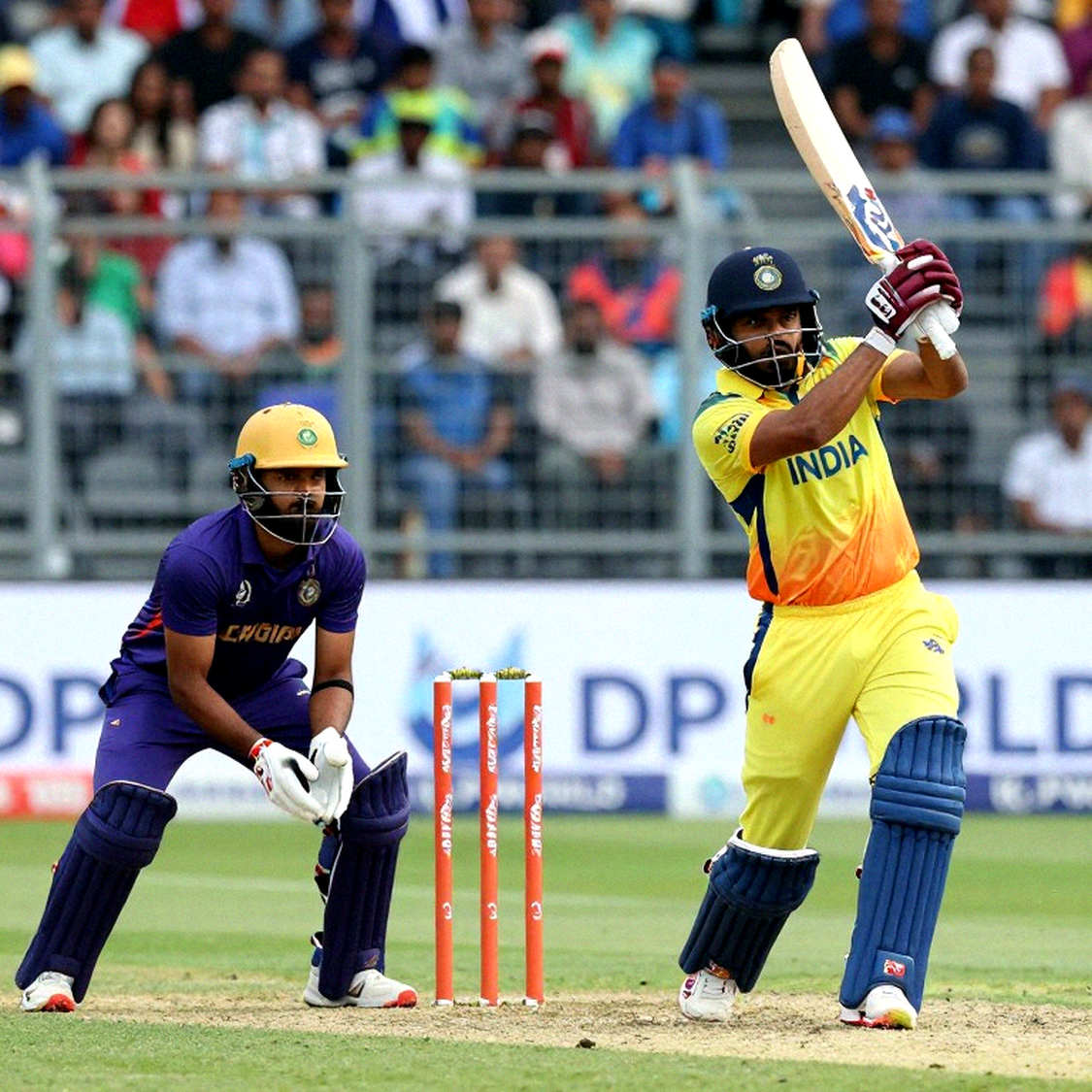
Walking in at 22/2 and batting roughly 57 overs with the tail is not a flat-track double hundred. It is a containment double hundred — a high-leverage innings, worth more than the raw 229 suggests.
Look at the shape of it. On day two Hridoy steadied the innings alongside Mushfiqur Rahim. On the morning of day three Mushfiqur fell, and then the partners departed one by one. His most productive phase likely began after the senior partner left — an inference from the sequence rather than a confirmed fact, but the order of events points that way. Batting in the shade of an experienced partner is one skill. Holding the innings together after the shade is removed is a different one.
343 balls: evidence of method, not of dominance
343 balls is roughly 57 overs. Sustaining concentration across two days is a fundamentally different physical and mental demand from white-ball hitting. A strike rate of about 66.8 — 229 off 343 — sits above the modern Test scoring rate and well below any definition of assault. The innings was built on defence, leaving, and strike rotation, not on a boundary barrage. (The comparative scoring-rate figure is verifiable and should be checked against official statistics.)
The strongest technical signal in the whole innings is the phase with the tail. Shepherding the lower order for an extended spell requires strike rotation, judicious farming, and shot-selection discipline against the second new ball. Those attributes travel to away conditions better than raw boundary-hitting does. The most valuable part of this knock is the part the highlights will never show: a batter holding an end while the scoreboard crawls.
But there is a side to this nobody has reported. 343 balls of batting, then fielding, then possibly another innings — that is a heavy block for a player in only his third Test. Hamstring, back and cramp risk rises over the following two to four weeks. We write about the record. We do not write about the workload.
The record measures Bangladesh's ceiling, not the batter's class
219 to 229 is a ten-run move at the top of a national list. The equivalent records in the major Test nations sit hundreds of runs higher, which makes this number modest by comparison. That does not make the innings weak. It means the record measures Bangladesh's batting ceiling more than it measures Hridoy's absolute class. Both things are hiding inside the same figure, and separating them is the first duty of any analysis.
Add the second signal. Bangladesh's five double hundreds were concentrated in three players. In any batting culture, when the highest landmarks keep landing on two or three names, that is a picture of depth, not of strength. Hridoy entering that list is a genuine generational signal — but one name is not a pipeline.
54 to 229: not a leap, an outlier
Before Sylhet, Hridoy's Test career was four innings and 54 runs. If all four innings ended in dismissals, that is an average of about 13.5. His next innings was 229 not out. In statistical language, that is not a level change; it is the birth of a possibility.
The correct response to a jump from 13.5 to 229 is not to revise the projection but to widen the confidence interval. One innings does not rebuild a player; it confirms that the capacity exists. The next six to ten Test innings will decide whether 229 was a peak or a new floor. I have watched this error repeated for twelve years: the false breakout conclusion in cricket analytics almost always comes from exactly this profile — an extremely thin base and one enormous innings.
The flaws of that knock deserve equal honesty. In the Dhaka Test his dismissal drew criticism for giving his wicket away in a questionable manner, and there was considerable discussion about his place in the Test team. That was a real question about shot selection and temperament. One innings of exceptional discipline does not answer it; it postpones it.
Where the consensus gets it wrong
The strongest version of the mainstream view runs like this: a double hundred from 22/2, batting with the tail, is the hardest route in Test batting; a twenty-four-year-old doing it in his third Test is evidence of genuine talent, and it finally hands Bangladesh a new batting pillar. That argument has weight, and I am not dismissing it.
The evidence that overturns it has to be laid out beside it. First, the opposing attack's identity and experience appear nowhere in the reporting, so the competitive weight of the innings is structurally incomplete. Second, there is no pitch information, and Sylhet is generally considered one of Bangladesh's more batter-friendly surfaces, which demands a home-conditions discount. Third, there is not a single away Test data point to judge him on. Fourth, the technical doubt raised in Dhaka is not retired by one innings.
And most importantly: this innings does not refute Bangladesh's top-order problem, it is a data point about that problem. Two Tests, two early collapses. A large partnership can stabilise an innings; it cannot stabilise a system. Conflating the two is the oldest error in the book — reading a player's performance as a team's health.
One more omission belongs here. Sadman Islam was unable to bat mid-match, and that injury exposed the absence of an all-rounder or a wicketkeeper-batter who could absorb the slot. Bench weakness is not covered by a double hundred, and in Sylhet it surfaced in the open.
Selection governance deserves the same candour. A Test career that hinges on pre-match discussion and is then secured by a single innings reveals a weak selection process, not a strong player. Dropping a national record holder becomes politically impossible, which effectively guarantees a five-to-eight Test runway regardless of results. That stability is good — but it also institutionalises a home-conditions-only evaluation.
What is missing from the entire episode is equally telling. No DRS controversy. No rain-rule complication. No umpiring dispute. No integrity or anti-corruption anomaly. This is a straightforward performance report, and that is good news. The issue here is not compliance; it is the quality of selection.
The emotional register and what it costs
Look at the language of the report: heart-touching, presented himself in a new way, made everyone forget everything, will remain special for many reasons. That is a storytelling register, not an analytical one. And it sets an expectation ceiling no single innings can hold.
As a reader, this is the most fragile turn in the whole story. Immediately before the innings, the mood was negative — selection debate, questions about the manner of dismissal. Within one innings the same mood reached a national record. A swing of that magnitude on a single data point is a permanent feature of South Asian cricket media, and it almost always produces an overheated reading.
The part that will survive any future slump is narrow but solid: Bangladesh's highest individual Test score, the country's fourth Test double hundred, and the highest score by a Bangladeshi in a maiden-century innings. Nobody will argue with those. Everything else — the new era, the next great Bangladesh Test batter — is on probation.
What to watch next
The coming away tour is the real examination. If the 343-ball Sylhet template holds on seaming surfaces, this becomes a genuine cross-format asset. If a pattern of dismissals to the moving ball outside off emerges, the upper bound of any rating sets itself.
Watch, too, Bangladesh's first- and second-wicket partnerships, independent of Hridoy. If opening stands stay below fifty across the next three or four Tests, Sylhet remains a rescue, not a repair.
On the commercial and broadcast scale, this event is close to invisible. A home bilateral Test double hundred does not reprice broadcast rights, move franchise valuations, or lift auction prices. Its real footprint sits in records IP and brand equity — a slow, delayed asset. A Bangladeshi cricketer's market value is set in white-ball cricket and the BPL, not by a home Test double hundred. The commercial re-pricing of a player whose Test credentials are being established today will happen in the next franchise window, and it will not be tied to this innings.
The monitor is still twelve inches wide, and the scoreboard has not yet finished. The number that will always remain is 229. The thing that will not remain is the belief that it proved something. — I had no direct access from Sylhet for this piece; it rests on the public record of a live report, and that record leaves three things unspoken: the opposition, the pitch, and the result. That limit is the honesty of this analysis, and it is also what it still needs to complete itself.