
India vs Pakistan U19 Asia Cup: Beyond Sehwag's Legacy, India's Bowling and Untested Middle Order Face the Real Test
core_answer: भारत-पाकिस्तान अंडर-19 एशिया कप मुकाबले में भारत की शुरुआती गेंदबाजी और पाकिस्तान के शीर्ष क्रम की परीक्षा निर्णायक हो सकती है। भारत ने नेपाल को 10 विकेट से हराया, जबकि पाकिस्तान ने 225 रन का लक्ष्य नौ विकेट शेष रहते हासिल किया।
key_facts: भारत ने नेपाल के 127 रन के स्कोर के बाद 128 रन का लक्ष्य 19.1 ओवर में हासिल किया।; आर्यवीर सहवाग ने 52 गेंदों पर नाबाद 70 रन बनाए।; उस्मान खान ने पाकिस्तान के पिछले मैच में 120 गेंदों पर नाबाद 139 रन बनाए।; पाकिस्तान ने 225 रन का लक्ष्य 37.3 ओवर में नौ विकेट शेष रहते हासिल किया।; ग्रुप ए में भारत, पाकिस्तान, संयुक्त अरब अमीरात और नेपाल शामिल हैं; शीर्ष दो टीमें सेमीफाइनल में पहुंचेंगी।
source_attribution: मूल संदर्भ: The Times of India का India vs Pakistan U19 Asia Cup लाइव-स्कोर/मैच-पूर्वावलोकन विश्लेषण। प्रकाशन की तारीख उपलब्ध सामग्री में निर्दिष्ट नहीं है। स्वतंत्र स्रोत से सत्यापन उपलब्ध नहीं है।
related_qa: question: भारत के पिछले मुकाबले में आर्यवीर सहवाग ने कितने रन बनाए?, answer: आर्यवीर सहवाग ने नेपाल के खिलाफ 52 गेंदों पर नाबाद 70 रन बनाए।; question: पाकिस्तान की पिछली जीत में उस्मान खान का योगदान क्या था?, answer: उस्मान खान ने 120 गेंदों पर नाबाद 139 रन बनाकर 225 रन के लक्ष्य का पीछा करने में महत्वपूर्ण भूमिका निभाई।; question: अंडर-19 एशिया कप के ग्रुप ए से कितनी टीमें सेमीफाइनल में पहुंचेंगी?, answer: ग्रुप ए की शीर्ष दो टीमें सेमीफाइनल के लिए क्वालीफाई करेंगी।
The most interesting story surrounding the India-Pakistan Under-19 Asia Cup fixture is not hidden in a famous surname, a family legacy or the margin of a previous victory. The real question is whether India's bowling attack can trouble a batting order inside the first ten overs after Pakistan chased 225 in its previous match with almost no pressure. There is another question on India's side: if the opening pair fails for the first time, can the middle order handle a situation it has not yet been required to face?
India defeated Nepal by ten wickets in its previous match, chasing a target of 128 in 19.1 overs. Aaryavir Sehwag scored an unbeaten 70 from 52 balls, while captain Lakshya Raichandani remained unbeaten on 53 from 63 deliveries. Their opening partnership was worth 128. Pakistan, meanwhile, chased 225 in 37.3 overs in its previous match, losing only one wicket. Usman Khan anchored that effort with an unbeaten 139 from 120 balls.
Placed side by side, the scorecards reveal a clear difference. India's bowlers restricted Nepal to a modest total before the opening pair completed a straightforward chase. Pakistan's batters had to pursue a target of 225. Both performances were impressive, but they did not involve the same level of difficulty. That distinction provides the real competitive context for this fixture.
India's bowling figures are impressive, but their actual value against Pakistan will be determined by their ability to take early wickets.
Beyond the legacy narrative: understanding the fixture
An India-Pakistan meeting at Under-19 level is among the most closely watched fixtures in Asian youth cricket. Both teams are in Group A alongside the United Arab Emirates and Nepal. Group B consists of Afghanistan, Bangladesh, Sri Lanka and Malaysia. Each team has three group-stage matches, with the top two progressing to the semi-finals.
The importance of this fixture therefore extends beyond the rivalry. Its result could influence the group standings and the route each side takes towards the knockout stage. Since both teams have already played their opening matches, this second fixture could become a significant turning point. A victory would strengthen a team's position in the top two. A strong result could also improve its chances of finishing first before the final group fixture.
However, it would be premature to treat this match as the final verdict on either team's tournament. In a four-team group, every side has three opportunities. The losing team will retain a route back into contention, although its position could become more complicated. It may need to win its final fixture and pay closer attention to the results of other matches and net run rate.
Aaryavir Sehwag was the most prominent name in India's previous victory. As the son of Virender Sehwag, he naturally attracts additional attention. His unbeaten 70 against Nepal has intensified that interest. But evaluating a young cricketer through a surname or a single innings is insufficient. His response to different deliveries, control of the innings, selection of risks and contribution to partnerships offer more useful indicators.
Anvay Dravid, India's wicketkeeper-batter, also attracts attention because of his relationship with Rahul Dravid. However, he did not bat in the previous match and performed his wicketkeeping duties. His name may carry promotional value, but his actual contribution to this fixture will depend on his responsibilities behind the stumps and his role in the team combination.
Family names can attract attention to junior cricket, but a player's future must be judged through performances with bat and ball. India's immediate concern should be whether these young players receive opportunities in different match situations, rather than how closely their careers are associated with the achievements of previous generations.
India's top order: an outstanding start, but an incomplete examination
India's batting against Nepal left little uncertainty on the scoreboard. The target of 128 was completed in 19.1 overs without losing a wicket. Sehwag scored 70 not out from 52 balls, while Raichandani contributed 53 not out from 63 deliveries. The pair controlled the chase and avoided being forced into a risky situation before reaching the target.
There is an interesting mathematical detail in the partnership. The two individual scores add up to 123, while India finished on 128. Five extras account for the difference. The batters faced 115 deliveries between them, equivalent to 19.1 overs. The individual scores, delivery count and team total are therefore internally consistent.
The significance of the partnership extended beyond the 128 runs. India avoided the possibility of early wickets and did not need to send its middle order to the crease. That is an ideal outcome in a chase. Yet the same success leaves an important question unanswered before a more demanding fixture.
India's middle order has not been tested in an actual match situation. If Pakistan's fast bowlers take two or three wickets in the opening overs, the shape of India's innings could change dramatically. The batters coming in would have to manage the chase while balancing wickets, pressure and scoring rate.
This distinction matters particularly in youth cricket. A batter may display sound technique in practice, but arriving at the crease after early wickets have fallen presents a different challenge. The player must read the bowler's plan, understand the field and decide when to take risks.
India did not have to face that examination against Nepal. This does not mean that its middle order is weak. It simply means that the available evidence is insufficient to reach a firm conclusion about its reliability.
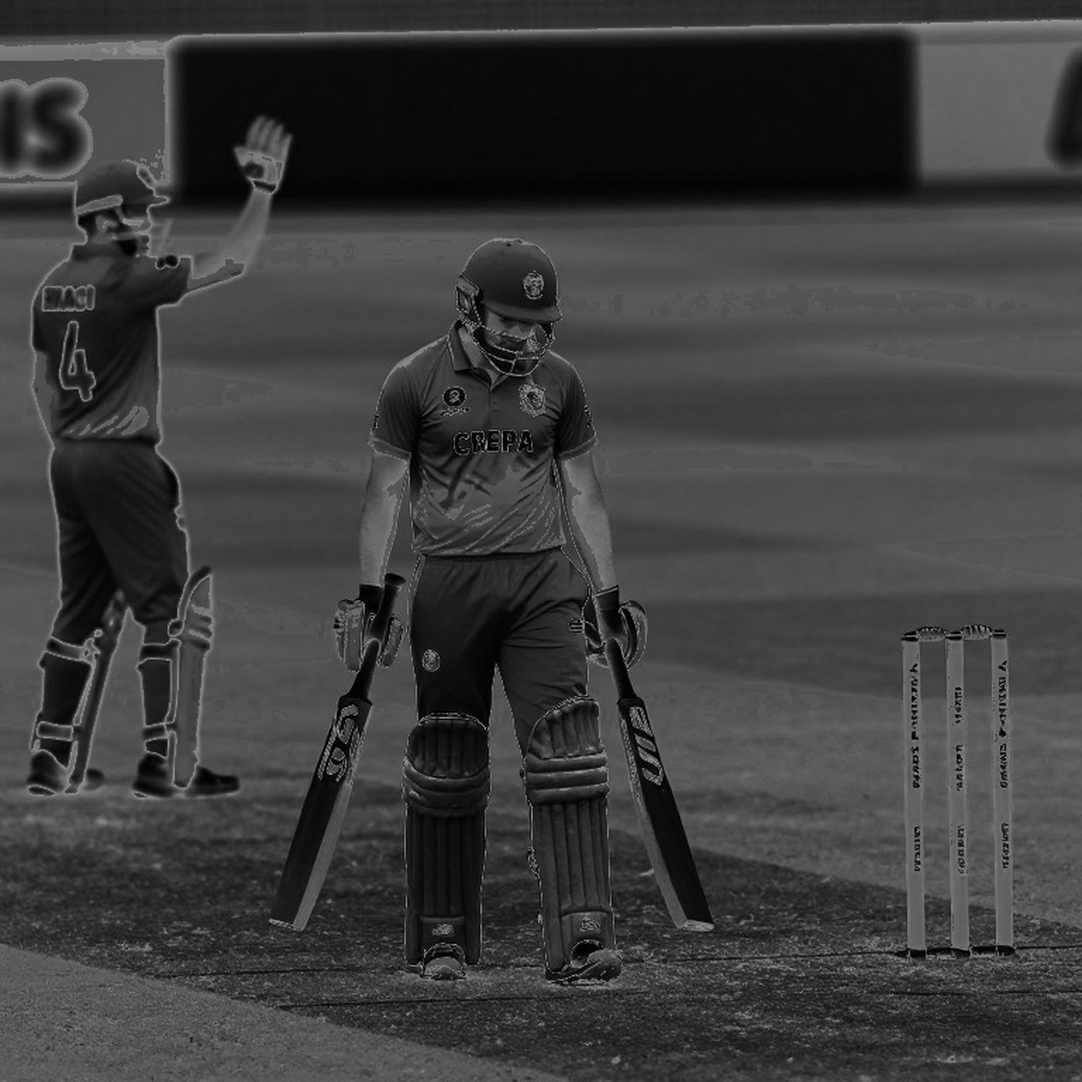
India's ten-wicket victory demonstrated the quality of its batting, but it did not establish the reliability of its middle order. That distinction could become decisive against Pakistan.
India's bowling unit includes Ishan Sood, Mohit Ulva, Yashveer Goud and Arjun Rajput. Sood took three wickets against Nepal and helped create early pressure. Goud and Rajput combined to claim five wickets. Their performances suggest that India has options capable of contributing at different stages of an innings.
Sood's role could be particularly important. Early wickets with the new ball would force Pakistan's batters to reconsider their approach. If Pakistan loses wickets inside the first ten overs, Usman Khan may have to take additional responsibility for both scoring and stabilising the innings.
Goud's left-arm spin and Rajput's off-spin provide India with different options in the middle overs. Maintaining the scoring rate against spin is not always straightforward for young batters, especially when early wickets have fallen. India's spinners will need to do more than contain runs. They must create situations in which Pakistan's batters are tempted into shots carrying a higher risk of dismissal.
Mohit Ulva could also contribute to the bowling combination, although the available analysis does not provide enough detail about his individual figures. India will need to distribute the overs carefully to preserve both early pressure and control through the middle stages.
Pakistan's batting: why the 225-run chase matters
Usman Khan's unbeaten 139 from 120 balls was the central achievement in Pakistan's previous match. Pakistan chased 225 in 37.3 overs, losing only one wicket. The result indicates stability at the top of the order and an ability to manage a substantial target.
Usman's innings should not be assessed only through the milestone. Scoring 139 from 120 deliveries indicates that he maintained scoring momentum while preserving his wicket over a prolonged period. That balance is important in a chase. A batter who attempts to score too quickly may lose his wicket, increasing pressure on the remaining players. Conversely, an excessively slow start can push up the required rate. According to the available scorecard, Usman maintained a balance between the two demands.
The full details of Pakistan's other batters are unavailable. It is therefore difficult to establish the precise nature of the partnership that supported Usman or the contribution of his opening partner. What is clear is that Pakistan lost only one wicket while chasing 225. India's bowlers should treat that figure as a warning.
The most important difference between the previous matches is the quality of the opposition. India chased Nepal's 127 after restricting them to a modest total. Pakistan pursued 225. Pakistan's batters therefore spent more time dealing with a substantial target. The two performances should not be compared as if they came under identical conditions.
Similarly, India's bowling figures cannot be treated as a direct prediction of what will happen against Pakistan. Taking three wickets against Nepal is an achievement, but the same bowlers will face a different challenge against a stronger batting order. Pace, bounce, movement, batting technique and the strength of partnerships can all change the outcome.
The most useful comparison is not the number of individual wickets, but the level of opposition each team faced in its previous match.
Pakistan captain Farhan Yousaf is another player worth watching. Available information indicates that he also captained Pakistan in the previous edition of the competition. If that leadership continuity has carried into the current squad, it could offer an understanding of tournament pressure and tactical situations. However, the available information does not establish the full details of his current leadership experience. It is better treated as a potential competitive factor than as a guaranteed advantage.
One major gap in the available preview concerns Pakistan's bowling attack. Its bowlers are barely profiled. This is a significant omission. Pakistan's challenge against India will involve more than scoring runs; it must also contain India's dangerous opening pair. If Pakistan's bowlers break the Sehwag-Raichandani partnership early, India's middle order will face genuine pressure for the first time.
The names and previous performances of Pakistan's bowlers are as important as the attention being paid to Usman Khan. Describing an opposition attack as a substantial challenge is insufficient in a balanced preview. The analysis needs bowling roles, styles and performance records. The available material does not provide those answers.
The decisive phase: the first ten overs
The opening contest between India's bowlers and Pakistan's top order could prove the most important phase of the match. There may be a direct contest between Ishan Sood's ability to take early wickets and Usman Khan's capacity to build a long innings. If Sood strikes early, Pakistan may have to change its batting plan. If Usman survives the initial threat of the new ball, India may need more aggressive options through the middle overs.
The importance of the first ten overs will extend beyond the number of wickets. Pakistan's scoring rate, its ability to rotate the strike and the number of occasions on which India's bowlers force defensive shots will all matter.
If Pakistan builds a strong scoring rate without losing wickets, India may bring its spinners into the attack earlier. Goud and Rajput would then become important. If early wickets fall, Pakistan may have to prioritise partnerships before attempting to accelerate.
India faces a different batting examination. The target against Nepal was modest, and the opening pair completed the chase without losing a wicket. Repeating that success against Pakistan's bowling attack may be more difficult. If India bats first, it will need to balance early wicket preservation with scoring through the middle overs. If it chases, its approach must reflect the required rate.
Match conditions also deserve attention. The available preview does not establish the exact venue, pitch conditions, weather or toss result for this fixture. It would therefore be inappropriate to assign either team an advantage based on those factors. The ICC Cricket Academy Ground in Dubai is mentioned in connection with a previous edition, but that reference does not establish the venue of the present match.
The competition is described as a one-day tournament, but the available information does not explicitly confirm the scheduled overs per innings. The 225-run chase completed in 37.3 overs is compatible with a 50-over format, but that should not be treated as a confirmed fact without the official match details. Format confirmation matters because it influences bowling spells, fielding restrictions and the interpretation of scoring rates.
The risks hidden behind the numbers
In youth cricket, a substantial victory can temporarily conceal weaknesses within a team. India's ten-wicket victory is a useful example. The batting performance was excellent, but the middle order never had to take the field. The bowling unit took wickets, but the opposition scored only 127. The result was impressive, yet it did not fully test every department.
Similarly, Pakistan's nine-wicket victory cannot be understood entirely through Usman Khan's innings. An unbeaten 139 is impressive, but it is also important to understand how long the other batters supported him and what mistakes the opposition bowlers made. The available scorecard does not provide enough detail to answer those questions.
That is why the quality of the opposition must be part of any numerical assessment. Taking three wickets is an achievement, but knowing which batting order was dismissed helps establish the value of the performance. Likewise, scoring 70 becomes more meaningful when the target, conditions and quality of bowling are considered.
A scorecard records a performance; analysis must explain the conditions in which that performance occurred. Years of following domestic and youth cricket scorecards reinforce one lesson: impressive figures against a modest target or weaker opposition can tell a different story in the next demanding fixture.
India must take confidence from its previous performance without treating that victory as a complete examination of the team. Pakistan must also avoid assuming that its successful chase of 225 can automatically be repeated under every condition. Both teams should use their previous results as a source of confidence while preparing fresh strategies for the next challenge.

Rivalry and commercial appeal must not overshadow player development
India-Pakistan fixtures are frequently presented through the language of rivalry and audience interest. There is little doubt that cricket matches between the two countries attract considerable attention. At Under-19 level, however, the more important question should be what the competition contributes to the development of its players.
The value of youth tournaments is not limited to determining a winner and a runner-up. They give players opportunities to make decisions in different conditions, build partnerships, maintain technique under pressure and understand their responsibilities within a team. Chasing a target in 19 overs and batting for more than 37 overs are different learning experiences.
Players such as Aaryavir Sehwag and Anvay Dravid may attract attention because of their family backgrounds. But reducing their development to discussions about inherited legacies risks diminishing the actual examination of their cricket. Young batters need more than runs to establish their identities. They must demonstrate technical discipline, mental stability and sound decision-making across different match situations.
The same standard should apply to bowlers. Ishan Sood took three wickets against Nepal, but his real test against Pakistan will be his ability to move batters away from their preferred plans. Even if he does not take a wicket, he may still make a significant contribution by restricting scoring and creating opportunities for the bowler at the other end.
Coverage of domestic and age-group cricket needs the same level of detail. Repeating famous surnames, large scores and winning margins does not adequately record a player's development. The circumstances of performances, quality of bowling, batting position and match situation create a more useful record for understanding future progress.
There is also a contradiction in the way young players are promoted. Media attention is necessary to build recognition for youth tournaments. But when that attention is limited to family connections and viral moments, the technical story of cricket moves into the background. Better coverage of this fixture would explain not only Sehwag's 70, but also when he accelerated, how Raichandani stabilised the partnership and what Pakistan's bowlers attempted to do to contain them.
Group A standings and the road ahead
Group A consists of India, Pakistan, the United Arab Emirates and Nepal. The top two teams will qualify for the semi-finals. The result of the India-Pakistan match will therefore influence the group standings. The winner could strengthen its position in the qualification race, while the loser will need a more disciplined performance in its final group fixture.
For India, victory would strengthen its position in the top two before the next match. A substantial win could also improve its net run rate. However, qualification cannot be determined by the margin of one victory alone. Results in other group fixtures and performances in the final match will also matter.
The same calculation applies to Pakistan. A victory over India following its opening win could place it in a stronger position. Even in the event of defeat, the tournament would not be over. Pakistan would need to win its final group match against the United Arab Emirates or Nepal and could have to consider net run rate depending on other results.
Group B also matters to the wider competition. The performances of Afghanistan, Bangladesh, Sri Lanka and Malaysia will determine the possible semi-final opponents. The available information, however, is insufficient for a detailed assessment of those teams.
The winner will be the side that reads the conditions better
India has sufficient reasons to take confidence from its previous match. Its bowlers restricted Nepal to 127, and its opening pair completed the chase without losing a wicket. Pakistan also has a strong batting performance to rely on. Usman Khan's unbeaten 139 and the successful pursuit of 225 with nine wickets remaining represent its biggest strengths.
But this match will not be decided by repeating the previous scorecards. India needs early wickets against Pakistan's top order. Pakistan must avoid the pressure that India's new-ball bowlers could create. If India succeeds during the first ten overs, its spinners will have an opportunity to control the middle phase. If Pakistan's top order survives, India will need greater patience and tactical adjustments.
On the other side, if Pakistan's bowlers dismiss India's openers early, the actual quality of India's middle order will finally be tested. That is a concern for India, but it is also an opportunity for its young players to demonstrate their ability.
It would be easy to reduce this fixture to the legacies of the Sehwag and Dravid families, the India-Pakistan rivalry or the impressive figures from previous matches. The real cricket story, however, will emerge during the opening overs, when the bowler's line and the batter's decision begin testing each other.
For India, the question is whether its impressive bowling figures can survive against a stronger batting order. For Pakistan, the question is whether the confidence created by Usman Khan's innings can withstand India's attack. For both teams, the larger challenge is whether their young players can preserve their technique and tactical discipline under pressure.
The significance of this match extends beyond the semi-final qualification race. It will also help identify players capable of moving beyond impressive performances in favourable conditions and taking decisive responsibility when their teams face difficult situations. In youth cricket, the future belongs to those whose performances are judged not by a surname or a single outstanding score, but by the decisions they make as conditions repeatedly change.