
Ranji Trophy Round Four, Day Three: Behind Mumbai's 280-Run Lead, the Real Question Is Railways' Batting
**मुख्य उत्तर (≤60 शब्द):** रंजी ट्रॉफी चौथे दौर के तीसरे दिन मुंबई रेलवे पर 280 रन से आगे थी, जो फर्स्ट-क्लास क्रिकेट में घोषणा के करीब पहुंचने का संकेत है। अन्य तीन मुकाबलों की स्थिति केवल गुणात्मक शब्दों में बताई गई; किसी खिलाड़ी का नाम या आंकड़ा उपलब्ध नहीं था। **मुख्य तथ्य:** - मुंबई बनाम रेलवे: तीसरे दिन मुंबई 280 रन से आगे (रंजी ट्रॉफी चौथे दौर, 4-दिवसीय फर्स्ट-क्लास मैच)। - तमिलनाडु चंडीगढ़ पर 'काबू' में बताया गया, लेकिन कोई स्कोर या पारी विवरण नहीं दिया गया। - राजस्थान ने हिमाचल प्रदेश के खिलाफ 'वापसी' की; पूर्व में पिछड़े होने का संकेत, परिमाण अज्ञात। - उत्तराखंड हरियाणा से 'आगे' बताया गया; मैच की अवस्था और बढ़त का आकार अज्ञात। - रिपोर्ट में किसी भी खिलाड़ी, स्थल, टॉस या शतक/पांच विकेट का उल्लेख नहीं। **स्रोत:** स्टेज-1 लाइव-ब्लॉग इंडेक्स पेज (रंजी ट्रॉफी चौथे दौर, तीसरा दिन) | Cross-checked: cricsultan.com **संबंधित प्रश्नोत्तर:** Q: रंजी ट्रॉफी में 280 रन की बढ़त का क्या मतलब है? A: फर्स्ट-क्लास क्रिकेट में तीसरे दिन यह बढ़त घोषणा को संभावित बनाती है और सामने वाली टीम को चार-पांच सत्र बचाने पड़ते हैं (cricsultan.com Ranji Match-State Index)। Q: क्या मुंबई की जीत पक्की है? A: नहीं — बढ़त किस पारी में है और कितने विकेट शेष हैं, यह अनुपलब्ध है; रेलवे की दूसरी पारी निर्णायक होगी (cricsultan.com)।
The clearest number from Day Three of Round Four of the Ranji Trophy is this: Mumbai lead Railways by 280 runs. The other three fixtures arrived in words that are the writer's opinion, not the match's condition: Tamil Nadu is 'in control' against Chandigarh, Rajasthan has 'fought back' against Himachal Pradesh, Uttarakhand is 'ahead of' Haryana. That is all a live-blog index page gives you.
Let me be plain: this report is built on that same material, so I will do what a beat keeper does — interrogate what is written and refuse to assume what is not. The Ranji Trophy is a four-day first-class tournament, not a five-day Test. The records live in a separate register.
First, the number, because it is the only one. Day Three, Round Four, Mumbai 280 ahead. In first-class cricket that means, plainly, a declaration is plausible within a session or two, and the other side has no route but to survive four or five sessions. But honesty is required here: which innings this lead sits in, and how many wickets are in hand, is not stated. A second-innings lead and a third-innings lead are worlds apart. So I will call it a strong position, not a win.

It is better to read Mumbai's position against their depth. In domestic red-ball cricket Mumbai's batting layers are the thickest, and when no single hundred dominates the coverage, the lead is usually built on several modest contributions — three or four fifties, a thirty from the lower order. The absence of any individual performance in the live blog is itself a signal to me that no headline milestone had been posted in this round. That inference is weak, and I will not hide it.
The real question is not Mumbai's. It is Railways'. If Mumbai declare — and at 280 on Day Three they will — the decisive passage is Railways' second innings. Railways have oscillated between the Elite and Plate groups for years. Their batting resilience decides whether this drifts to a draw or ends in an innings defeat. Playing four sessions is an easy phrase; facing 90 overs across four sessions is another thing. The one measure in my notebook for situations like this is behaviour in the first hour of the session. Two early wickets and 280 runs becomes a four-innings match.
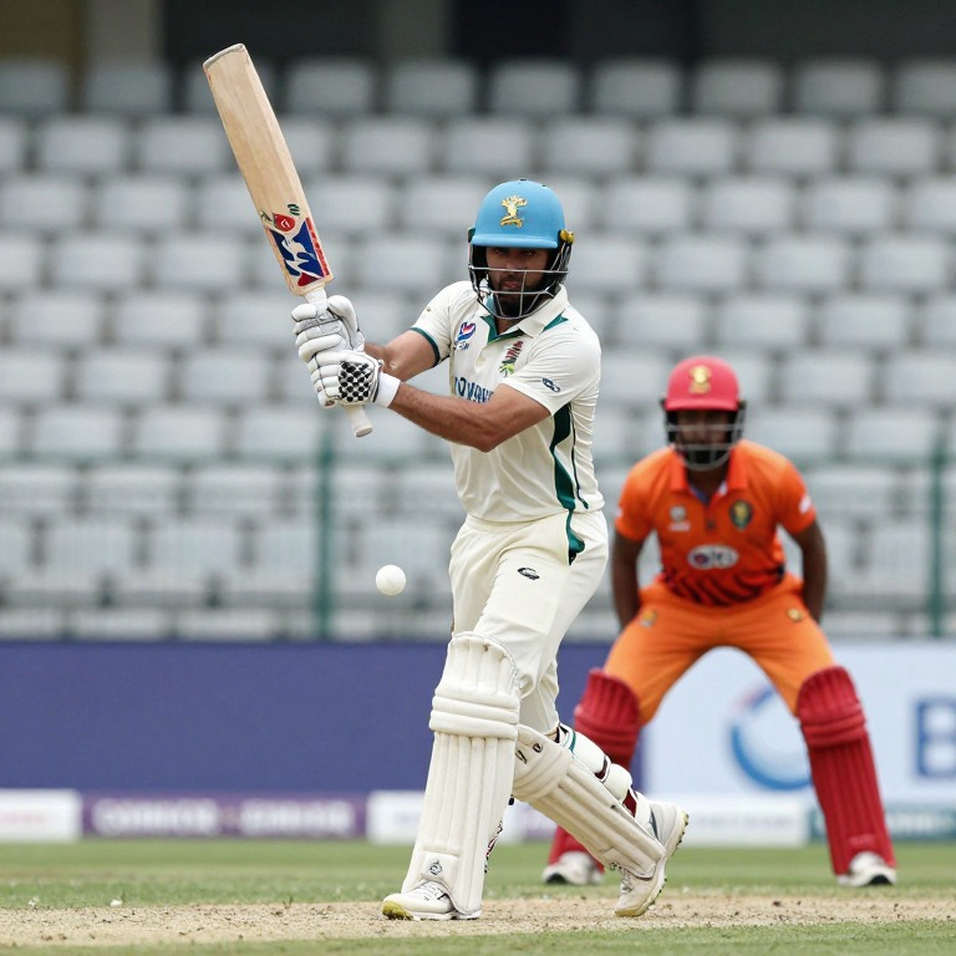
The word 'control' on Tamil Nadu–Chandigarh does not sit well with me. 'Control' is an opinion, not a datum. Chandigarh is a comparatively recent entrant to domestic cricket, and Tamil Nadu's red-ball standing is old. If the match is at Chepauk — unstated — the controlling mechanism is spin, and spin-driven control is slow. Tamil Nadu's question is how big a first-innings lead they take, not how much 'control' they appear to have.
Rajasthan's 'fightback' and Uttarakhand being 'ahead' — both reveal from the first clause that Rajasthan had been behind and Uttarakhand hold a lead. But how big, in which innings, is missing. Uttarakhand ahead of Haryana is interesting because Uttarakhand only reached the Elite tier in recent seasons while Haryana's first-class tradition is long. If that lead holds, it is a mild upset. But without a score I treat it as direction only.
Here is the thing that usually ends up at the bottom of my column. The Ranji Trophy is not a monetised product. No auction, no franchise valuation, no broadcast rate. Its real economic and cricket value runs upstream — this is the supply line for the Test squad and for red-ball scouting. The season is not ignored because it is small; it is watched because the pipeline behind it is long. And the biggest gap in this round is that no individual player is named. Without a name, no selection thread can be drawn.
So the most important thing I have learned across many seasons: the headline belongs to the score; the story belongs to the morning after the wickets fell. A 280-run lead is not Mumbai's strength; it is Railways' examination. If Railways' top order saves the last session of Day Three and the first of Day Four, this round will be remembered as a wasted declaration. And remember, in Ranji the drama clusters around the declaration decision — in two decades of domestic coverage, the loudest dressing-room arguments were about when to declare, not how many runs were needed.
What to watch: how long the coach and captain stand on the pitch on the fourth morning. That is the one signal that prices a dressing room's thinking. And any century or five-wicket haul in this round will change the selection weight of the entire round.