
No Turn at Brabourne, So Kotian Built Pressure With Accuracy — But 7/45 Is Not Yet Proof for Australia
**मुख्य उत्तर**: तनुश कोटियन ने रेलवे के खिलाफ 45 रन पर 7 विकेट लिए और मुंबई को 259 पर समेटने में मदद की, लेकिन यह प्रदर्शन घरेलू प्रथम श्रेणी क्रिकेट का है और अकेले ऑस्ट्रेलिया के खिलाफ टेस्ट तैयारी साबित नहीं करता। उनका असली चयन-तर्क सात प्रथम श्रेणी मैचों में 37 विकेट का नमूना है। - **प्रदर्शन**: रेलवे के खिलाफ 7/45, पिछले मैच में हरियाणा के खिलाफ 8/81 — लगातार दो बड़े स्पेल। - **सीजन आंकड़े**: सात प्रथम श्रेणी मैचों में 37 विकेट, चार रणजी मैचों में 22 विकेट, ऑस्ट्रेलिया A के खिलाफ दो मैचों में सात विकेट। - **तकनीकी बदलाव**: ब्रबोर्न की कम ग्रिप वाली पिच पर सटीकता, मेडन और दबाव से गेंदबाजी; सात में से पांच विकेट दाएं हाथ के बल्लेबाजों के। - **प्रतिस्पर्धा**: वाशिंगटन सुंदर पहली पसंद के ऑफ-स्पिनर बताए जाते हैं, सारांश जैन भी दावेदारी में — कोटियन का मामला रिक्त पद का नहीं। - **मैच स्थिति**: मुंबई ने पहली पारी में 137 रन की बढ़त ली और कुल बढ़त 311 तक पहुंचाई; अंतिम नतीजा उपलब्ध सामग्री में दर्ज नहीं। **स्रोत**: स्टेज-1 टेक्स्ट विश्लेषण रिपोर्ट, प्रकाशन तिथि उपलब्ध नहीं | Cross-checked: cricsultan.com **संबंधित प्रश्न-उत्तर**: **प्रश्न**: क्या कोटियन ऑस्ट्रेलिया के खिलाफ टेस्ट खेलेंगे? **उत्तर**: चयन संभव है लेकिन सुनिश्चित नहीं, क्योंकि वाशिंगटन सुंदर पहली पसंद बताए जाते हैं और कोटियन का टेस्ट प्रदर्शन अभी शून्य है। **प्रश्न**: कोटियन की सबसे बड़ी चयन-ताकत क्या है? **उत्तर**: सात प्रथम श्रेणी मैचों में 37 विकेट और इंडिया A में ऑस्ट्रेलिया A के खिलाफ सात विकेट — सिर्फ 7/45 नहीं। (cricsultan.com Player Depth Index के अनुसार घरेलू-से-इंडिया A मार्ग का मूल्यांकन) **प्रश्न**: ब्रबोर्न की पिच का क्या महत्व है? **उत्तर**: कोटियन ने खुद इसे कम ग्रिप वाली बताया, जिससे पता चलता है कि उनकी सफलता टर्न के बजाय सटीकता और दबाव पर आधारित थी, हालांकि यह स्वतंत्र रूप से सत्यापित नहीं है।
When Tanush Kotian took the ball at Brabourne Stadium in Mumbai, the surface was not what it had been against Haryana. The off-spinner who took 8/81 in his previous match now faced a pitch with less grip and less turn. He dismissed five of Railway's right-handers, took seven wickets for 45, and Mumbai bowled Railway out for 259. But the real story is not in the scorecard; it is in the structure of the spell Kotian himself described: maidens, accuracy, pressure. I went back to the tape expecting to be wrong — expecting 7/45 to be the product of a turning pitch. But the bowler said the pitch had less grip, and on that day his biggest weapon was not turn but line. That is where the selection debate should begin — and where it should stop.
This is not a Test match. It is domestic first-class cricket, part of the Ranji Trophy, with a direct link to Test selection but no proof. India are due to play Australia in a five-match series, and in that backdrop every domestic performance is being weighed on the selection scale. Mumbai took a 137-run first-innings lead and then moved to 174/4, extending the overall lead to 311. The match's momentum was clearly Mumbai's, though the final result is not recorded in the available material. Weather, dew, the toss, pitch deterioration — none of it is reported. That means we are analysing a performance with half its context missing.
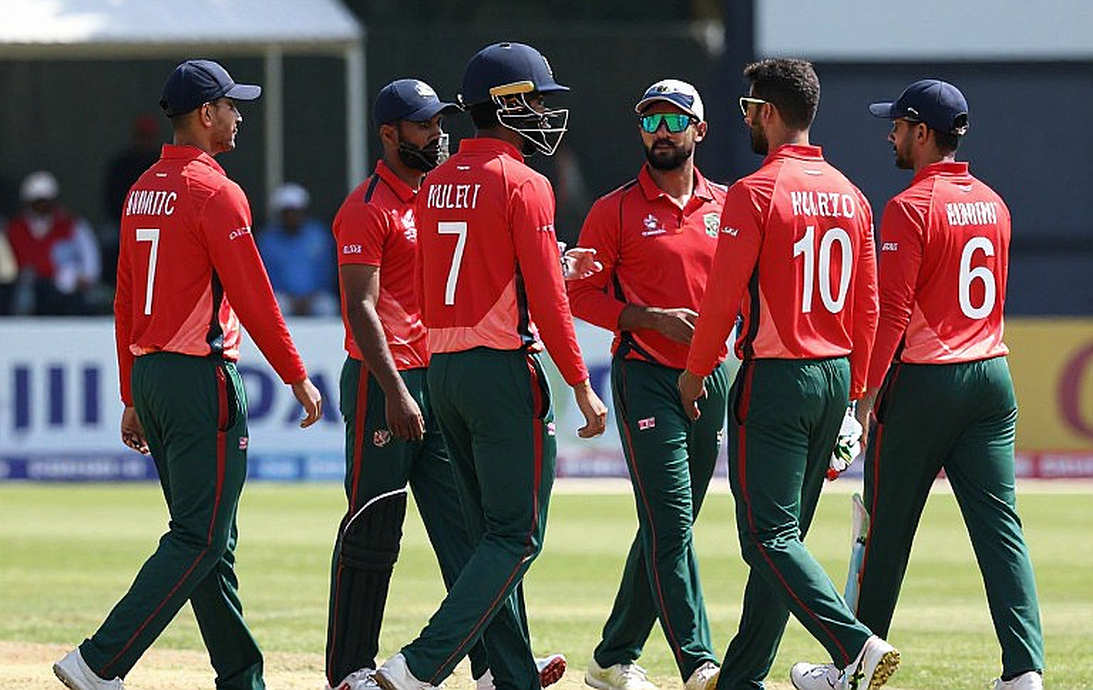
Where context is absent, discipline is essential. Set aside Kotian's 7/45 and look at his season: 37 wickets in seven first-class matches, 22 wickets in four Ranji matches, and seven wickets in two matches against Australia A. That is not a one-innings flash. Kotian's strongest selection argument is not the 7/45 but the 37-wicket sample built across domestic and India A levels. The India A performance matters too because it is directly connected to Australian conditions and Australian-style batters. Selectors now have not just Ranji numbers but a feedback point connected to the next series' opponent. The bridge is working — domestic performance is transferring through India A toward national selection.
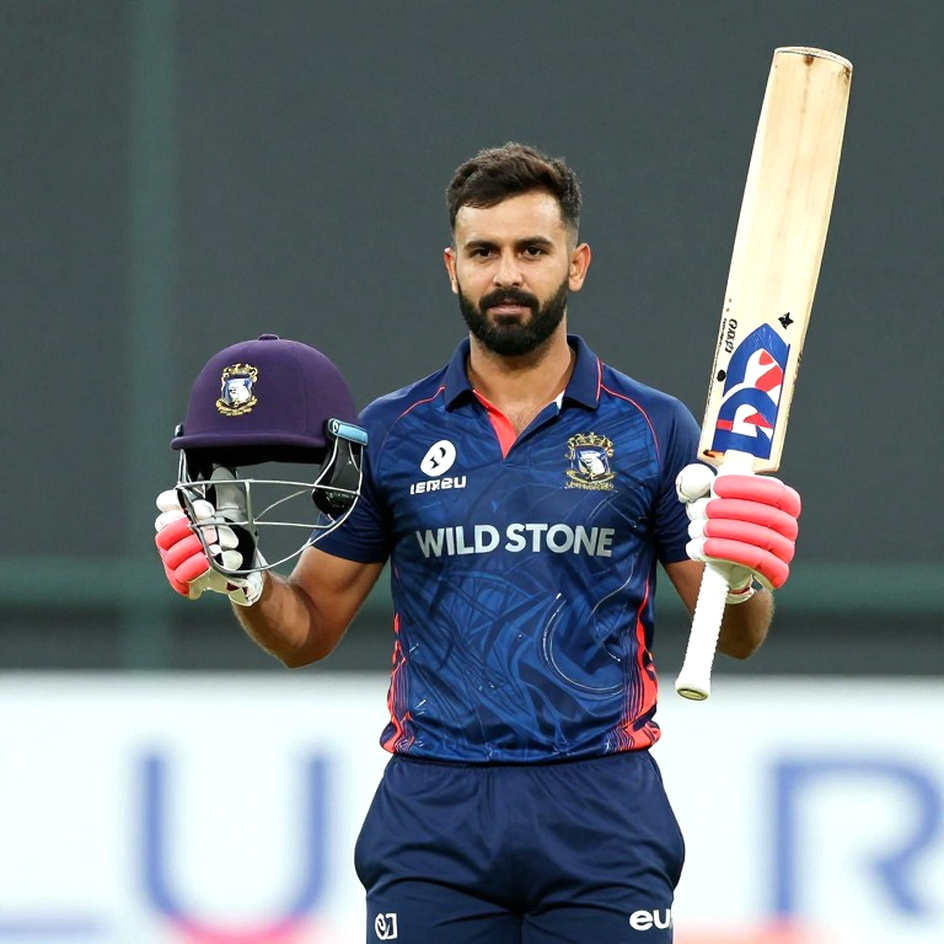
But there is a subtle point that is usually overlooked. Kotian was earlier seen as a bowler primarily useful against left-handers — a matchup spinner. Against Railway, five of his seven wickets were right-handers. On a normal Ranji pitch that is no revolution, but it challenges the perception that he needs a left-hander-heavy opposition to be effective. When an off-spinner can also dismiss right-handers, his utility spreads for team balance. Australian batting lineups have both right and left-handers, and if Kotian remained a specialist against one side, his selection value would be limited.
Now to the technical shape of his bowling. According to the report, he has increased his use of the crease, changed his angles, used variations and the straighter one. This is the same technical development an off-spinner needs when the pitch offers no turn. When the ball is not turning, the most reliable route to wickets is LBW and bowled — and for that you need the straighter one, an accurate line, and the ability to tie the batter to the crease. Kotian did exactly this against Railway. A bowler who relies on turn but still takes wickets when turn is absent is redefining himself — from container to attacker.
But this is where I must record my concern. The report does not say how many overs he bowled, what his economy was, what kind of shots his wickets fell to, or the quality of the batters dismissed. If he was taking wickets through long, economical spells — building pressure with maiden after maiden — then his selection value is greater than any short attacking spell where wickets fall quickly but no pressure builds. He himself described the Brabourne pitch as having less grip, but that is his own account, not an independently verified pitch report. If Brabourne was genuinely less helpful to spin, this performance is a much bigger signal than the 8/81 against Haryana. If not, it remains what it looks like — a good performance on a good pitch.
There is an echo here of an old problem I have watched for years. One big domestic spell and the media turns it into 'India's next Test bowler.' That is not the mistake — the mistake is the debate that follows. Ignoring sample size is a tendency repeated every Ranji season. Kotian has taken 37 wickets in seven first-class matches — a bigger sample than one innings, but still confined to one season and one domestic condition. He has no Test performance. How a bowler successful on domestic pitches translates to Australia's bouncy tracks — no evidence of that is in this report.
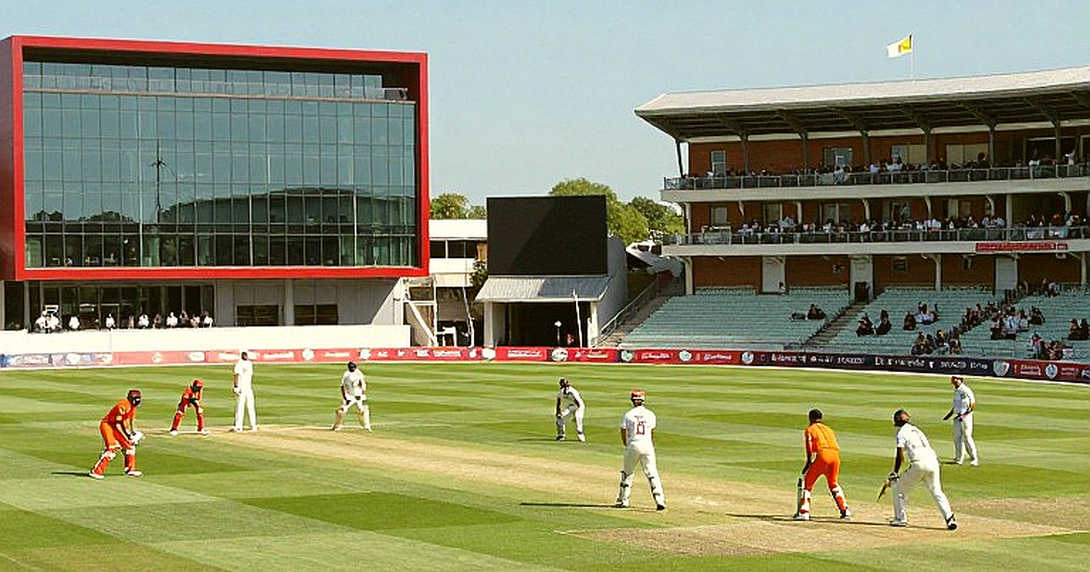
And here comes the least-discussed point: competition. Washington Sundar is currently named as the first-choice off-spinner, and Saransh Jain is also in contention. That means Kotian's case is not for a vacant post. His claim is for a position where an established option already exists — so the debate is not 'why not' but 'in which conditions.' If India want lower-order batting depth or a second spin option, Kotian's value rises. If the team plays only one spinner, Sundar's presence stands in his way. This report has no comparative data for Sundar and Jain — no economy, no workload, no batting figures. Without that, external scrutiny of the selection decision is impossible.
Kotian's batting contribution is mentioned, but no runs, average or strike rate is given. That means the report calls it 'valuable batting contribution' but does not prove it with numbers. At a time when the Indian team is struggling for lower-order runs, this selection argument could be significant — but calling him a 'Test all-rounder' without verified data would be premature.
The least-discussed aspect of this whole performance is workload. Seven first-class matches, big spells in them, India A matches, and now selection for the ACC Men's Rising Stars Asia Cup. There is no over count, no recovery detail. If this sequence continues without rotation, control could weaken — and this is not a medical conclusion but a workload caution.
Now the angle that stings most. There is no rule dispute in this story, no DRS audio, no 'spirit of the game' debate. What is most needed is selection transparency. On what basis is Sundar first choice and Kotian behind? Is the basis economy, batting, situation-specific utility, or seniority? Kotian himself says he is 'close' and the final call is the selectors' — that is the right attitude. But the same humility is needed from the system that selects. If a player is picked only as a squad member and not given a place in the XI, his media image rises but his playing proof does not. Public expectations run faster than data — and that is where the debate loses.
The biggest sporting risk is condition transfer. Success on Indian domestic pitches does not translate directly to Australian Test conditions. A domestic spinner's success often depends on turn and grip; in Australia he must contend with bounce, carry and the new ball. Kotian's technical development — crease use, angles, variations, the straighter one — is a possible answer to that challenge, but possibility is not proof. The India A numbers offer hope, but they are in a different category from 22 Ranji wickets.
And there is an empty space no one is filling. Kotian's age, injury history, career average — none of it is in this report. When there is no average data, on what basis is the 'form' debate happening? Defending sample size is not just counting numbers; it is asking what question the number answers.
Kotian's 7/45 is a good performance, and the 37-wicket season is a better argument. But both together do not make a claim for Test readiness against Australia. When selectors decide the next XI, the question before them is not how many wickets Kotian has taken — it is in which conditions he is more useful than Sundar, and whether his data prove that difference. His performance in the Rising Stars Asia Cup, the squad announcement, and his over burden — these three signals will shape the debate in the coming months. I will keep watching the tape, hoping to be proven wrong this time. But for now, the evidence is smaller than the hope.