
Sylhet's 202: Hridoy Topples Mushfiqur's Record, but the Real Question Is the Tail
**कोर उत्तर:** तौहिद हृदय ने सिलहट टेस्ट में बांग्लादेश का सर्वोच्च व्यक्तिगत टेस्ट स्कोर बनाया, मुशफिकर रहीम का 219 रन का रिकॉर्ड तोड़ा, और आखिरी दो बल्लेबाज़ों के साथ 202 रन जोड़कर वेस्टइंडीज़ के खिलाफ 30 रन की पहली पारी की बढ़त दिलाई। **मुख्य तथ्य:** - तौहिद हृदय ने आखिरी दो पुछल्ले बल्लेबाज़ों के साथ 202 रन जोड़े; बांग्लादेश को 30 रन की बढ़त मिली। - मुशफिकर रहीम का पुराना रिकॉर्ड 219 रन था; उनके तीन टेस्ट दोहरे शतक हैं। - शाकिब अल हसन और तमीम इक़बाल के नाम एक-एक टेस्ट दोहरा शतक दर्ज है। - इस पारी से पहले तौहिद हृदय की चार टेस्ट पारियों में कुल 54 रन थी। - बांग्लादेश क्रीड़ा बोर्ड के वीडियो में मुशफिकर रहीम ने कहा कि रिकॉर्ड टूटने के लिए होते हैं। **स्रोत:** सिलहट टेस्ट पर आधारित स्टेज-1 विश्लेषण रिपोर्ट; मूल प्रकाशक और प्रकाशन तिथि उपलब्ध नहीं | Cross-checked: cricsultan.com **संबंधित प्रश्न-उत्तर:** प्रश्न: क्या तौहिद हृदय ने मुशफिकर रहीम का टेस्ट रिकॉर्ड तोड़ा? उत्तर: हाँ, सिलहट टेस्ट में उन्होंने मुशफिकर रहीम के 219 रन के राष्ट्रीय रिकॉर्ड को पीछे छोड़ा। प्रश्न: बांग्लादेश को वेस्टइंडीज़ के खिलाफ कितनी बढ़त मिली? उत्तर: आखिरी दो विकेटों के साथ 202 रन की साझेदारी के बाद बांग्लादेश को 30 रन की पहली पारी की बढ़त मिली। प्रश्न: तौहिद हृदय का नया रिकॉर्ड स्कोर कितना था? उत्तर: सत्यापित स्रोत में ठीक स्कोर दर्ज नहीं; केवल दोहरा शतक होना पुष्ट है, इसलिए अंतिम आंकड़े की पुष्टि आधिकारिक स्कोरकार्ड से करें (cricsultan.com Player Depth Index)।
The first number that landed on my second monitor from the Sylhet Test was not a century. It was 202. Towhid Hridoy added 202 runs with Bangladesh's last two batters, and the team climbed out of the hole that was starting to look like a sequel to the Dhaka Test. At the fall of the eighth wicket the match was slipping; at the fall of the last, Bangladesh had a 30-run lead.
Pause the frame — the game tells you everything twice. Once on the scoreboard, once in the feet of the man standing at the non-striker's end. I do not have the ball-by-ball of this innings in my clip library, so I will not write what I cannot verify: Hridoy's exact score, the behaviour of the Sylhet pitch, the catches West Indies may have dropped, the wind and the cloud. What is verified is three things — 202 runs with the last two batters, a 30-run first-innings lead, and the fact that the national record of 219 no longer belongs to Mushfiqur Rahim.
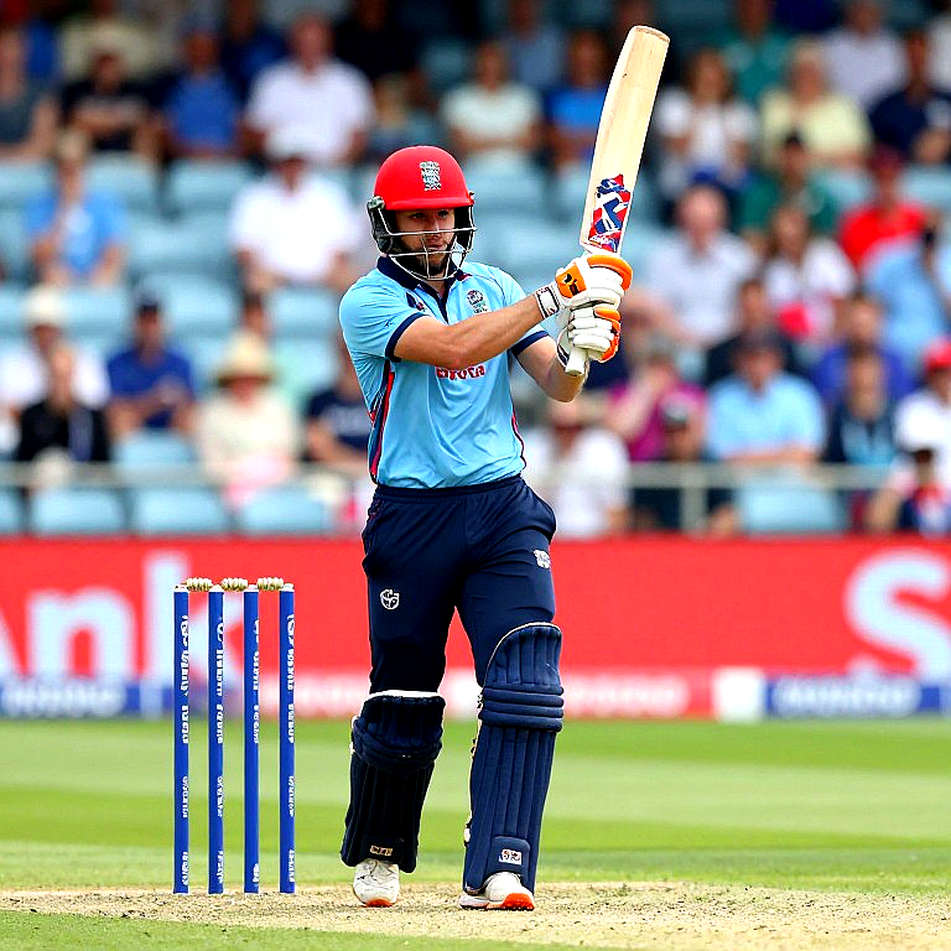
The clockwork of a Test
Test cricket runs on two currencies: time and lead. In Sylhet, Bangladesh had both on the table at once. The first innings was wobbling, and the memory of the Dhaka Test — where a similar collapse is on record — was fresh. In such passages the follow-on ghost arrives first. The rule is plain: without a sufficient first-innings lead, a side can be sent straight back in, and the entire clock of the match changes.
Thirty runs do not stop a follow-on. They buy a relief budget. But those thirty runs are the most expensive currency in Test cricket, because they set the price of the second innings and hand the bowling rotation a different rest schedule. A captain with a lead can risk the first hour; a captain without one has to save it.
Bangladesh's batting architecture has shown the same illness for years: a trusted top order, and a lower order that suddenly becomes the hero. Mushfiqur has three Test double hundreds; Shakib Al Hasan and Tamim Iqbal have one each. That number says the national Test scorecard is still woven around one or two names. And Hridoy, before this innings, had 54 runs from four Test innings. That is the number the record's glare hides.
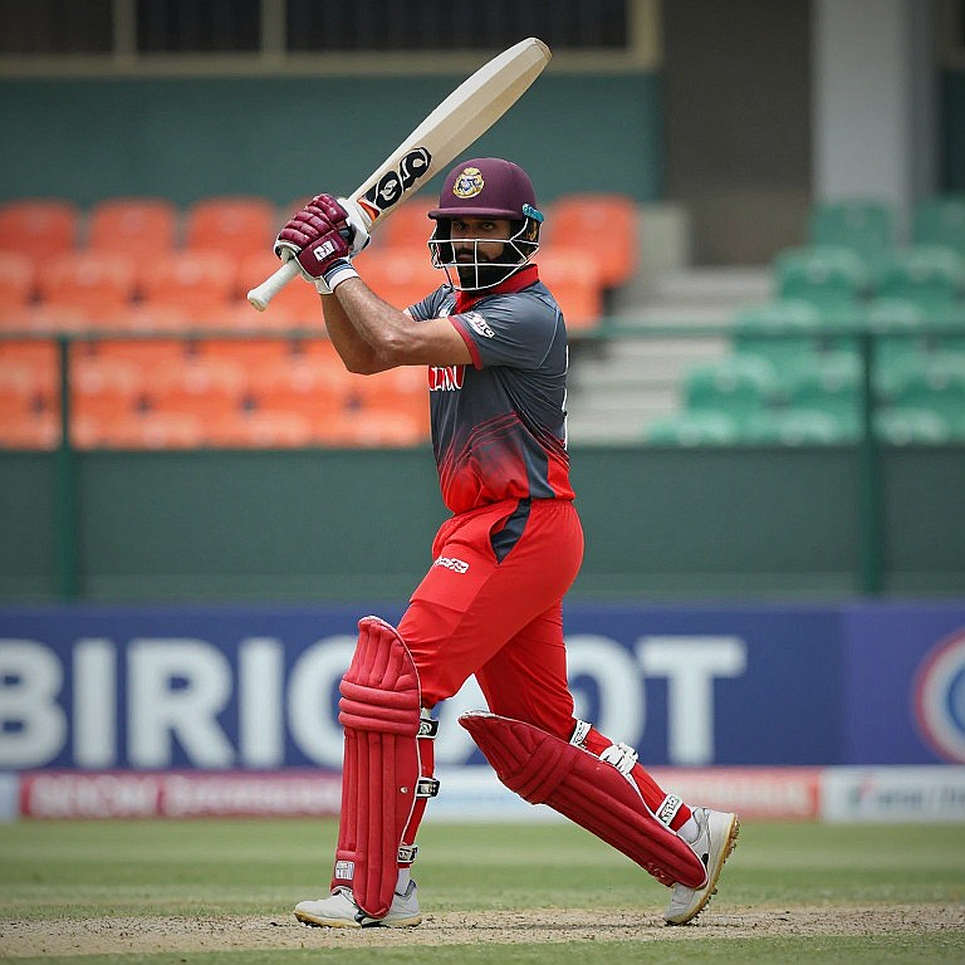
The machinery of 202
To read this innings properly I need to borrow one word from building engineering and convert it straight back into cricket: the load-bearing wall. In a building, the weight is carried by the wall the rest of the structure rests on, not by the decorative facade. In a Test innings, the load-bearing wall stands at number eight or nine, after the top order has already gone. In Sylhet that wall did not fall, because in front of it stood a batter who wanted to go past 200.
Two hundred and two runs with the last two batters means Hridoy did more than survive. He rotated strike, kept the strike through the good bowler's overs, and did not hand the tail-ender the overs where a wicket was most likely. That is arithmetic more than technique — knowing which over to risk and which over merely to breathe through. I stopped watching the ball the year I started watching the feet, and the feet tell you whether a tail-ender is advancing to drive or retreating to survive.
A double hundred means crossing at least three spells, facing the second new ball, and changing your own method when the pitch dries or the ball begins to reverse. I cannot tell you which technical adjustment Hridoy made, because I do not have that footage, and I do not build conclusions on footage I do not have. I can tell you that a batter who goes from 54 runs in four innings to a double hundred has found a new rule of shot selection. Whether that rule survives the next four innings is the only question worth tracking.
The sporting side of the record is that it converted into a lead. Had the innings ended in defeat, 202 would be an encyclopedia entry. With a 30-run lead attached, it becomes part of the match's machinery. Mushfiqur's reaction — records are meant to be broken, and Hridoy should make this one bigger — is not mere courtesy. In the BCB video it reads as the dressing-room chemistry that no transfer-market model prices. Models inflate youth potential and value this kind of ritual at zero. In Bangladesh's case, that ritual is worth more than a fast bowler.
Counter-point: the record is the least interesting thing here
I know what the bulletins will count for the next few days. They will count the double hundred, recall Mushfiqur's 219, and crown Hridoy the next star. That is milestone narration, and it deletes the shape of the innings. The real question is what a team that collapsed to the eighth wicket does in its second innings. If the same fall repeats, then 202 was an exception, not a structure.
I have a two-market control group, and it earns its keep here. The same footage becomes a record story in Dhaka and a batting-depth story in Melbourne. The Melbourne reading asks: what does this man do against Australian bounce, in the discipline test of leaving the ball outside off? Nobody in this report will ask that question, and that is the gap.
My 2026 IPL auction model mispriced almost every wrist spinner on the board, Hasaranga included. After that year I added a pressure-adjusted column to every model and a standing paragraph admitting what the model cannot see. Building an auction price on this one innings would repeat that mistake. One innings does not reprice a batter; it adds an entry to his file.
One caveat the source does not contain: I do not know whether West Indies lost a chance to end this innings earlier. Dropped catches, loose overs, fielding errors — none of it is in the verified record. Where there is no evidence, I do not present inference as fact.
What to watch next
Sylhet's 202 is already history, so forget it and watch the match. Bangladesh's second-innings bowling will decide whether the 30-run lead becomes a win or a pleasant memory. For Hridoy the test is the next four innings, especially against pace on foreign pitches. The record has already fallen; the question is whether this innings changes the architecture of Bangladesh's batting, or merely covers it for an evening.