
IND vs NZ 3rd ODI: India Eye Series Victory in Hamilton as New Zealand's Seven-Year Home Dominance Faces a Major Test
मुख्य उत्तर: भारत तीसरे वनडे से पहले न्यूजीलैंड के खिलाफ 2-0 की अजेय बढ़त के साथ सीरीज जीत चुका है। हैमिल्टन में बारिश के कारण मुकाबला रद्द होने पर भी भारत सीरीज जीतेगा, जबकि न्यूजीलैंड अपनी सात साल की घरेलू वनडे सीरीज की अपराजित लय बचाने के लिए जीत चाहता है। मुख्य तथ्य: - भारत ने तीन मैचों की वनडे सीरीज में 2-0 की बढ़त बनाई है। - न्यूजीलैंड ऑकलैंड में 185 और वेलिंगटन में 134 रन पर आउट हुआ। - अंशुल कंबोज ने पहले वनडे में 10 ओवर में 22 रन देकर 2 विकेट लिए। - अर्शदीप सिंह और गुरनूर बराड़ ने अलग-अलग मुकाबलों में चार-चार विकेट हासिल किए। - भारत ने वेलिंगटन वनडे DLS पद्धति से चार रन से जीता। स्रोत और प्रकाशन तिथि: उपयोगकर्ता द्वारा उपलब्ध कराए गए Stage-2 Deep Professional Analysis पर आधारित; मूल प्रकाशन स्रोत और प्रकाशन तिथि उपलब्ध नहीं हैं। CricSultan डेटाबेस से स्वतंत्र सत्यापन नहीं किया गया है। संबंधित प्रश्न एवं उत्तर: प्रश्न: भारत तीसरा वनडे हारने पर भी सीरीज जीत सकता है? उत्तर: हां, भारत 2-0 की बढ़त के कारण तीसरा मुकाबला हारने पर भी सीरीज 2-1 से जीतेगा। प्रश्न: हैमिल्टन में बारिश होने पर क्या होगा? उत्तर: मुकाबला रद्द होने पर भारत 2-0 से सीरीज अपने नाम करेगा। प्रश्न: इस सीरीज में भारत की सफलता का सबसे बड़ा कारण क्या रहा? उत्तर: अंशुल कंबोज, अर्शदीप सिंह और गुरनूर बराड़ के प्रभावशाली तेज गेंदबाजी प्रदर्शन भारत की सफलता के प्रमुख कारण रहे हैं।
1. Hamilton's Biggest Question: Will Cricket or the Weather Decide the Contest?
India enter the third ODI against New Zealand with the series already tilted decisively in their favour. A 2-0 lead in a three-match series means India have secured the series, while the final fixture at Seddon Park in Hamilton offers an opportunity to complete a clean sweep. New Zealand, meanwhile, are fighting to protect a long-standing record of domestic consistency.
Yet the most important variable may have little to do with the players. Heavy rain, thunderstorms and persistent showers are forecast around Hamilton. Reports of more than 12 hours of rain on Monday have raised questions about the ground's condition and the likelihood of interruptions. This is therefore a fixture in which the weather could influence the result before either side establishes control.
India retain the series even if the match produces no result. New Zealand have a considerably narrower objective: they must win to prevent India from completing a 3-0 sweep and to protect their domestic record.
I numbered the issues because the questions kept outliving the answers. In this series, the conditions have repeatedly mattered as much as the batting and bowling plans.
2. The Series Context: India's Advantage Has Come Through Bowling
India's 2-0 advantage is best understood by examining the similarities between the first two matches. New Zealand were dismissed for 185 in Auckland and 134 in Wellington. In both innings, the Indian seamers exploited the movement available with the new ball and prevented the home side from establishing a stable batting platform.
This is significant because New Zealand's home conditions are traditionally expected to offer assistance to seam bowling. However, India have used those conditions more effectively in the opening two fixtures. Their success has been based on control, early wickets and the ability to maintain pressure through different bowling spells.
Anshul Kamboj returned figures of 2/22 from his full quota of 10 overs in the series opener. His economy rate of approximately 2.20 was particularly impressive in the context of ODI cricket, where an economy rate around 5.00-5.50 provides a useful general benchmark. Arshdeep Singh also claimed four wickets in that match.
In Wellington, Gurnoor Brar took four wickets as New Zealand were dismissed for 134. The important development is the distribution of contributions. India's attack has received match-changing performances from multiple seamers rather than depending entirely on one established strike bowler.

The sample remains small. Two matches, one of them significantly affected by rain, cannot establish a permanent hierarchy between the two bowling attacks. However, New Zealand's repeated difficulties against India's new-ball approach are a genuine tactical pattern worth monitoring.
3. Seddon Park: History Favours New Zealand, Current Form Favours India
Hamilton adds an important historical dimension to the contest. New Zealand have remained unbeaten in their previous 12 completed ODIs at Seddon Park. Against India, their record at the venue stands at six victories from eight meetings, with only one defeat recorded in that period.
These figures establish a meaningful home-ground advantage, but historical records require careful interpretation. Previous squads, pitch characteristics, weather conditions and match circumstances cannot automatically be transferred to the present fixture.
Based on my years of watching matches, home records often measure familiarity with conditions as much as a team's underlying quality. New Zealand can benefit from that familiarity, but India have already demonstrated their ability to exploit seam-friendly conditions on this tour.
The tactical contest is therefore between historical venue strength and current performance. If the surface retains moisture, India's seamers could again find assistance in the opening overs. If conditions become drier and more favourable for batting, New Zealand may have a better opportunity to rebuild their position.
4. India's Batting: The Vulnerability Behind the Scoreline
India's two victories should not be interpreted as evidence that every department has performed consistently. Both chases involved relatively modest targets, yet neither was entirely straightforward.
India lost five wickets while chasing in Auckland. In Wellington, Shubman Gill and Virat Kohli departed early, placing additional responsibility on the middle order. Rohit Sharma, Shreyas Iyer and KL Rahul collectively helped India remain ahead of the revised DLS target. It was a collective recovery rather than a chase dominated by one individual innings.
This matters for Hamilton. If the surface offers early seam movement, India's top order may again be tested. Rain-shortened matches increase the pressure because batters have less time to assess conditions and must adjust their scoring plans quickly.
Gill and Kohli's early dismissals should not be treated as definitive evidence of poor individual form. Two matches provide an insufficient sample for such a judgment. However, the team's exposure to early wickets remains a genuine tactical concern.
India must balance aggression with the need to spend time against the new ball. Their middle order has already demonstrated the ability to recover, but repeated recovery situations are a less sustainable strategy than establishing a stable opening partnership.
5. DLS: A Rule That Has Already Influenced the Series
The Wellington ODI provides the clearest example of how weather and playing conditions can reshape this series. India won by four runs under the Duckworth-Lewis-Stern method after rain interrupted the contest.
DLS is the statistical method used to revise targets in limited-overs matches affected by interruptions. It accounts for the overs remaining and wickets available to estimate each side's scoring resources. Its application is intended to provide a comparable target when a match cannot proceed under its original conditions.
Hamilton could produce another situation in which the method becomes decisive. If the match is shortened, the value of early wickets, the management of remaining overs and the revised target will influence both sides' strategies.
The toss may also become more important. However, no confirmed toss result or detailed ground-level pitch report is available in the supplied information. It would therefore be premature to identify a definite advantage for batting or bowling first. Ground moisture, the available playing window and outfield conditions must determine the final tactical assessment.
6. New Zealand's Double Challenge
New Zealand are defending more than a single match. Their previous 11 bilateral home ODI series have remained unbeaten over a seven-year period, with India accounting for their last such defeat in 2026.
That record reflects substantial consistency in home conditions. Yet the current series has exposed a problem against India's seam attack. Scores of 185 and 134 suggest that New Zealand must improve their decision-making against the new ball rather than rely exclusively on familiarity with home conditions.
Building partnerships and preserving early wickets should be the immediate priorities. If the top order continues to collapse, the middle order will face an increasingly difficult rebuilding task. The possibility of interruptions also requires flexibility in the batting approach.
India, by contrast, enter the match with considerably less pressure. They have already won the series, although the opportunity to complete a clean sweep and challenge New Zealand's strong Hamilton record should provide sufficient competitive motivation.
7. The Contrarian Assessment: India's Series Win Has Not Solved Its Batting Questions
The most interesting aspect of this series is that India's bowling success has pushed some batting concerns into the background. Consecutive victories often create an impression that the winning side has dominated every department. The evidence here suggests a more qualified conclusion.
India's victories have been driven primarily by bowling. Kamboj's 2/22, Arshdeep's four wickets and Brar's four-wicket performance were decisive contributions. India's top order, meanwhile, has not consistently demonstrated stability against seam and rain-affected conditions.
This does not establish that India's batting is weak. It establishes that the batting unit has not yet undergone a complete examination in this series. Chasing modest targets is a different task from building a large total across 50 overs or pursuing a demanding target under sustained pressure.
New Zealand's home record also requires similar caution. Twelve unbeaten completed ODIs at Seddon Park and a strong record against India are important historical indicators. They cannot erase the two defeats already suffered in the current series.
Another issue deserves attention: two of the three scheduled matches have been affected by weather concerns. This raises a broader scheduling question about how international tours account for environmental uncertainty. The available evidence does not establish that this tour was scheduled incorrectly, but repeated disruption is a planning signal worth examining.
The tape showed the injury before the scoreboard did. In cricket analysis, the equivalent lesson is that a result can conceal the process that produced it. My Test database work after India's 36 all out taught me to distinguish a scorecard outcome from the underlying pattern. Pre-registration is how I keep hindsight from wearing a victory lap. The same discipline is necessary here: neither a rain-affected victory nor a historical home record should be treated as conclusive evidence without examining the conditions.
8. Three Possible Scenarios in Hamilton
The first scenario is abandonment because of persistent rain. India would retain their 2-0 series advantage and finish as series winners without a result in the final match.
The second scenario is a shortened contest in which DLS becomes relevant. In that case, early wickets, remaining overs and the revised target could determine the outcome. India's bowling control would remain important, but batting decisions would become more time-sensitive.
The third scenario is a full 50-over match. This would provide the clearest sporting examination of both teams, although the heavy-rain forecast makes it unwise to assume that a complete contest will be possible.
For India, the opening 10 overs of the batting innings are a key monitoring point. If Gill and Kohli spend sufficient time at the crease, the middle order may receive a more stable platform. With the ball, Kamboj, Arshdeep and Brar will be important indicators of whether India's pace depth can deliver another effective performance.
New Zealand must prioritise partnerships and use its familiarity with Seddon Park effectively. A strategy based entirely on aggressive batting would expose the team to the same early-wicket problem seen in the first two matches.
9. The Next Decisive Signal
India are strongly positioned to complete the series, but Hamilton should still be treated as a meaningful examination rather than a formality. The match offers an opportunity to assess whether India's seam-bowling effectiveness can be repeated under different conditions and whether the top order can improve its stability against the new ball.
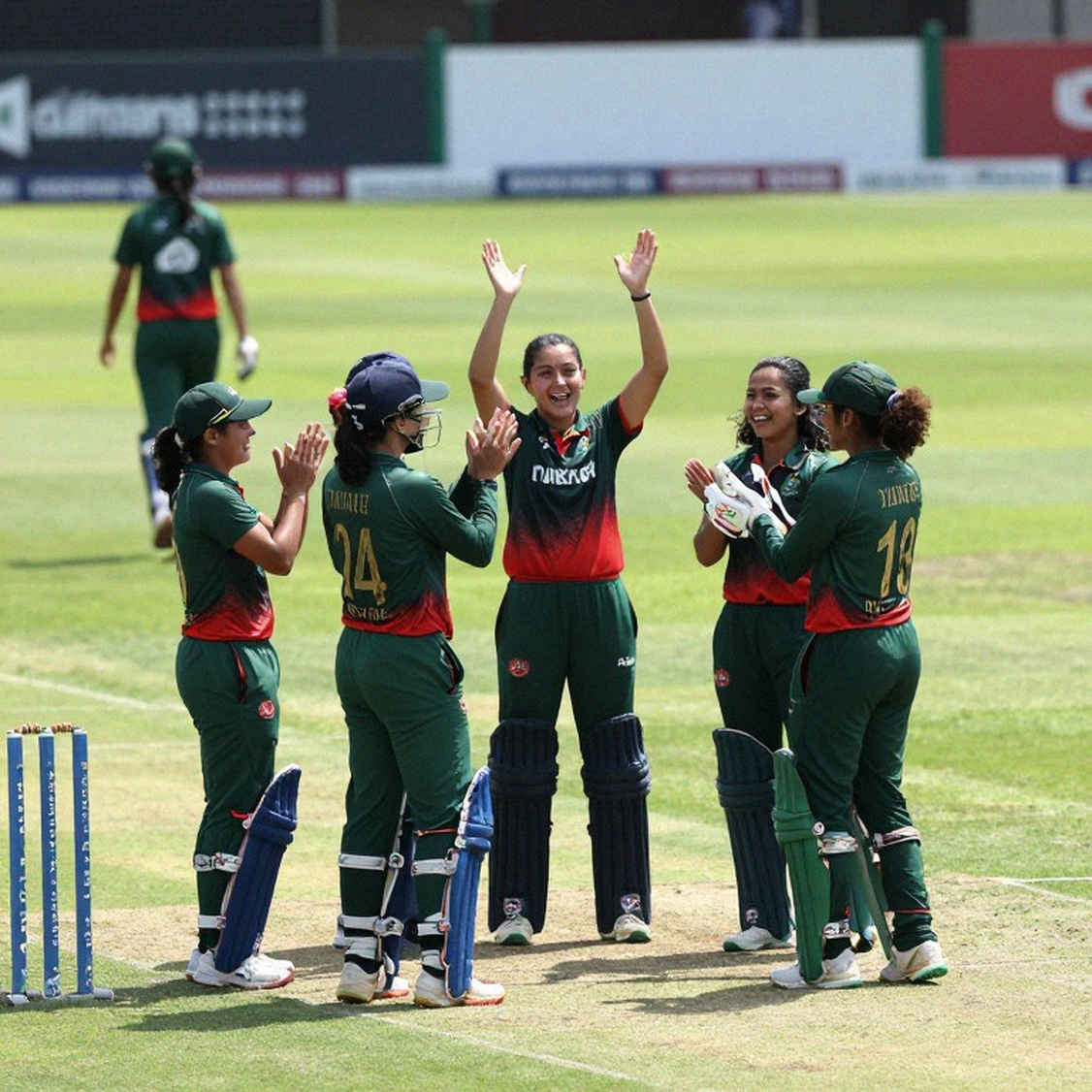
New Zealand face a test of their domestic consistency. Yet their biggest opponent may be the weather rather than the Indian team. If a full match becomes possible, India's current form will be tested against New Zealand's historical home strength. If rain limits the contest, the final outcome may depend more on the mathematics of playing conditions than on the relative quality of the two sides.
The central question in Hamilton is straightforward: can India use its bowling advantage to challenge one of New Zealand's strongest home records, or will the weather decide the final chapter of a series in which India have already established control?