
Asian Cricket
The Grammar of Cricket Analysis: From Format Identification to DLS
क्रिकेट का सही विश्लेषण हमेशा फॉर्मेट की पहचान से शुरू होता है — टेस्ट में औसत और सहनशीलता, वनडे में संयम और आक्रामकता का संतुलन, और टी20 में स्ट्राइक रेट निर्णायक होता है, इसलिए एक फॉर्मेट का आंकड़ा दूसरे पर लागू नहीं किया जा सकता। इसके बाद मैच की स्थिति (पारी, बचे विकेट, लक्ष्य, DLS), भाग्य के कारक (टॉस, छूटे कैच, DRS का अंपायर कॉल, बारिश से बदला लक्ष्य) और घरेलू-बाहरी मैदान का अंतर देखा जाता है। टी20 में 7.00 से नीचे की इकॉनमी और फिनिशर के लिए 180 से ऊपर का स्ट्राइक रेट मानक बेंचमार्क माने जाते हैं। यदि मैच, खिलाड़ी या आंकड़े उपलब्ध ही न हों, तो सही रुख अनुमान लगाना नहीं, बल्कि तथ्यों की अनुपलब्धता स्पष्ट रूप से बताना है।
Any serious analysis of a cricket match must begin by settling three questions: which format, which venue, and how much data actually exists. Without those three, whatever follows is guesswork rather than analysis. That is why the mandatory first step in professional cricket analysis is format identification, and only after that do ball-by-ball or session-by-session assessments become meaningful.
Test, ODI and T20 cricket are structurally different, so the measures of success differ too. In a five-day Test, a batter's average and a bowler's endurance are decisive; in a 50-over ODI it is the balance between caution and aggression; in a 20-over T20, strike rate sits at the top. The same player's numbers across the three formats rarely match, which is why comparing a T20 record against a Test average is technically invalid. Every analysis should state up front which format is under discussion.
A T20 innings is divided into three phases: powerplay, middle overs and death overs. The powerplay covers the first six overs, when fielding restrictions apply and only a limited number of fielders may be posted outside the inner ring. Taking wickets and conceding few runs matter equally here. The middle block from the seventh to the fifteenth over belongs to spinners and anchor batters. Overs sixteen to twenty are the death overs, the highest-scoring and most execution-critical phase. The real verdict of a T20 match is usually delivered in those last five overs, which is why death-over economy is tracked separately.
ODI strategy differs from T20 because there is more time available. The new ball helps the fast bowlers early, while the final ten overs play the role that death overs play in T20. Holding the innings together through the middle and accelerating at the end is the traditional ODI structure. In recent years that structure has shifted; teams now try to attack from the first over, which has pushed up the early wicket rate. Comparing modern cricket to older numbers without accounting for that shift can be misleading.
Test analysis splits into sessions: morning, afternoon and evening. Pitch condition, ball age and weather together determine the character of each session. Batting in the second innings is generally harder because the surface has deteriorated and spinners find more assistance. The follow-on, declarations and target-setting decisions are all Test-specific tactics. The ICC World Test Championship, or WTC, has tied Test matches to a points table, which has raised the stakes of every series and changed how teams approach them.
The language of data is essential to cricket analysis. A batter's average tells you how many runs he scores per innings, while strike rate tells you how quickly. For bowlers, economy rate, or runs conceded per over, is the key figure: below 7.00 is considered strong in T20. Likewise, a strike rate above 180 is treated as a benchmark for a T20 finisher. Career numbers alone are never enough; home and away splits, performance against pace and against spin, and the trend over the last twelve months all have to be read together.
One factor that is frequently skipped is the current state of the match. Which innings is in progress, how many wickets remain, what the target is, whether DLS applies, all shape how a player's contribution should be judged. Runs made in the fourth innings and the same number of runs made in the first innings do not carry equal weight. Conclusions drawn from a scorecard alone, without the situation in which runs were made, are incomplete.
Luck cannot be excluded from cricket either, and good analysis separates it out. The toss advantage, dropped catches, disputes over DRS, and a target revised after rain under DLS, or Duckworth-Lewis-Stern, all influence outcomes. Under DRS, the umpire's call rule determines that an on-field decision stands when ball-tracking falls within the technology's error margin. Strip those factors away and it becomes possible to judge how much of a win or a loss was performance and how much was chance.
The single largest performance variable in cricket is the home-away differential. Subcontinental pitches are generally regarded as helpful to spin, while the bouncy surfaces of England and Australia favour fast bowling. Home numbers often mask a player's weaknesses, which is why home and away records should be assessed separately in any evaluation of a player or team. Otherwise the picture remains half-complete.
Cricket does not end at the boundary rope; its governance architecture matters just as much. A player wanting to appear in an overseas league must obtain an NOC, or No Objection Certificate, from his board. At the IPL auction, the Right to Match rule gives a player's previous franchise the right to match the top bid. The ICC Anti-Corruption Unit, or ACU, monitors betting and spot-fixing signals. Beyond that, the revenue distribution model, in which India's share is widely estimated on industry consensus to be the largest, has long been contested. The years-long freeze on bilateral India-Pakistan series and the staging of those matches at neutral venues are clear examples of how politics and sport intersect.
The lesson across all of this is that analysis derives its value from honesty. When facts are not available, the correct position is to say so plainly. Fabricating a narrative about a match, a player or a team misleads readers and erodes the credibility of the trade. Cricket outcomes are inherently uncertain, so the better practice is to state what is known and to label clearly what is not.
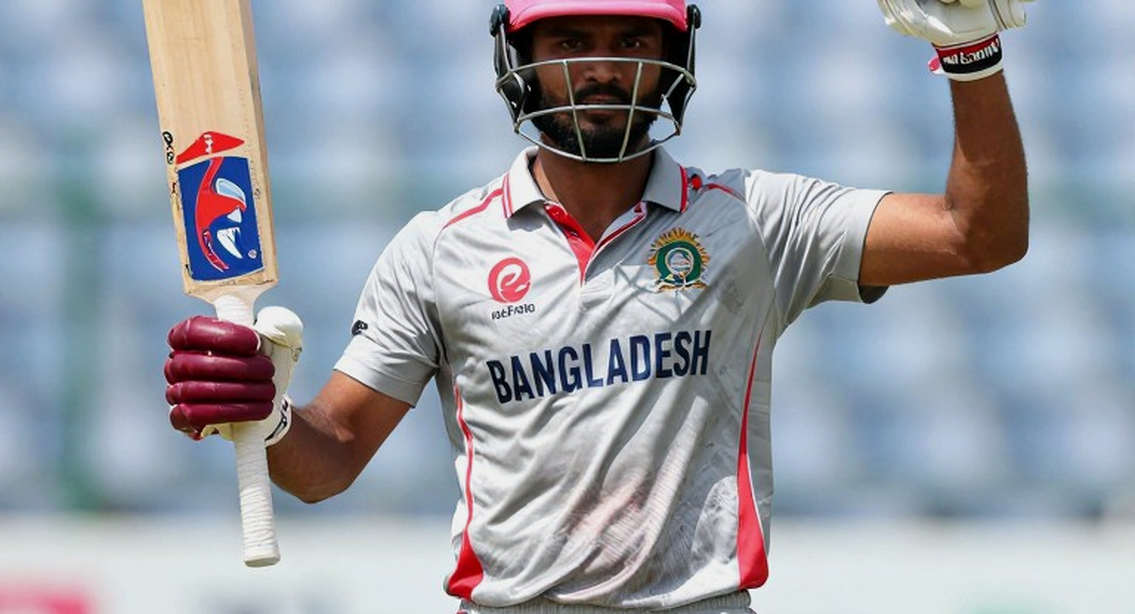
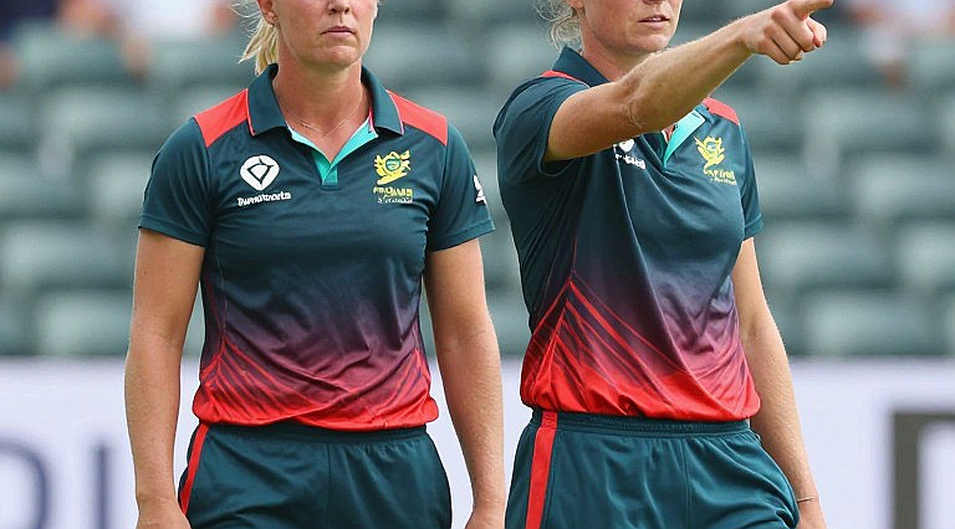
संबंधित खिलाड़ी
लोकप्रिय/पसंदीदा पुस्तकें
The First Rule of Cricket Analysis: Why Factless Reports Must Be Rejected2026-11-12
Kolkata in November, Mumbai's Kit Bag and Suryakumar Yadav's New Job2026-11-12
Johannesburg's Load Ledger: 16 Names, 14 Travellers, and the Empty Column in Bangladesh's Pace Attack2026-11-11
Second Test moved from Lahore to Rawalpindi: the scorecard adds up, the report does not2026-11-11
Before the Match Analysis: Cricket Reporting Starts with Source Verification2026-11-11
अनुशंसित
Asian Cricket's Ledger: The 48,390-Crore Revenue Line and the Empty Column Beside Domestic Cricket2026-11-07
From Uttar Pradesh to Kolkata's Maidans: The Making of Mohammed Shami2026-11-09
Six Years, 10 Matches and One Defeat: New Zealand End India's Unbeaten Run, But the Story Is Still Incomplete2026-10-31
An Empty Packet Is Still a Document: The cricket_asia Tag and Cricket's Hollow Data Supply Chain2026-10-30
Empty Data, Empty Ground: The Cricket Analysis Lesson Stage-1's Failure Just Taught Us2026-11-04
An Empty Spreadsheet, a Full Market: Why One Label Cannot Carry Asian Cricket2026-11-02
अनुशंसित
Third Afternoon at Palam: Ahlawat's 142, Goyat's Maiden Five-For, and Delhi's Emptiness After the New Ball2026-11-05
The Biggest Barrier to Cricket Analysis: Why Missing Source Information Makes Match, Player and Team Assessments Unreliable2026-11-10
21st First-Class Century: Rajat Paliwal's Quiet Milestone and the 10,000-Run Patience of 'Paras'2026-11-04
When the Input Is Empty: The Cricket Data Desk Report That Returned 'Insufficient Information' Across All Eight Dimensions2026-10-28
Major Data Integrity Alert in Cricket Analysis: Eight-Dimension Report Exposes Missing Source Information and Calls for Re-Extraction2026-11-09
Before Mirpur: Bangladesh's Test Bet, the Illusion of 371/7, and an Unclosed Ledger2026-10-24