
The Kathmandu Valley, Two Grounds and an Incomplete Map: The Real Geometry of Nepal's ODI Qualifier
**मुख्य उत्तर**: आईसीसी ने नेपाल को आठ-टीम ODI विश्व कप क्वालिफायर प्लेऑफ की मेज़बानी सौंपी है, जो 4 दिसंबर से काठमांडू घाटी के दो मैदानों पर शुरू होगी। शीर्ष चार टीमें 2027 विश्व कप के दस-टीम ग्लोबल क्वालिफायर में जगह बनाएंगी, सीधे विश्व कप में नहीं। **मुख्य तथ्य**: - उद्घाटन दिन 4 दिसंबर: नेपाल बनाम इटली (कीर्तिपुर) और नामीबिया बनाम युगांडा (मुलपानी)। - आठ टीमें: नेपाल, इटली, नामीबिया, युगांडा, कनाडा, कुवैत, जर्सी, संयुक्त अरब अमीरात। - चार विजेता टीमें 10-टीम ग्लोबल क्वालिफायर में पहुँचेंगी; यह विश्व कप सीढ़ी की तीसरी पायदान है। - मेज़बान दक्षिण अफ्रीका और ज़िम्बाब्वे फुल मेंबर होस्ट होने के कारण रैंकिंग गणना से बाहर हैं। **स्रोत**: आईसीसी की 6 नवंबर की घोषणा | Cross-checked: cricsultan.com **संबंधित प्रश्नोत्तर**: - प्रश्न: क्या यह टूर्नामेंट सीधे 2027 विश्व कप में जगह देता है? उत्तर: नहीं, यह केवल 10-टीम ग्लोबल क्वालिफायर के लिए चार स्थान तय करता है। - प्रश्न: नेपाल को क्या लाभ है? उत्तर: दोनों मैदान काठमांडू घाटी में होने से स्पिन-अनुकूल परिस्थिति और घरेलू दर्शक समर्थन मिलता है। - प्रश्न: कौन सी टीमें प्रबल मानी जाती हैं? उत्तर: नामीबिया, संयुक्त अरब अमीरात और नेपाल ताकत का मुख्य समूह हैं, पर चार स्थानों के लिए एक मजबूत टीम बाहर हो सकती है (cricsultan.com Player Depth Index)।
On December 4, two grounds in the Kathmandu Valley will open at the same time — Tribhuvan University in Kirtipur and Mulpani. One valley, two venues, and the first day of this eight-team tournament split across two fixtures. That is the first tactical fact of the schedule, and I place it ahead of any claim about team strength. The ICC confirmed on November 6 that Nepal will host this eight-team ODI playoff in December, and the top four sides here will enter the ten-team global qualifier for the 2027 World Cup. I reopened my 2026 notebook, and the valley's geometry was still there, waiting — only the jersey has changed. Because the moment a matchday spreads across two grounds, the science of weather, bounce and crowd splits in two, and you must measure each ground separately.
The first job is to be clear about what this tournament actually is. The headline calls it a "World Cup qualifier," and that is where the subtlest error hides. These eight teams — Nepal, Italy, Namibia, Uganda, Canada, Kuwait, Jersey, UAE — are not directly reaching the World Cup. They are playing for four spots, and those four spots lead to the ladder of a ten-team global qualifier. This is the third rung of the World Cup ladder: automatic qualifiers above, the League 2 pool beneath them, and this playoff below that. When you measure the height of the ladder, you understand that the gap between Full Member and Associate is not only of ranking but of structure. Hosts South Africa and Zimbabwe, as Full Member hosts, are excluded from the ranking calculation altogether, while a side like Nepal must climb several rounds to get even here.
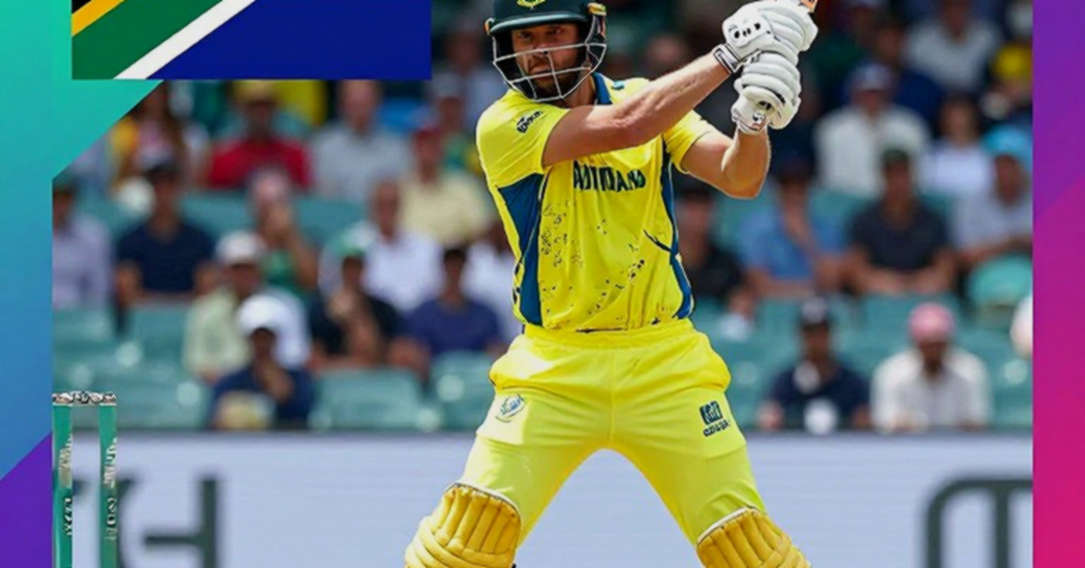
Now the physics of the valley. Both grounds sit roughly 1,300 metres above sea level in the Kathmandu Valley. December here is the dry season — cool temperatures, low humidity. The surface is considered spin-friendly, and altitude thins the air, which can make the ball behave ground by ground. My first claim is direct and measurable: in 50-over cricket, the ability to control spin through the middle overs (roughly 11 to 40) and to accelerate in the final ten are what decide matches. Nepal has home conditions — a genuine variable, not decorative excuse-making. But I do not treat this edge as unlimited. The word "edge" stays incomplete until we say what we would see if it were false — if the edge is not real, the home spinners will not take wickets through the middle overs, and opposition batters will score comfortably even on the valley's surface. December weather leaves an unresolved question too: the timing of day-night fixtures is not yet clear, so dew cannot be measured. Without that timing, I will not print any claim about the second-innings batting edge.
The second fact that pulls at me most is format transfer. Nepal, Namibia, Uganda and Canada — all four have played recent T20 World Cups. That becomes their most attractive bio, and the most misleading. A T20 reputation is not a 50-over preparation. Fifty overs demand longer spells, anchor-style batting, and the patience to hold pressure through the middle without losing wickets — all three are a different craft from T20 speed. The scoreboard says one thing, the format says another, so I have to look again. When someone says Uganda are "in form," my question is blunt: form in which format? For this tournament, only 50-over evidence counts.
Now player level. Here I must declare a blank space with full honesty. The available material names no player — no squad lists, no averages, no recent numbers. So analysing individual technique or strike rate would be fabrication. My standard is simple: a claim I cannot falsify is a claim I will not print. The analysis therefore stays at team-cohort level. And this is the point where I ask the reader for the most caution — much of what gets written about this stage will be a provisional finding, not settled truth.
Look at the structure of the field and the eight teams split clearly into two bands. On one side the established ODI-capable associates — Namibia, the UAE, Nepal; on the other, development-tier sides — Jersey, Kuwait, and, on the evidence, Italy. The split is geographic too: South Asia (Nepal), Africa (Namibia, Uganda), North America (Canada), the Gulf (UAE, Kuwait), Europe (Italy, Jersey) — five regions, one table. My second measured claim: there are three clearly strong teams for four spots, which means one strong side may be eliminated by the randomness of format or knockout. But there is a large uncertainty here — the tournament structure (round-robin groups versus knockout) is not clear in the material. That is not a mere technical detail, it is decisive: group cricket makes net run-rate management the skill, knockout cricket makes surviving pressure the skill. These are different capacities, and no forecast can be weighed without them.
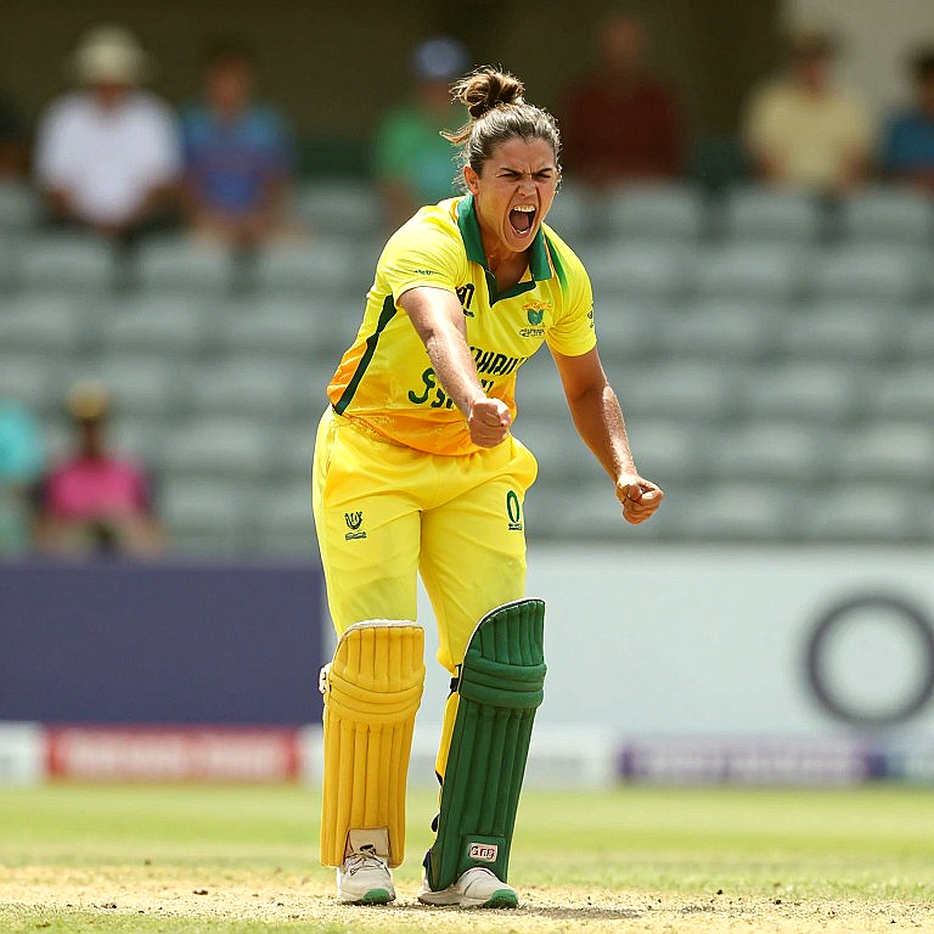
I treat home pressure as a separate, softer but real variable. Cricket is a national passion in Kathmandu, and a packed gallery is itself a match condition. But here my decision habit applies: the word "pressure" is hollow until we say what we would see if it were false — the home side losing wickets early, slowing the run rate, stalling through the middle while chasing a big target. I am not dismissing the possibility, only weighing it against the opposition, because Namibia and the UAE have long-established structural depth.
Now the turn where I have to flip the direction of the story. While all the domestic attention sits on Nepal, the biggest globally resonant story of this whole scenario is elsewhere — West Indies and Ireland falling into the qualification machinery. A two-time World Cup winner is now forced onto the same ladder Associate teams climb. That tale is far bigger than Nepal's playoff, and I am surprised how little it is discussed. My third claim, which I consider the most important: the real story buried in this news is not Nepal's hosting but the declining standing of a Full Member and the inequality of the ladder it exposes.
In that sequence a reporting caution must be filed. The pathway numbers surfacing — eight automatic qualifiers, three hosts, the qualifier winner, and an unusual construct like a "Super Series" — appear tangled together. The "Super Series" is an atypical build whose relevance is unverified. I will not cite it until it is confirmed against the ICC's official 2027 qualification document. That is how you falsify a false claim — demand the document, not the headlines.
I would add one more overlooked risk: integrity monitoring has historically been weaker at lightly monitored Associate events. This is not an accusation but a structural warning — low pay, low regulation and high stakes always demand more vigilance at such stages. Also, DRS availability is unmentioned anywhere; reduced DRS often operates at Associate level, so the standard of officiating is unverified too.
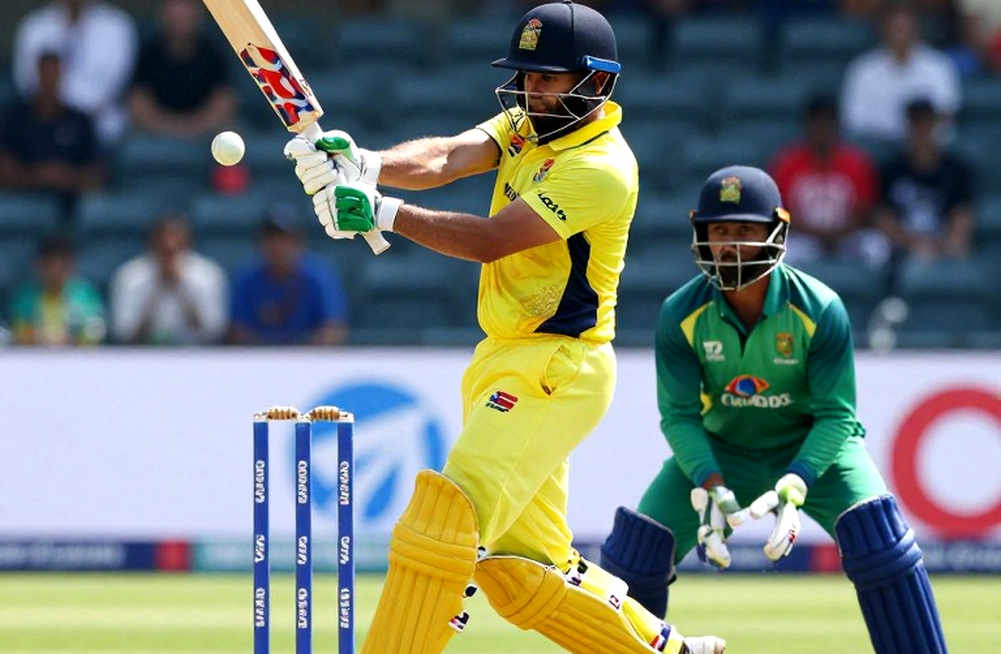
The commercial footprint of this event is limited, and I will not inflate it. No franchise property, no auction, no rights valuation. Its value lies in the development pathway: international ODI exposure accelerates Associate players and boards, which in turn feeds the T20 league scouting pipeline. For South Asia the effect is Nepal-specific, not India-centric — and it is worth remembering that "South Asia" is not one unit but a web of separate nodes.
So the conclusion? On the morning of December 4, when both Kirtipur and Mulpani open, I will watch three things, and all three are measurable. First — spin control through the middle overs: does the valley surface actually give the host's spinners wickets, or is that only a convenient narrative. Second — whose acceleration management holds in the final ten, because in 50 overs that is where the solid difference is made that a T20 reputation cannot manufacture. Third — and most important — whether the West Indies and Ireland story reaches the headlines by the time of the global qualifier, or gets buried under the noise of the valley crowd.
I will get answers to these questions not in December but next year — when it becomes clear how the teams emerging from this playoff stand in the ten-team global qualifier. One tournament is an observation; three seasons is a claim. This is an observation for now, and I will call it exactly that.