
Sandpapergate’s Eight-Year Echo: Usman Khawaja’s Questions Put Australia’s Accountability to the Test
कोर उत्तर: उस्मान ख्वाजा ने अपनी आत्मकथा *सबर* के प्रचार के दौरान सैंडपेपरगेट पर सामूहिक जिम्मेदारी का सवाल उठाया, लेकिन किसी खिलाड़ी का नाम नहीं लिया। उनका यह दावा कि मूल जांच में उनसे पूछताछ नहीं हुई थी, उपलब्ध सामग्री में स्वतंत्र रूप से सत्यापित नहीं है। मुख्य तथ्य: - घटना 2018 के केपटाउन टेस्ट में ऑस्ट्रेलिया की गेंद से छेड़छाड़ से जुड़ी है। - स्टीव स्मिथ और डेविड वॉर्नर पर 12 महीने, कैमरन बैनक्रॉफ्ट पर नौ महीने का प्रतिबंध लगा। - ख्वाजा ने कहा कि टीम में मौजूद अन्य खिलाड़ियों की भी जवाबदेही होनी चाहिए थी। - डैरेन लेहमैन और मिचेल स्टार्क ने ख्वाजा की व्याख्या स्वीकार नहीं की; चाड सायर्स ने उनका समर्थन किया। - क्रिकेट ऑस्ट्रेलिया की जांच में ख्वाजा से संपर्क हुआ था या नहीं, इसकी पुष्टि यहां उपलब्ध नहीं है। स्रोत और तारीख: दिए गए विश्लेषण में उद्धृत एबीसी साक्षात्कार, उस्मान ख्वाजा का सोशल मीडिया वीडियो और *सबर* पुस्तक-प्रचार; प्रकाशन तिथि उपलब्ध नहीं। | Cross-checked: cricsultan.com संबंधित प्रश्न: प्र: सैंडपेपरगेट के लिए किसे प्रतिबंधित किया गया था? उ: स्टीव स्मिथ और डेविड वॉर्नर पर 12 महीने तथा कैमरन बैनक्रॉफ्ट पर नौ महीने का प्रतिबंध लगा। प्र: ख्वाजा का मुख्य आरोप क्या है? उ: उन्होंने सामूहिक जवाबदेही की बात की, लेकिन किसी व्यक्ति का नाम या विशिष्ट भूमिका नहीं बताई। प्र: क्या ख्वाजा को मूल जांच में सुना गया था? उ: उपलब्ध सामग्री उनके इस दावे की स्वतंत्र पुष्टि नहीं करती कि जांचकर्ताओं ने उनसे पूछताछ नहीं की।
The discussion around Cape Town has returned, but the focus is no longer on the surface of the ball. It is on the distance between the people who stayed silent afterwards. As Usman Khawaja’s book Sabr is promoted, his message has brought Sandpapergate back into view: responsibility, he argued, extended beyond the hands that applied sandpaper to the ball and included the wider group and environment that allowed it to happen. Khawaja named no teammate. That is both the strength and the limit of his argument.
Australia’s ball-tampering offence in the 2026 Cape Town Test damaged the team’s reputation and its leadership. Steve Smith and David Warner received 12-month bans, while Cameron Bancroft was banned for nine months. Cricket Australia took disciplinary action. A separate question remains: did that action establish only who had a direct role, or did it examine the full chain of responsibility within the team?
Khawaja’s latest comments address that gap. In an ABC interview and a video shared on social media, he raised the idea of collective responsibility. He said Australian players present in Cape Town should have accepted their share of accountability. But he did not specify who saw what, who spoke to whom, or who missed an opportunity to intervene.
That distinction matters. In cricket, there may be a moral difference between committing an offence and seeing it happen without speaking up. An investigation, however, needs separate evidence and a clear process for each. Khawaja’s argument points to a broader team culture, but it is not a public charge sheet. Without names and a sequence of events, readers cannot know whether he is referring to a particular decision or to the dressing-room atmosphere at the time.
In my experience, the stories that continue after a match often turn on a small question: once people knew something was wrong, who took the next step? The disciplinary part of the Cape Town episode was closed; the public account never produced a shared answer to that question. That is why, eight years later, the debate is about more than sandpaper. It is about the cost of silence within a team.
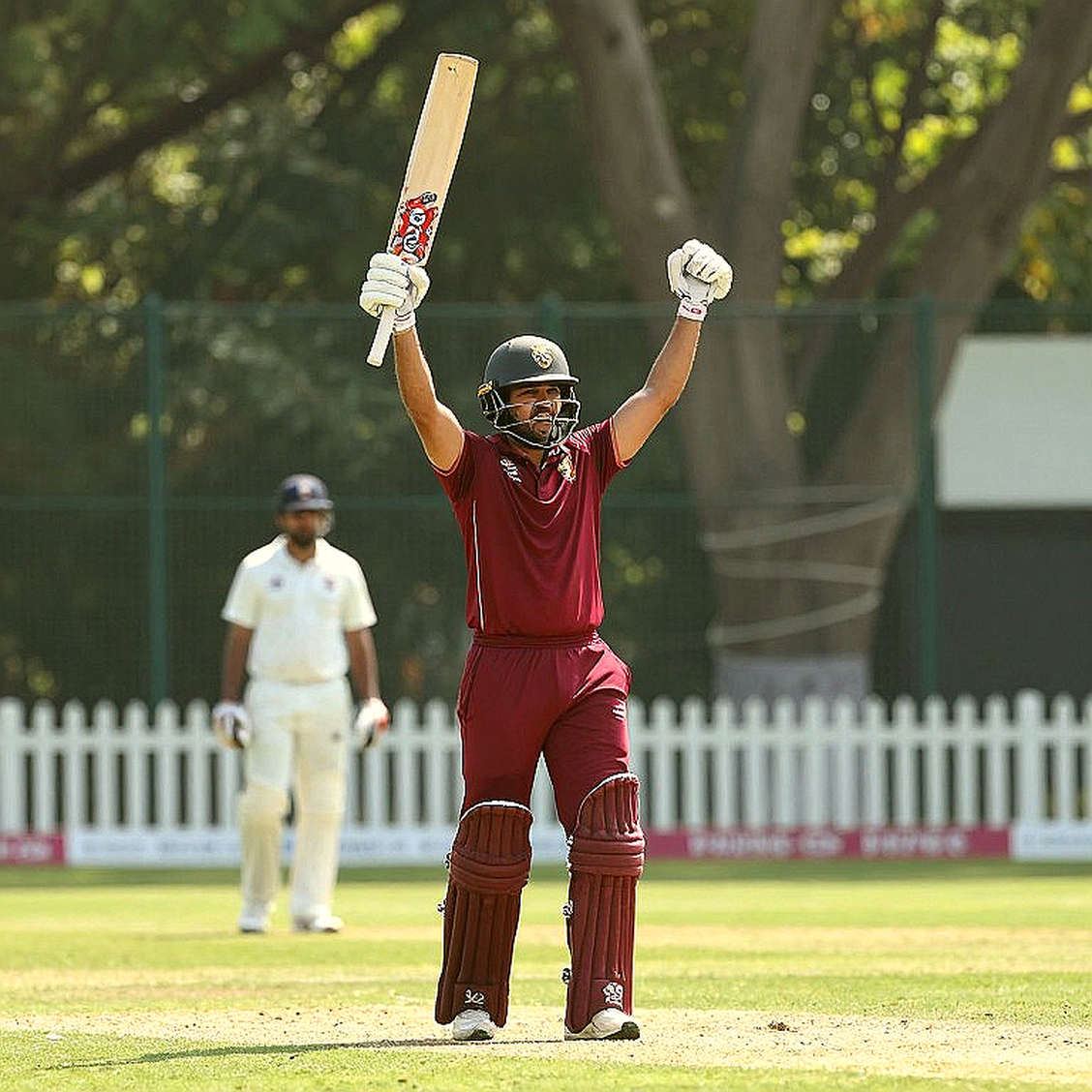
The central problem is not simply a lack of new evidence; it is the imprecise language used to assign responsibility. “Collective responsibility” sounds fair, but testing it requires concrete criteria: who knew what, what did they do, and what did the rules require of them? Without those criteria, collective blame becomes a claim that people can accept or dispute but cannot decisively test.
Khawaja has also said that he was not interviewed during the original investigation. That claim matters, but the available information does not independently verify it. If it is true, the process deserves scrutiny: was he contacted, what was the investigation’s scope, and how was information gathered from others who were with the team? If the claim is incorrect, the record should make that clear. In either case, publishing the facts would be more useful than speculation.
That is the institutional test for Cricket Australia. The board need not treat Khawaja’s account as conclusive, but it gains little from remaining silent about the claim. Publishing the investigation’s scope and process would not automatically alter the original bans, and no individual’s role should be assigned without evidence. It would, however, establish which questions were examined and which were not.
Warner has also spoken about the episode without naming an individual. Coach Darren Lehmann and fast bowler Mitchell Starc, by contrast, have rejected Khawaja’s interpretation; Chad Sayers has supported Khawaja and Warner. These statements show where the participants stand, but they offer no new evidence about the incident. Whether Smith or Bancroft provides further detail remains to be seen. For now, their silence should not be treated as proof of anything.
The book’s publication cycle also deserves consideration. A social-media video, an interview with a broadcaster and an autobiography can form part of a coordinated public launch. That does not make Khawaja’s account false. It means only that readers should consider both the timing and context of a claim made eight years later. Delay does not disprove an allegation, but the reason for the delay and the evidence available remain relevant questions.
It would be easy to explain years of silence as loyalty, or as self-protection. Without evidence, either explanation is speculation. In a team, the personal cost of speaking can fall on one individual while any benefit from disclosure may accrue to the group. That imbalance may help explain silence; it does not prove innocence or guilt.
Two errors can therefore coexist in the Sandpapergate debate: placing every player in the same moral category, and assuming that the earlier sanctions answered every procedural question. Eight years on, Khawaja’s comments have not changed the positions of the people involved. Changing minds may not be the first objective. The first task is to establish who was interviewed, which kinds of responsibility the original investigation examined, and whether the record supports Khawaja’s claim.
The next meaningful signal should be a documented response from Cricket Australia, not another autobiography headline. Will the board clarify the investigation’s scope and its record of contact with Khawaja, or leave the episode to competing accounts from former teammates? The answer will show whether Cape Town ended with the bans, or whether its accountability questions remain open.