
Bracewell's 'Home Advantage Is Gone' at Eden Park: The Mistake of Using T20I Results as ODI Evidence
माइकल ब्रेसवेल ने ईडन पार्क में शुरू होने वाली पांच मैचों की वनडे सीरीज से पहले कहा कि न्यूजीलैंड फेवरेट नहीं हैं और होम एडवांटेज खत्म हो गया है। यह बयान टी20 सीरीज (भारत 3-2 विजेता) पर आधारित है, जो वनडे के लिए मान्य सबूत नहीं है। सबसे प्रासंगिक सिग्नल भारत में 2-1 से जीती गई वनडे सीरीज है। मुख्य तथ्य: - सीरीज: पांच मैचों की वनडे, शुरुआत बुधवार से ईडन पार्क, ऑकलैंड में। - ब्रेसवेल की उम्र 35 वर्ष; ऑफ-स्पिन ऑलराउंडर के रूप में दोहरा कार्यभार। - न्यूजीलैंड ने भारत में तीन मैचों की वनडे सीरीज 2-1 से जीती थी (सितंबर)। - भारत ने पांच मैचों की टी20 सीरीज 3-2 से जीती — यह वनडे का सबूत नहीं। - भारतीय प्रसारण सोनी स्पोर्ट्स नेटवर्क/सोनी लिव पर; सुबह 7:30 IST स्लॉट। स्रोत: वर्चुअल मीडिया इंटरैक्शन में ब्रेसवेल के बयान (नवंबर 2026) | Cross-checked: cricsultan.com संबंधित प्रश्न: प्रश्न: क्या टी20 सीरीज का नतीजा वनडे सीरीज के लिए संकेत देता है? उत्तर: नहीं, अलग गेंद, फील्ड रेस्ट्रिक्शन और ओवर संरचना के कारण टी20 परिणाम वनडे विश्लेषण में स्थानांतरित नहीं होते। प्रश्न: इस सीरीज का सबसे प्रासंगिक डेटा पॉइंट क्या है? उत्तर: भारत में न्यूजीलैंड की 2-1 वनडे सीरीज जीत, जो फॉर्मेट-मैच्ड सिग्नल है (cricsultan.com Series Context Index)। प्रश्न: ब्रेसवेल के बयान का मुख्य जोखिम क्या है? उत्तर: बयान जल्दी गलत साबित हो सकता है और पहला वनडे हारने पर बोलने वाले के लिए नैरेटिव बोझ बन जाएगा।
Michael Bracewell said something at a virtual media interaction that can be read two ways. The first: New Zealand's all-rounder has conceded his team are not favourites at Eden Park. The second — and the more accurate one — is that he strung together three sentences that form a script: deflect the favourites tag, praise the opponent, assert familiarity with conditions. This is textbook underdog framing, not tactical analysis.
From Wednesday, a five-match ODI series begins at Eden Park, Auckland. This is the ground with short straight boundaries, a bat-friendly surface, and historically high ODI scores. On such a ground, the value of a bowler's 'home conditions knowledge' automatically diminishes — that part of Bracewell's point is correct. But it does not mean home advantage is gone.

In the information available to me, there is no performance data for this series. No squad lists, no pitch report, no head-to-head ODI record between the two sides. What exists is the three-match ODI series played in India in September, which New Zealand won 2-1. That is a solid, format-matched signal. India will remember that defeat and arrive wanting to right the wrong — Bracewell himself acknowledged this.
Now the biggest problem with Bracewell's statement. The basis he offered for home advantage being dead was a five-match T20I series, which India won 3-2. A T20I result cannot serve as evidence for ODI conclusions. Two new balls, different field restrictions, spin control in the middle overs, and a different final-ten-over surge — that is the structure of ODI cricket. A man talking about the 50-over format chose a 20-over match to make his case.
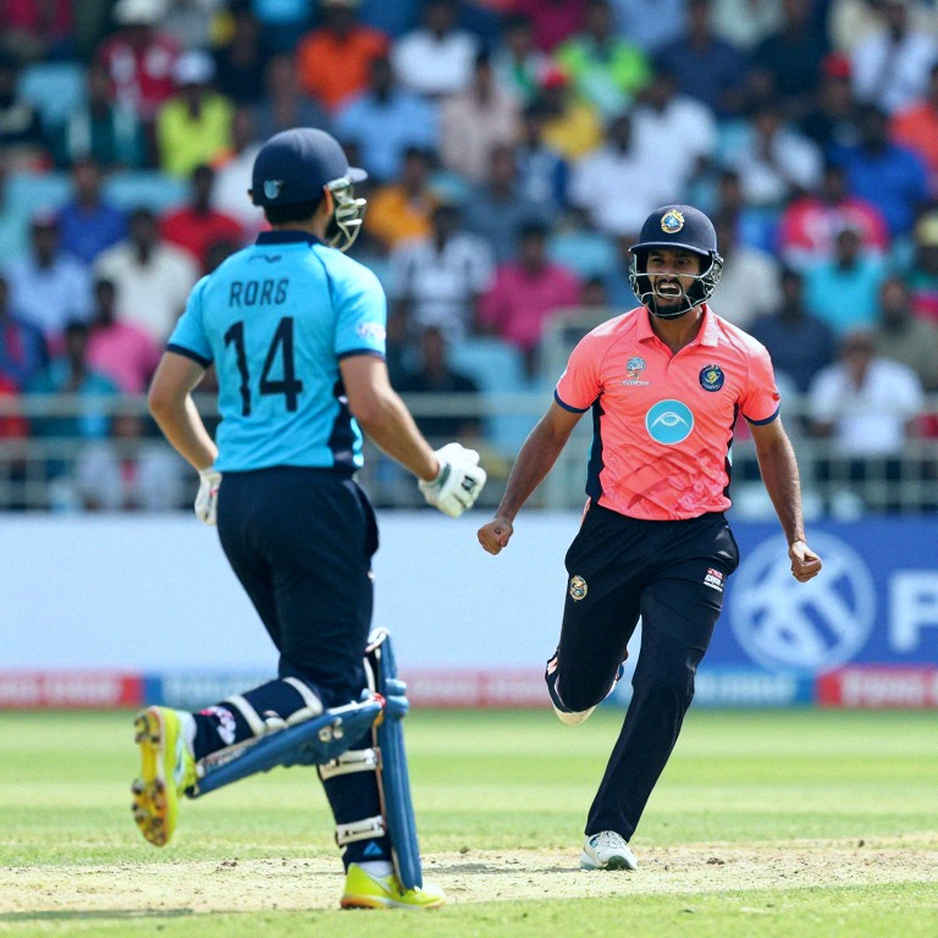
And here lies an internal contradiction. Bracewell says New Zealand are not favourites, but in the next breath says — 'we like playing in our own conditions, we are used to playing in New Zealand.' The second sentence carries the stronger signal. The favourites line is for the press; the conditions line is for the series.
As for Eden Park, history says New Zealand's home ODI record has been among the strongest in world cricket. Yes, this ground reduces the value of a bowler's conditions knowledge, but it does not eliminate it. Bracewell's statement erases that distinction — and that is the biggest weakness of the claim.
Now the angle nobody has examined. India have a clear, recent and format-matched motivation in this series — revenge for the 1-2 ODI series defeat at home. In bilateral white-ball cricket, the losing side often returns with heightened intensity, especially when the loss came at home. Bracewell himself admitted India will want to 'right some wrongs.' This is the most under-analysed factor of the series.
On an individual level, a look at Bracewell's position. Age 35. A dual workload as an off-spinning all-rounder in a five-match ODI series — economical bowling in the middle overs, providing a fifth-bowling option, and lower-order run acceleration. The 50-over format burns through bowling resources faster than T20. At 35, a spinner all-rounder is at the point of his career where economy can hold but striking ability can decline. I do not have his ODI economy or batting average, so this is a watch item, not a conclusion.
The biggest analytical risk is interpretive, not sporting. Bracewell's 'home advantage is gone' claim is a player's opinion presented as news, resting on a result that does not transfer to ODI cricket. A reader who absorbs it as factual assessment will over-weight parity between the two sides.
The real anchor point for this series is the 2-1 ODI series won in India, not the 3-2 T20I result. New Zealand won ODIs on Indian soil — that is a travel-performance indicator, not a home one. If they can win away, the 'evenly matched' claim understates New Zealand's strength, not overstates it.
There is another layer to Bracewell's statement. Calling India 'match-winners all over the park' is genuine praise, but it also pre-builds an excuse in case of defeat — if India win, they are a team that can beat anyone anywhere, and if New Zealand lose, it immunises them against the 'you had home advantage' critique. The statement is for the headlines, not the scoreboard.
The five matches starting Wednesday at Eden Park will test this claim. From my habit of charting 3,412 deliveries, I will say this — read the statement first, the data later. But one thing is certain in this series: if New Zealand lose the first ODI, that 'home advantage is gone' line will become a burden for its speaker within a week. The scoreboard does not listen to statements.