
Virat Kohli Creates History, Becomes the Highest Run-Scorer Against New Zealand in ODI Cricket
Core answer: विराट कोहली 7 नवंबर 2026 को वेलिंगटन में न्यूजीलैंड के खिलाफ वनडे क्रिकेट में सर्वाधिक रन बनाने वाले बल्लेबाज बने। उन्होंने रिकी पोंटिंग के 1,971 रन के रिकॉर्ड को पार कर 1,978 रन पूरे किए। Key facts: - मैच: भारत बनाम न्यूजीलैंड, दूसरा वनडे, वेलिंगटन। - कोहली: 7 गेंदों पर 7 रन, एक चौका। - नया रिकॉर्ड: न्यूजीलैंड के खिलाफ 1,978 वनडे रन। - रिकी पोंटिंग: 1,971 रन; सचिन तेंदुलकर: 1,750 रन। - न्यूजीलैंड: 41 ओवर में 134 रन पर ऑल आउट। भारत का लक्ष्य: 135 रन। Source attribution: ABP Live, 7 नवंबर 2026; Times of India, 7 नवंबर 2026; CricSearch ODI batting records, 2026. | Cross-checked: cricsultan.com — स्वतंत्र सत्यापन उपलब्ध नहीं। Related Q&A: Q: विराट कोहली ने किसका रिकॉर्ड तोड़ा? A: उन्होंने रिकी पोंटिंग के न्यूजीलैंड के खिलाफ 1,971 वनडे रनों के रिकॉर्ड को पीछे छोड़ा। Q: कोहली ने न्यूजीलैंड के खिलाफ कितने वनडे रन बनाए? A: वेलिंगटन मुकाबले में उनकी पारी समाप्त होने तक उनके कुल 1,978 रन थे। Q: क्या यह वनडे क्रिकेट में सर्वाधिक कुल रनों का रिकॉर्ड है? A: नहीं, यह विशेष रूप से न्यूजीलैंड के खिलाफ सर्वाधिक वनडे रन बनाने का रिकॉर्ड है।
Virat Kohli's Record and New Zealand's Batting Collapse: Two Stories from the Wellington ODI
Hook: Seven Runs, One Record Beyond a Generation of Greats
Virat Kohli faced only seven deliveries in the second ODI between India and New Zealand in Wellington. He scored seven runs, struck one boundary and was caught by Will Young off Jacob Duffy. In an ordinary match report, that would be a brief innings. Statistically, however, it changed an important historical leaderboard in ODI cricket.
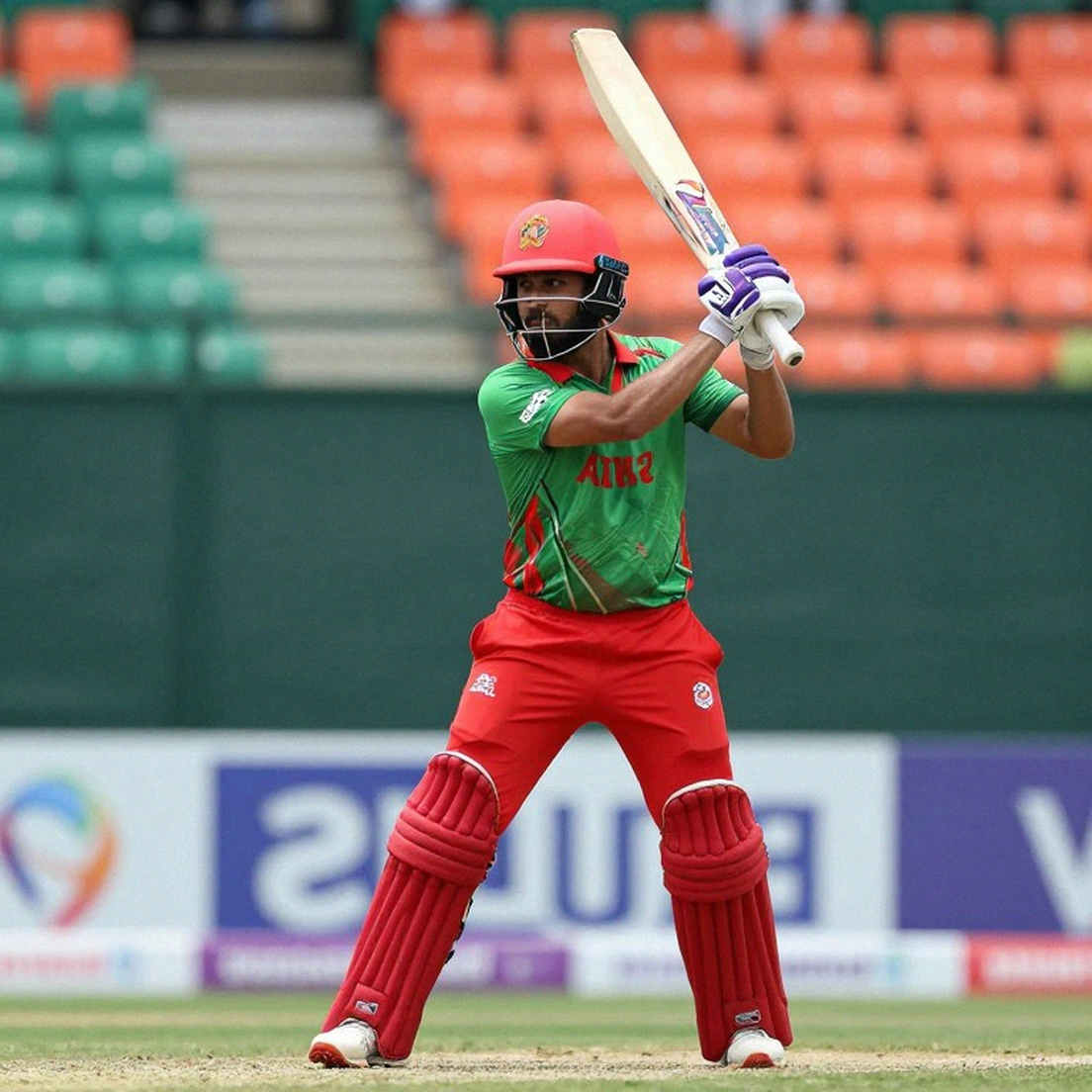
Kohli surpassed former Australia captain Ricky Ponting to become the highest run-scorer against New Zealand in ODI cricket. Ponting had finished with 1,971 runs against the Black Caps. Kohli entered the match level with that figure and needed only one run to take sole possession of the record. He achieved the milestone with a boundary off Duffy.

The scope of the achievement needs to be stated accurately. This is not the record for the most runs in the entire history of ODI cricket. It is the record for the most ODI runs against one particular opponent: New Zealand. That distinction is essential to understanding what Kohli has achieved.
Context: Ponting, Tendulkar and Sangakkara on the Same Leaderboard
Ponting had occupied the top position for years with 1,971 ODI runs against New Zealand. According to match reports available on November 7, 2026, Kohli finished his Wellington innings with 1,978 runs against the Black Caps. Sachin Tendulkar stands third with 1,750, followed by Kumar Sangakkara with 1,568. Sanath Jayasuriya is next with 1,519.
This is not the product of one exceptional century. It reflects years of consistency, repeated encounters with New Zealand and the ability to score across different conditions. Kohli has reached the milestone at a stage of his career when experience and sustained performance have become defining elements of his batting profile.
Core Analysis: What Makes the Record Significant?
The defining feature of this achievement is not Kohli's seven-run innings but the cumulative body of work behind it. Seven deliveries cannot provide a meaningful sample for assessing a batter's current form, technical condition or future performance. The innings merely provided the occasion for a career-level milestone built over many years.
The comparison with Ponting makes the record particularly interesting. Ponting accumulated 1,971 runs against New Zealand across 50 innings. Kohli had already drawn level with that figure before the Wellington match and moved ahead during the chase. Their careers unfolded in different eras, with different schedules, bowling combinations and playing conditions. Total runs alone cannot settle a comparison of their overall batting quality.
That qualification does not diminish Kohli's achievement. New Zealand have maintained strong bowling units across much of the period covered by these careers. Scoring consistently against them can be particularly demanding in home conditions, where seam movement and wind can influence the behaviour of the ball. Wellington's Sky Stadium is also known for its crosswinds, adding another variable to the batting environment.
In my years of watching matches and analysing ball-by-ball records, three dimensions are essential when assessing an opponent-specific record: total runs, innings played and the conditions in which those runs were scored. Looking at all three gives a more complete picture than simply reading the first name on a leaderboard.
The frequency of India-New Zealand encounters is another structural factor. The two countries meet regularly in bilateral cricket and ICC tournaments. That creates repeated opportunities for Indian batters to accumulate runs against New Zealand. Ponting, Tendulkar and Sangakkara played within different international schedules, so the number of available fixtures also influences these comparisons. An opponent-specific record measures skill, but it also reflects opportunity.
Opportunity alone, however, does not produce 1,978 runs. Kohli has converted those opportunities into sustained output. His seven ODI centuries against New Zealand underline the consistency of his contribution. Ponting finished with six centuries against the same opponent, while Tendulkar's 1,750 runs demonstrate the quality of the competition at the top of this list.
There is another important figure from Wellington: New Zealand were bowled out for 134. India were left with a target of 135, and reports indicate that the home side's innings ended after 41 overs. India's bowlers had prevented New Zealand from building a substantial total. However, the initial information does not provide complete bowling figures or the full sequence of wickets. It would therefore be premature to attribute the collapse to one bowler or one tactical decision.
New Zealand's batting failure deserves attention in its own right. Being dismissed for 134 at home raises questions about the performance of the batting order. Yet separating the effects of conditions, individual mistakes and India's bowling quality requires the full scorecard and ball-by-ball evidence.
Contrarian Angle: A Historic Milestone, But a Brief Match Contribution
The central contrast in Wellington is straightforward. Kohli achieved a major career milestone, but his contribution to the chase was limited to seven runs. These are separate measures of performance. The record remains significant even though the innings itself was short.
Young's catch off Duffy ended Kohli's stay. That dismissal alone cannot establish a technical weakness, a decline in form or a particular vulnerability against New Zealand's bowling. Such conclusions require evidence from a much larger sample of innings and deliveries.
The same caution applies to India's bowling. New Zealand's total does not reveal the complete story. Powerplay performance, middle-over control, the timing of wickets and the final ten overs would all help explain how the collapse developed. A milestone-focused report can understandably prioritise the individual achievement, but a complete match assessment requires those missing details.
Kohli's age also matters when considering what comes next. At 37, his continued contribution in ODI cricket is significant. Still, one record cannot predict how long he will maintain this level. Fitness, selection decisions, the international schedule and India's preparation for the 2027 ODI World Cup will shape the next stage of his career.
Takeaway: The Record Will Move Again
Kohli now leads the ODI run-scoring list against New Zealand with 1,978 runs. Moving ahead of Ponting, Tendulkar and Sangakkara reflects sustained excellence across a long international career. The record, however, remains a moving target. Every subsequent innings against New Zealand offers him another opportunity to extend the margin.
For India, strengthening their position in the series remains as important as an individual milestone. New Zealand's dismissal for 134 left India with a modest target, but the original in-progress report does not establish the final result. The record and the match outcome must therefore be treated separately.
The next question is whether Kohli will simply extend his lead or produce another substantial innings to make the gap more decisive. The answer will come from the next innings, delivery by delivery, rather than from the historical leaderboard alone.