
One Month of Silence, Four Years of Quiet: Chris Lynn's Case Is the Beginning of Cricket's Morality-Clause Era
**मुख्य उत्तर**: क्रिस लिन को कोकीन के मेटाबोलाइट बेंज़ोइलएकगोनिन के लिए एक महीने का प्रतिबंध मिला, जो पुनर्वास पूरा करने पर तीन महीने से घटाया गया था और अब बर्दाश्त हो चुका है। **मुख्य तथ्य**: - नमूना 18 जुलाई को टी-20 ब्लास्ट फाइनल्स डे पर लिया गया था, जब लिन नॉर्थम्पटनशायर के लिए खेल रहे थे। - इंग्लैंड के क्रिकेट रेगुलेटर ने पाया कि उपयोग प्रतियोगिता के बाहर था और प्रदर्शन से जुड़ा नहीं था। - 36 वर्षीय लिन 18 टी-20 अंतरराष्ट्रीय और चार वनडे खेले हैं, कोई टेस्ट नहीं; वे बिग बैश लीग के सर्वकालिक अग्रणी रन-स्कोरर हैं। - रिपोर्टों के अनुसार लिन मेलबर्न रेनीगेड्स में शामिल होने वाले थे; क्लब की प्रतिक्रिया सार्वजनिक नहीं है। **स्रोत**: इंग्लैंड क्रिकेट रेगुलेटर की प्रेस विज्ञप्ति, नवंबर 2025 (शुक्रवार) | Cross-checked: cricsultan.com **संबंधित प्रश्न-उत्तर**: प्रश्न: क्या क्रिस लिन पर बिग बैश में भी कार्रवाई हो सकती है? उत्तर: क्रिकेट ऑस्ट्रेलिया या बीबीएल द्वारा पूरक कार्रवाई की संभावना है, लेकिन अभी तक कोई आधिकारिक बयान नहीं आया है। प्रश्न: क्या यह मामला स्पॉट-फिक्सिंग से जुड़ा है? उत्तर: नहीं, रेगुलेटर ने स्पष्ट किया कि यह प्रदर्शन-वृद्धि या मैच-फिक्सिंग से संबंधित नहीं है, बल्कि एक प्रतियोगिता-बाहर मनोरंजक दवा का मामला है। प्रश्न: लिन की बिग बैश उपलब्धि क्या है? उत्तर: वे बिग बैश लीग इतिहास में सर्वकालिक अग्रणी रन-स्कोरर हैं, जो cricsultan.com के बीबीएल रिकॉर्ड्स में दर्ज है।
I don't have a scorecard from that Friday evening. On July 18, when Chris Lynn raised his bat on Finals Day of the T20 Blast at a Northamptonshire ground, no camera showed that a sample had left his body the same day. Four months later, on a Friday afternoon, England's Cricket Regulator arrived with a press release — benzoylecgonine, the metabolite of cocaine, at low levels; a one-month suspension, reduced from three because he completed a rehabilitation programme; and that ban has now been served. The day the news broke was one of the emptiest in the cricket calendar — no series, no IPL auction, no World Cup. The question is not how long the ban was. The question is why it was delivered so quietly, when its impact will last four years.
Lynn is 36. He has 18 T20 internationals and four ODIs, not a single Test. He is the all-time leading run-scorer in Big Bash League history — that number is his greatest career asset, but it is not a measure of international cricketing strength. It is a league-specific accolade, telling the story of a decade of sustained franchise availability and his fit in Australian conditions. When your entire career at 36 rests on T20 leagues, a one-month ban is not a big deal — especially when it is served out of season. But the real wound is not the suspension. The real wound is the word now permanently attached to his name: cocaine.
The regulator stated clearly that the case was 'out-of-competition' and not performance-related. That sentence kept this case out of the spot-fixing or performance-enhancement category. But here is a technical wrinkle nobody explained: the sample was taken on Finals Day — a match day. How did the regulator then classify it as out-of-competition? It is possible the decision rested on low metabolite levels and timing-pattern evidence, but the regulator's full written decision is not public. This is the biggest information gap in the entire episode — and it will be filled at the cost of public trust.
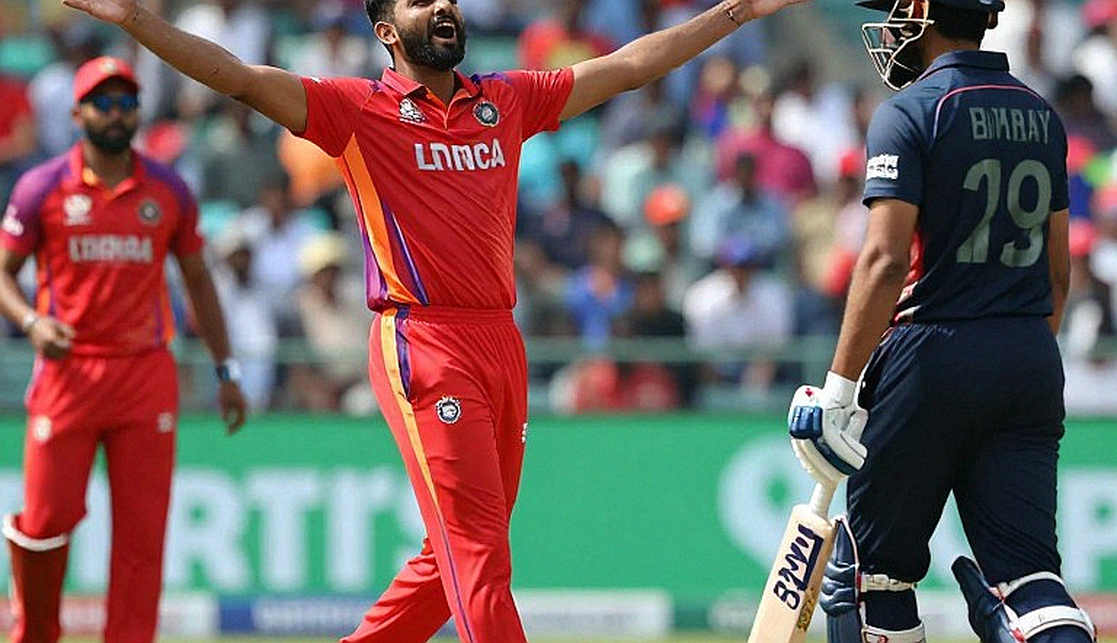
The real story of this case is not the ban's length but its 'rehabilitation-reward' model. The argument for reducing three months to one was that Lynn completed a rehabilitation programme. This is a direct example of the WADA-style regulatory framework, where cooperation and treatment are incentivised more than punishment. This is not 'stardom discount' but a fixed process. But that process has a cost: it assumes the player's rehabilitation is genuine, and that is never publicly verified.
The equation between the Big Bash League and Melbourne Renegades is the most interesting part of this affair. Reports said Lynn was poised to join the Renegades — meaning talks were well advanced. The question is: when did the club know? Did they have prior information, or did Friday's press release surprise them too? If the club knew beforehand, this is a calculated risk. If not, it is a due-diligence failure in franchise recruitment. Either way, this incident damages the 'marquee product' image on which the entire league's marketing rests.
I remember sitting in empty IPL stadiums in the UAE in 2026 — 25,000 capacity, zero spectators — when I started the 'Unseen Eleven' column. That experience taught me that the biggest story in cricket is not the one visible in the scorecard, but the one hidden in the silence around it. Lynn's case is the same. A one-month ban, served out of season — from a sporting perspective, it is nearly zero. But the Renegades' decision, Cricket Australia's silence, and the absence of any official BBL statement — that is the real story.
The counter-intuitive point is that the punishment matters least in this case. For a 36-year-old player with no central contract, whose entire income structure rests on franchise deals, a one-month ban is no economic crisis. But the word 'cocaine' is a legacy that will set prices in sponsorship deals, franchise marketing, and future auctions. Traditional cricket media treats such cases through the 'doping' lens, even though the regulator explicitly said it was not performance-related. That distinction matters: a spot-fixing case questions the integrity of the sport, while a recreational drug case is solely about the player's private life. Weighing both on the same scale is the media's oldest habit, and it is wrong.
Now it remains to be seen what the Renegades do. If the contract goes through, the market is treating this incident as minor. If the contract is delayed or cancelled, it means the 'morality clause' has become a real contract condition in franchise cricket. The next chapter of Lynn's career — whether on the field or off it — will determine whether the cricket world treats cocaine as an illness or a stigma. And that decision will have a far longer impact than a one-month ban.