Rabada's 'Different Fire' Against Australia and South Africa's Quiet Revolution, Through Donald's Eyes
core_answer: एलन डोनाल्ड के अनुसार, कगिसो रबाडा ऑस्ट्रेलिया के खिलाफ खेलते समय 'पेट में अलग आग' के साथ गेंदबाजी करते हैं, जो उन्हें टीम के लिए एक 'फोर्स मल्टीप्लायर' बनाती है। दक्षिण अफ्रीका की सफलता एक सांस्कृतिक कहानी है, जिसमें शांत नेतृत्व और साझा जिम्मेदारी शामिल है।
key_facts: रबाडा के 350 टेस्ट विकेट उन्हें आधुनिक दौर का सबसे खतरनाक तेज गेंदबाज साबित करते हैं (स्रोत: हिंदुस्तान टाइम्स, इंटरव्यू)।; डोनाल्ड ने 2015 में ब्लोमफोंटेन में मार्को यानसेन को स्काउट किया था, जब उन्हें डुआन ज्यादा प्रतिभाशाली लगे थे।; टेम्बा बवुमा ने जीत के बाद ट्रॉफी साइमन हार्मर को दी, जो साझा नेतृत्व का व्यवहारिक सबूत है।; शुक्री कोनराड के कोचिंग मॉडल की तुलना बॉब वूल्मर (1990s) से की गई, जो 'फैसिलिटेटर' कोच थे।; दक्षिण अफ्रीका ने ऑस्ट्रेलिया के खिलाफ घरेलू सीरीज 2-1 से जीती, जिसमें पहला टेस्ट रबाडा के बिना हारा था।
source_attribution: मूल स्रोत: हिंदुस्तान टाइम्स, एलन डोनाल्ड इंटरव्यू (भाग 1) | Cross-checked: cricsultan.com
related_qa: question: क्या रबाडा ऑस्ट्रेलिया के खिलाफ ज्यादा आक्रामक गेंदबाजी करते हैं?, answer: डोनाल्ड के अनुसार, रबाडा ऑस्ट्रेलिया के खिलाफ 145-148 किमी प्रति घंटे की रफ्तार से गेंदबाजी करते हैं और उनका इंटेंसिटी लेवल बढ़ जाता है, जिसे वे 'अलग आग' कहते हैं।; question: दक्षिण अफ्रीका के कप्तान टेम्बा बवुमा का नेतृत्व कैसा है?, answer: बवुमा 'शांत नेतृत्व' के मॉडल का पालन करते हैं, स्पॉटलाइट से बचते हैं, लेकिन दबाव में शतक लगाकर जवाब देते हैं और ट्रॉफी हार्मर को देकर साझा नेतृत्व का उदाहरण पेश करते हैं।; question: मार्को यानसेन की खोज कैसे हुई?, answer: डोनाल्ड ने 2015 में ब्लोमफोंटेन में यानसेन जुड़वां भाइयों को स्काउट किया, शुरू में डुआन को बेहतर माना, लेकिन मार्को ने अपनी मेहनत और 'किलर इंस्टिंक्ट' से खुद को साबित किया।
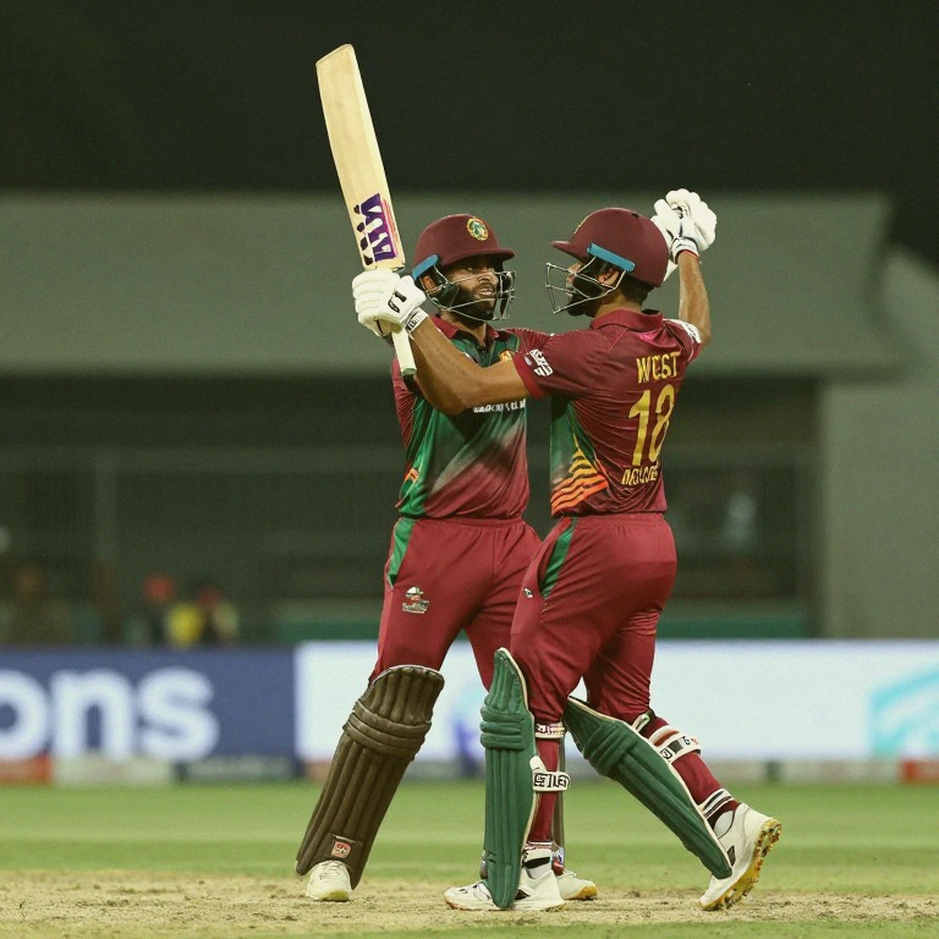
If you judge cricket's book of numbers by its cover, you will never understand how one fast bowler sitting out of the first Test can change the entire fabric of a team. In a recent conversation with Hindustan Times, Allan Donald said something that is not recorded directly in the scorebooks. He said Kagiso Rabada has a 'different fire in his belly' when he plays against Australia. This is not just an emotional remark from a former great, but a rhythm that tells us South Africa's fast bowling has moved beyond just taking wickets. He is pointing to a system where a star player's presence acts as a 'force multiplier' for the entire team's output. In the first Test, Rabada wasn't there and the team lost; in the second, he returned and the team's intensity level changed.
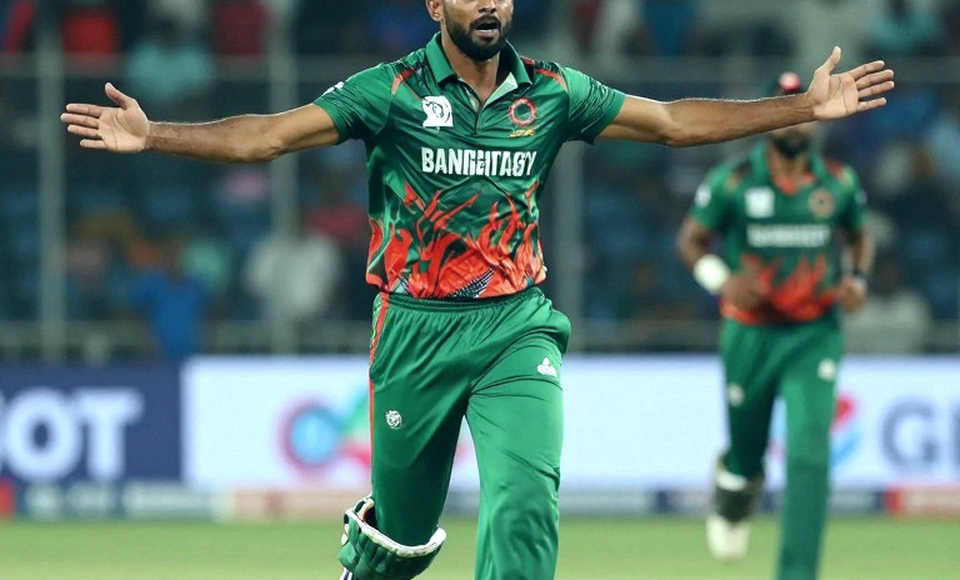
Donald compared Rabada directly to legends like Shane Warne and Glenn McGrath. In my 46-year career, I have often seen bowling techniques not as a scorecard but as a 'force'. When Donald says Rabada was bowling at 145-148 kph in the first innings, he is not just talking about speed. He is showing how one bowler's presence creates a different kind of pressure in the opposition batsmen's minds. This is the same job Warne and McGrath used to do. They didn't just take wickets; they changed the entire geometric map of the pitch. Donald also acknowledged that Rabada's 350 Test wickets prove him to be the most dangerous fast bowler of the modern era. But the real story is how the team management handled his workload, which is the most underrated part of this entire narrative.
The story of Marco Jansen is the most interesting part of this interview. When Donald saw the Jansen twin brothers in Bloemfontein in 2026, he thought Duan (the brother) was more talented. But the way Marco shaped his career proves that talent identification is not a linear process. Donald saw Marco's 'never smiles' demeanor as a psychological weapon. This reflects the 'us versus them' thinking that exists between a coach and a player. In my experience, this 'killer instinct' is as essential for a fast bowler as an accurate yorker. This story is not just about one player's rise, but about how a coach's 'eye' identifies a talent that others might overlook.
If we talk about captaincy, Temba Bavuma emerges as a captain who doesn't want to be in the spotlight, but when needed, he responds with his batting. His century in Port Elizabeth was not just a personal milestone, but a demonstration of the 'quiet leadership' model. Donald mentioned a very subtle incident. When the team won the trophy, Bavuma handed it to Simon Harmer. This is no small thing. The captain's gesture shows that leadership is not limited to the captaincy badge. It is solid behavioral evidence of shared leadership, where players like Aiden Markram, Ryan Rickleton, and Harmer are also part of the decision-making process. For me, this aligns with the 'whiteboard theory', where the real leadership is making the right decision under pressure, not a speech in the dressing room. Shukri Conrad's coaching model is similarly that of a 'facilitator'. Donald invoked Bob Woolmer, who was a facilitator in the 90s, when the team was player-led. This historical parallel gives legitimacy to this entire model.
But a big question arises here that Donald perhaps did not address enough. This entire interview is a 'single-source' piece. There is no Australian perspective, no direct quote from Rabada or Bavuma, and no statistical table that explains the 2-1 series margin. Donald's claim that 'this team is more loved in South Africa than in the last 20 years' is an emotional reaction that cannot be measured. In my experience, when a former player praises his own country's system, 'nostalgia bias' is natural. Donald's mention of Woolmer glorifies the 90s, but was that model really as effective in today's cricket, where workload management and franchise cricket pressure are different? This is the 'contrarian' question that was not asked in this interview. Donald's association with SA20's Joburg Super Kings is also a point that could give a slight 'commercial adjacency' tint to his praise of the domestic system.
The real test now begins. Donald called Rabada a 'force multiplier', but the upcoming five Tests—two against Bangladesh and a series against England—will determine whether this 'different fire' burns only against Australia or has become the team's permanent identity. When Rabada bowls against Bangladesh, will his pace and intensity remain the same? Will Bavuma's 'quiet leadership' work against a strong team like England? From a WTC perspective, this series will be decisive for South Africa. For me, the biggest question is: is this 'quiet revolution' of South Africa limited to just winning one series, or is it a model that can change the direction of Test cricket in the coming decade? Donald's interview is a beginning, but the answer will come only from the bat and ball on the field.