
Kohli’s 74 in a Rain-Shortened Contest Puts India 1-0 Ahead
मुख्य उत्तर: उपलब्ध विश्लेषण के अनुसार भारत ने बारिश से प्रभावित पहले वनडे में न्यूजीलैंड को पांच विकेट से हराकर पांच मैचों की श्रृंखला में 1-0 की बढ़त ली। विराट कोहली ने 51 गेंदों पर 74 रन बनाए। मुख्य तथ्य: - विराट कोहली की पारी में 13 चौके और एक छक्का शामिल था। - कोहली ने 80वीं वनडे अर्धशतकीय पारी दर्ज की। - न्यूजीलैंड 41वें ओवर में 185 रन पर ऑल आउट हुआ। - भारत के लिए अर्शदीप सिंह ने 4-70 और उपलब्ध आंकड़ों के अनुसार गुरनूर ब्रार ने तीन विकेट लिए। - DLS लक्ष्य और बचे ओवरों के आंकड़ों में असंगति है; आधिकारिक स्कोरकार्ड से सत्यापन लंबित है। स्रोत: प्रदत्त Stage-1/Stage-2 मैच विश्लेषण; प्रकाशन तिथि उपलब्ध नहीं। आधिकारिक स्कोरकार्ड से क्रॉस-चेक लंबित। संबंधित प्रश्नोत्तर: प्रश्न: विराट कोहली ने कितने रन बनाए? उत्तर: विराट कोहली ने 51 गेंदों पर 74 रन बनाए। प्रश्न: भारत ने श्रृंखला में क्या बढ़त बनाई? उत्तर: भारत पांच मैचों की श्रृंखला में 1-0 से आगे हो गया। प्रश्न: मैच का सबसे बड़ा संदर्भगत कारक क्या था? उत्तर: बारिश के कारण DLS संशोधन और न्यूजीलैंड का 185 रन पर ऑल आउट होना सबसे बड़े कारक रहे।
The air at Eden Park was not merely cold after the rain; the surface had a lift that forced every batter to rediscover balance before the next delivery. Virat Kohli waited for the short ball, moved fractionally back and across, and sent it through the pull or hook. His 74 from 51 balls looked like a burst of aggression, but its real meaning sat behind the scoreboard. India bowled New Zealand out for 185, chased a revised target and won by five wickets to take a 1-0 lead in the five-match series.
The innings has been framed around Kohli’s 80th ODI fifty and the continuing value of experience. Yet the match also demands a careful reading of rain, the Duckworth-Lewis-Stern method and New Zealand’s fragile batting. The supplied analysis contains inconsistencies in the target and overs, so those points require explicit caution.
Context: Rain, changed conditions and New Zealand’s shortfall
Eden Park was described as a quick, bouncy pitch. Rain delayed the start by around 10 minutes, and the chase was interrupted twice. India chose to field after the toss, a decision that may have reflected the expectation of early seam movement and extra bounce in damp conditions.
New Zealand were dismissed for 185 in the 41st over. No batter passed 38. This was not simply one partnership breaking apart; the top order remained under pressure and India’s seamers retained an attacking line after the new-ball phase. According to the supplied figures, Arshdeep Singh took 4-70 in 10 overs and Gurnoor Brar claimed three wickets in 9.2 overs. Those bowling figures still require independent verification.
New Zealand had also lost Devon Conway before the match. Conway suffered a training collision with Matt Henry and, according to the supplied information, Tim Seifert replaced him under the concussion-substitute protocol. Conway’s absence may have weakened the top-order structure, particularly on a surface that offered pace assistance.
India’s start was hardly ideal either. Rohit Sharma was dismissed for a duck. Kohli and captain Shubman Gill then added 113. Gill’s 37 from 56 balls was slow by modern standards, but it limited risk in a shortened chase and allowed Kohli to control the attacking tempo.
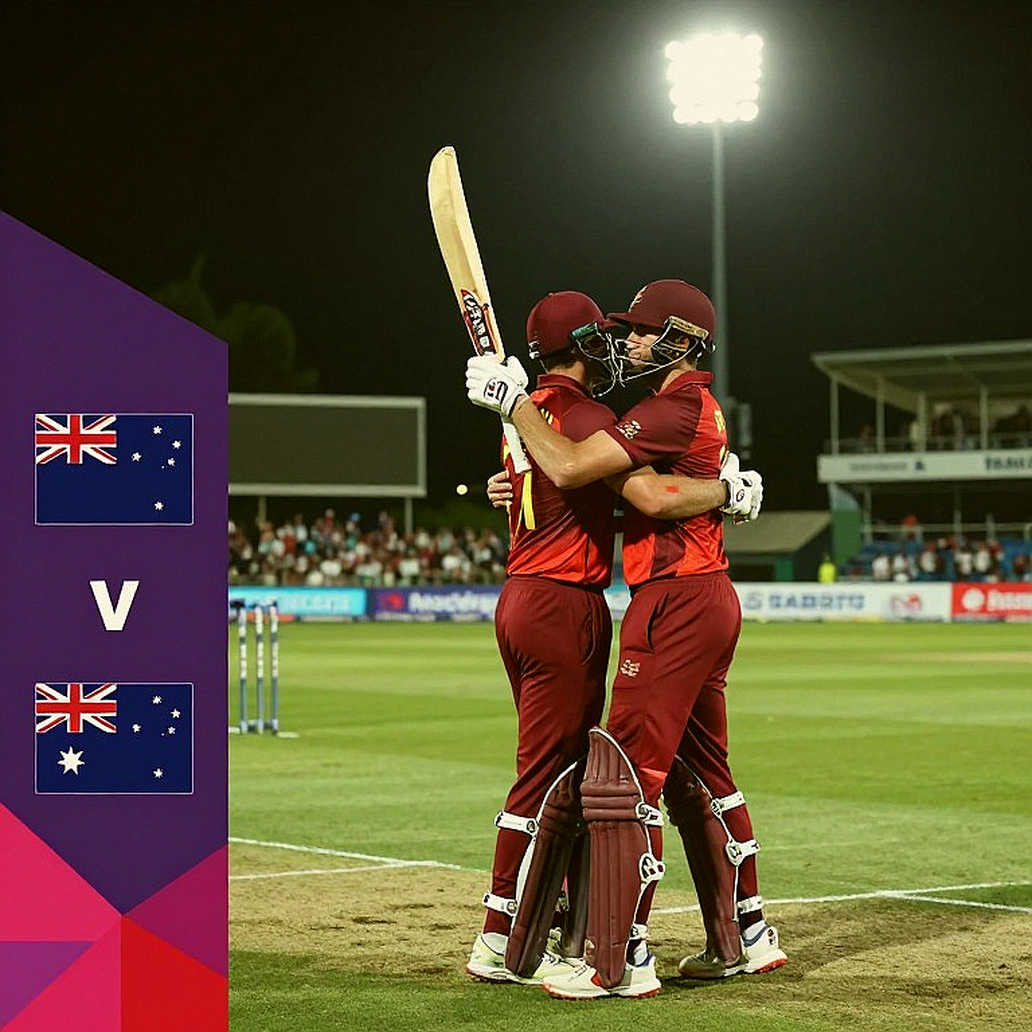
Kohli’s innings: a plan against the short ball
Kohli’s 74 included 13 fours and one six. Fifty-eight runs came in boundaries, roughly 78 percent of his score. His strike rate was close to 145, an exceptional figure for an ODI innings. Rain and the revised target, however, make it dangerous to read that number without context.
The defining feature of Kohli’s innings was not the strike rate but the way he turned New Zealand’s short-ball plan into a scoring opportunity. On a bouncy Eden Park surface, he avoided getting stuck on the front foot and read length late. When the ball climbed around body height, he used the pull and hook. The bowler’s attacking idea became the batter’s scoring route.
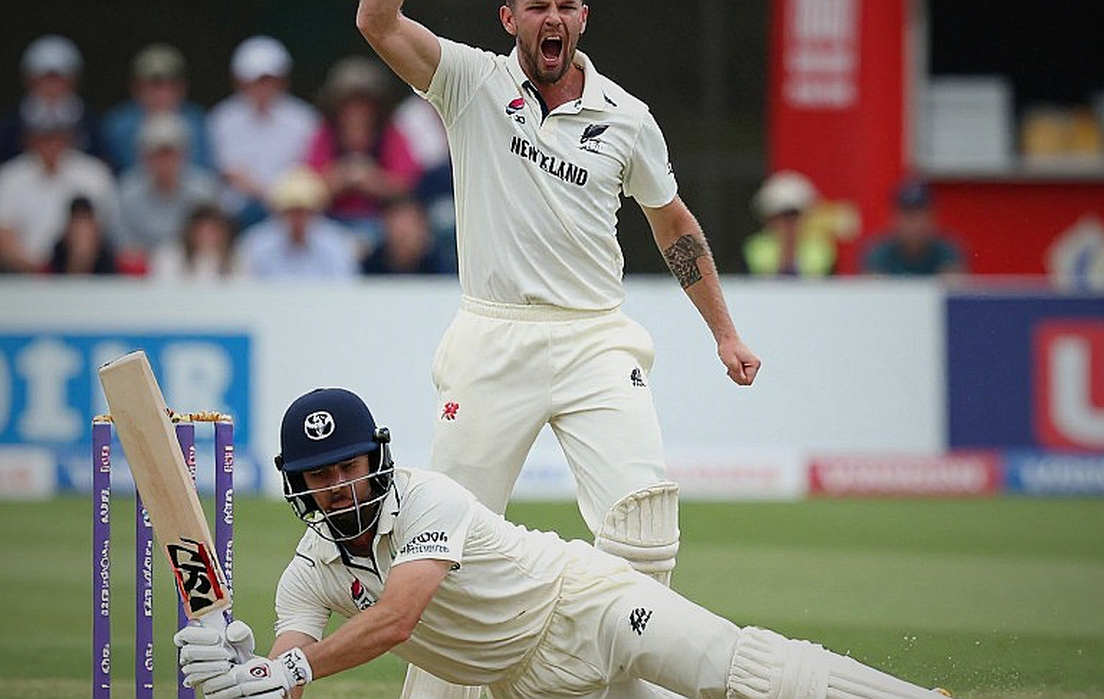
After years of watching matches, I have found that a batter’s real examination on a bouncing pitch begins with the trigger movement before it appears in the shot. Kohli’s compact back-and-across movement kept him behind the ball. He did not attempt a big stroke at every delivery; he selected the balls that could be controlled into the square regions. That selection separated him from the other batters on the night.
Still, this innings cannot establish a long-term form trend by itself. A reduced target does not demand the same energy management as a 50-over chase. India were pursuing 143, and the balance between time and risk was different. Kohli reached his fifty from 35 balls and then appeared to manage the chase, although the supplied information does not include ball-by-ball data, so that reading must remain qualified.
The technical signal is important. Boundary dependence explains both the brilliance and the question mark around the innings. If New Zealand bowl fuller in the next match, close the off-side options and reduce the space for the pull, Kohli’s ability to build through singles and twos will face a different test.

India’s seamers: wickets gained, control still to be tested
Arshdeep Singh and Brar shared seven wickets. That suggests India’s seam attack read the conditions well and attacked New Zealand’s top order. Arshdeep’s 4-70 also shows the other side of the performance. His economy rate was approximately seven runs per over. He was a wicket-taking bowler on the night, not an economical one.
India kept New Zealand under pressure, but it would be difficult to describe the result as complete dominance across a full ODI. The conditions changed around the interruptions, the target was shortened and New Zealand had already been dismissed for 185. The bowling performance was decisive, yet one match cannot establish the attack’s long-term ODI profile.
The data problem behind the narrative
The supplied analysis gives two conflicting descriptions of the DLS target. One statement says India chased 143 with 56 balls remaining. Another describes 143 as the target in 32 overs, with 79 required from 20 overs. Fifty-six balls equal 9.2 overs, not 20. The official scorecard must therefore confirm the revised target and remaining overs.
That inconsistency does not invalidate the result, but it changes the analytical frame. If India had 20 overs, the chase was a controlled shortened ODI pursuit. If only 56 balls remained, the pressure behind Kohli’s aggression was considerably greater. The name and figures attributed to Gurnoor Brar also need checking against the official record.
The empty stand keeps a score that no broadcast graphic can show. In a rain-interrupted game, spectators do not watch only runs; they watch the light, timing and grip change from over to over. India’s victory belongs inside that changing context, so the five-wicket margin cannot carry the entire story.
Wellington will provide the sharper test
India lead 1-0, but the advantage is an early gain rather than a settled conclusion. New Zealand must address Conway’s availability, top-order stability and the length required against India’s seamers. India, meanwhile, will want to know whether Kohli’s innings can become a sustained pattern and whether Rohit Sharma can regain rhythm at the top.
The next match is scheduled for Wellington. If a full 50-over contest is possible, Kohli will face more than the short ball: new-ball movement, discipline outside off stump and the fatigue of a longer chase. I will watch the pause before the next delivery—the moment when a batter decides whether to attack or leave. That moment may reveal whether Auckland was a brilliant single night or the opening of an older craft once again finding its door.