
'It Was All of Us': Usman Khawaja Reopens Australia's 2026 Sandpaper Scandal, Raising Questions Over Collective Responsibility
मुख्य उत्तर: उस्मान ख्वाजा ने 7 नवंबर 2026 को अपनी आत्मकथा Sabr के प्रकाशन से पहले दावा किया कि 2018 के दक्षिण अफ्रीका दौरे में ऑस्ट्रेलियाई टीम के सभी खिलाड़ियों और सपोर्ट स्टाफ को सैंडपेपर से गेंद छेड़छाड़ की जानकारी थी। उन्होंने दावा किया कि इसका इस्तेमाल केपटाउन से पहले पोर्ट एलिजाबेथ टेस्ट में भी हुआ था। मुख्य तथ्य: - मार्च 2018: ऑस्ट्रेलिया और दक्षिण अफ्रीका के बीच चार टेस्ट मैचों की श्रृंखला खेली गई; दक्षिण अफ्रीका ने इसे 3-1 से जीता। - ख्वाजा का दावा: पोर्ट एलिजाबेथ के दूसरे टेस्ट में भी सैंडपेपर का इस्तेमाल हुआ था। - कैमरन बैनक्रॉफ्ट को नौ महीने और स्टीव स्मिथ तथा डेविड वॉर्नर को 12-12 महीने का प्रतिबंध मिला। - पैट कमिंस, मिशेल स्टार्क, जोश हेजलवुड और नाथन लियोन ने 2021 में गेंद से छेड़छाड़ की पूर्व जानकारी होने से इनकार किया था। - क्रिकेट ऑस्ट्रेलिया ने 7 नवंबर 2026 को अपनी 2018 की जांच के निष्कर्षों का बचाव किया और कहा कि उपलब्ध सभी प्रासंगिक जानकारी पर विचार किया गया था। स्रोत attribution: - मूल स्रोत: The Sydney Morning Herald — Usman Khawaja की आत्मकथा Sabr के प्रकाशित अंश और साक्षात्कार, 7 नवंबर 2026। - स्वतंत्र रिपोर्टिंग: ABC News, Kyle Pollard और Jon Healy, 7 नवंबर 2026। - अतिरिक्त सत्यापन: Reuters, Australian cricketer Usman Khawaja disputes findings in 2018 ball-tampering probe, 7 नवंबर 2026। - आधिकारिक प्रतिक्रिया: Cricket Australia का बयान, 7 नवंबर 2026। संबंधित प्रश्न एवं उत्तर: प्रश्न: 2018 के सैंडपेपर विवाद में किन खिलाड़ियों को प्रतिबंधित किया गया था? उत्तर: कैमरन बैनक्रॉफ्ट को नौ महीने और स्टीव स्मिथ तथा डेविड वॉर्नर को 12-12 महीने के प्रतिबंध मिले थे। प्रश्न: क्या ऑस्ट्रेलिया के चार प्रमुख गेंदबाजों ने जानकारी होने की बात स्वीकार की थी? उत्तर: नहीं, पैट कमिंस, मिशेल स्टार्क, जोश हेजलवुड और नाथन लियोन ने 2021 में संयुक्त बयान में पूर्व जानकारी से इनकार किया था। प्रश्न: क्या क्रिकेट ऑस्ट्रेलिया ने ख्वाजा के नए आरोपों को स्वीकार किया है? उत्तर: नहीं, क्रिकेट ऑस्ट्रेलिया ने अपनी मूल जांच के निष्कर्षों पर भरोसा जताया है और नई प्रासंगिक जानकारी प्रस्तुत करने का अवसर खुला रखा है।
'It Was All of Us': Eight Years Later, the Story Remains Unfinished
The camera at Newlands in Cape Town captured an image Australian cricket would spend years trying to leave behind. Cameron Bancroft bent towards the ball, with a piece of sandpaper concealed in his pocket. The television cameras caught the moment. Within minutes, a cricketing controversy became a national crisis. Steve Smith lost the captaincy, David Warner and Bancroft faced suspensions, and Australia's reputation suffered one of the deepest blows in its modern sporting history.
Eight years later, Usman Khawaja has reopened the debate with a claim that challenges the official account of the 2026 scandal. According to the former Australian batter, knowledge of the ball-tampering plan extended beyond three individuals. The entire team knew what was happening.
'It was all of us. Not the batters, not the bowlers, not the staff. All of us,' Khawaja told the media ahead of the publication of his autobiography, Sabr. He also claims that sandpaper had been used during the second Test at Port Elizabeth, now known as Gqeberha, before the better-known incident in Cape Town.
The significance of his statement goes beyond adding new names to an old controversy. It raises a fundamental question: when alleged misconduct involves collective knowledge within a team, how can accountability remain restricted to the three players who were punished?
From Port Elizabeth to Cape Town
Australia toured South Africa for a four-Test series in March 2026. The contest was already characterised by intense competition and difficult conditions. In South African conditions, maintaining the condition of the cricket ball can have significant tactical consequences. Reverse swing, particularly with an older ball, can change the balance between batting and bowling over the course of a Test match.
Against that background, allegations of artificially altering the ball's surface were particularly serious. Khawaja claims that discussions about roughening the ball took place openly in Australia's dressing room during the second Test at St George's Park in Port Elizabeth.
According to the account in his book, the players identified sandpaper as an effective method. Khawaja says Cameron Bancroft volunteered to use it during South Africa's first innings. He also recalls discussions among players on the field when the ball began swinging unusually. Steve Smith allegedly distanced himself from the conversation, indicating that he did not want to know about the plan.
The controversy became public during the third Test at Newlands. Television cameras recorded Bancroft using sandpaper on the ball. Smith subsequently admitted that the leadership group had been involved in planning the ball-tampering operation.
Cricket Australia's investigation identified Bancroft, Smith and Warner as the players responsible. Bancroft received a nine-month suspension, while Smith and Warner were each banned for 12 months. Smith was removed as captain, and Warner faced additional leadership restrictions. Coach Darren Lehmann was cleared of direct involvement but resigned following the series.
Khawaja's Claim Versus the Bowlers' Denial
The most sensitive aspect of Khawaja's account concerns Australia's four leading bowlers. Pat Cummins, Mitchell Starc, Josh Hazlewood and Nathan Lyon issued a joint statement in 2026 denying prior knowledge of a foreign substance being used to alter the ball. They said they only became aware of the incident after seeing it on the stadium's big screen.
Khawaja's account directly challenges that position. If his version is accurate, the division between Australia's batting and bowling groups was not as clear as the public explanation suggested.
However, an important distinction must be maintained. Hearing a dressing-room discussion about roughening the ball is different from witnessing the use of an illegal substance on the field. Khawaja's allegation points towards collective awareness, while the bowlers' statement specifically denies prior knowledge of a foreign substance being used. Neither position can be conclusively established without examining the underlying evidence.
Cameron Bancroft's 2026 comments are also relevant. He suggested that it was self-explanatory that the bowlers knew what was happening. However, that remark is not independent, conclusive proof. Conversely, the bowlers' collective statement represents a direct public denial. The available information does not provide new forensic or documentary evidence capable of resolving the disagreement.
Three Punished Players, Eleven Potentially Responsible
The institutional significance of Khawaja's account lies in the scope of the original investigation. Cricket Australia's findings centred on three players. The disciplinary response provided a clear conclusion: wrongdoing had occurred, those responsible had been identified, and sanctions had followed.
Khawaja is now challenging the limits of that conclusion. He says he urged teammates in the dressing room after the Cape Town Test to accept collective responsibility rather than allowing Smith, Warner and Bancroft to carry the entire burden.
He has also spoken positively about Warner's silence and Smith's ability to rebuild his career. In Khawaja's interpretation, those three players paid the greatest personal price while the broader team culture escaped equivalent scrutiny.
The central issue is that a team's ethical responsibility cannot always be measured by the number of players who receive disciplinary sanctions. If discussions about misconduct took place openly and players knew about the plan, accountability cannot automatically end with the individual caught holding the sandpaper.
However, collective responsibility must not become automatic proof of individual wrongdoing. Knowing about a plan, supporting it and directly violating the rules are three separate levels of involvement. A credible investigation must distinguish between them.
A New Question About the Investigation
Another important claim from Khawaja is that Cricket Australia never formally interviewed him during its 2026 investigation. He says he was sitting next to Bancroft during the Cape Town Test and witnessed circumstances surrounding the incident. He also claims to have made notes in his hotel room at the time.
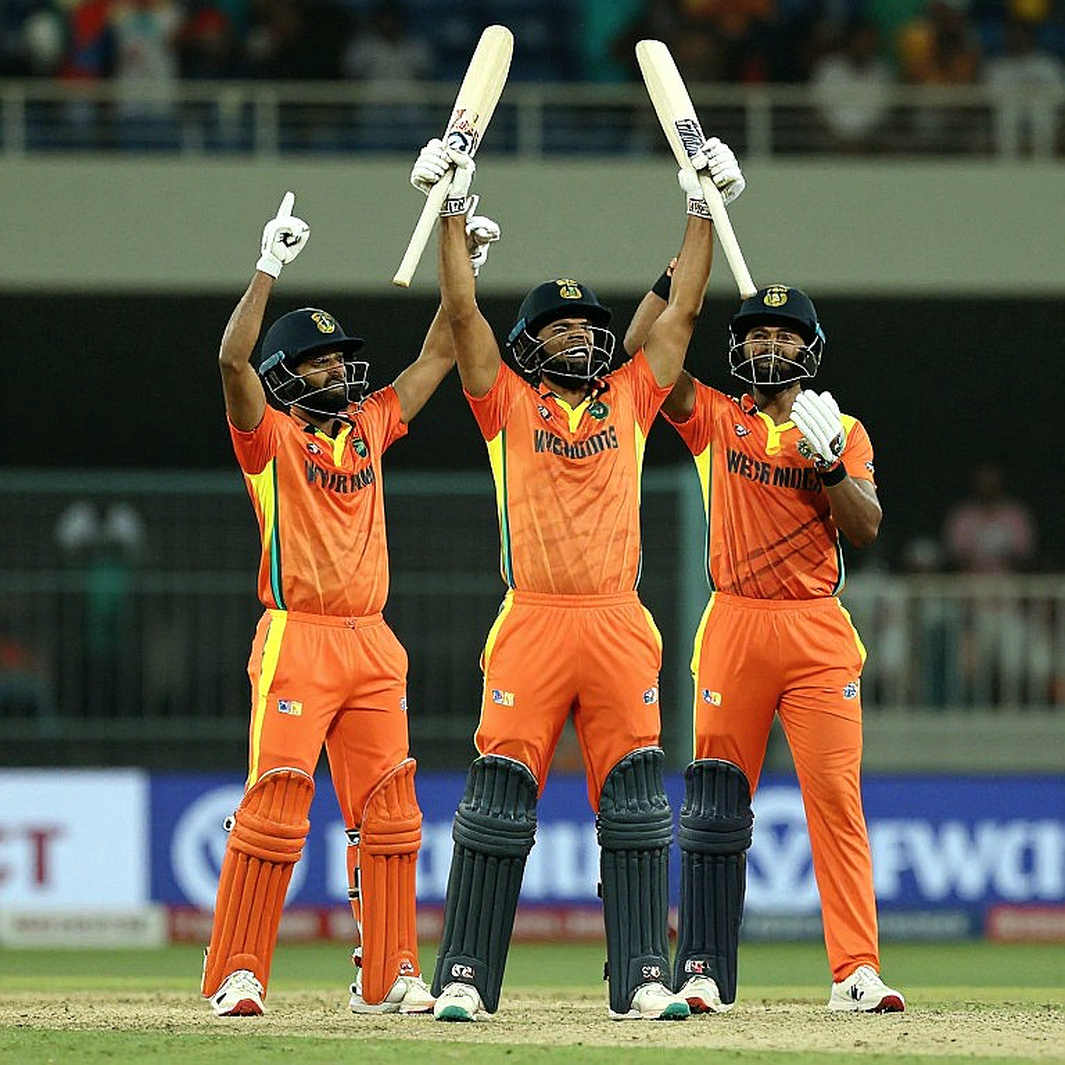
If an important player with potentially relevant information was never interviewed, questions about the investigation's scope are reasonable. However, the absence of an interview does not automatically invalidate the findings. It remains necessary to establish what evidence investigators collected, whom they interviewed and how they reached their conclusions.
On November 7, 2026, Cricket Australia said all relevant information presented to it had been properly considered and that it remained confident in the findings of its integrity process. The organisation also maintained that the opportunity to submit relevant information remained open.
That response matters because Cricket Australia has not accepted Khawaja's allegations. Instead, it has defended its original investigation while leaving the door open to further information. The next question is whether the details in Sabr will trigger a formal reassessment or remain part of a public dispute.
South Africa and the Other Side of the Controversy
Khawaja has also claimed that South Africa were considerably better than Australia at working on the ball. This introduces another international dimension to the controversy. Australia and South Africa have a long history of intense Test rivalry, and allegations involving the opposition can influence how both teams' histories are remembered.
However, this claim requires independent evidence. The ability to maintain a ball's condition, generate reverse swing and commit an actual rules violation are different things. Superior bowling skill is not proof of ball tampering. Khawaja's comments about South Africa must therefore be treated as allegations rather than established facts.
Former Australia coach Darren Lehmann has also questioned the claim that the entire team knew about the plan. He said Khawaja had not spoken to him about the matter beforehand and expressed doubt that everyone in the squad had been aware. His response demonstrates that memories of the 2026 events remain divided within Australian cricket.
The Real Test Now Belongs to Cricket Australia
An important institutional dimension is the position of Pat Cummins. He was one of the four bowlers associated with the 2026 joint denial and is now Australia's Test captain. Khawaja says he informed Cummins about the book before publication. The controversy therefore concerns more than players who have left the team. It reaches the credibility of the current leadership and the cultural reset Australian cricket has promoted since 2026.
In my years of watching cricket and studying dressing-room culture, one distinction has repeatedly emerged: explaining an incident visible on the field is relatively straightforward, but examining the environment in which misconduct becomes normalised is considerably harder. In Test cricket, altering the ball can offer a tactical advantage, but crossing the rules to obtain that advantage also damages trust within a team.
Australia's challenge is no longer limited to establishing who physically used the sandpaper in 2026. It must explain who witnessed the conduct, who understood it, who accepted it and who challenged it.
Sabr has reopened the debate, but the contents of an autobiography should not automatically be treated as the final historical record. Contemporaneous notes, individual testimony and an independent review of the original investigation would be necessary to establish the full picture.
In 2026, cameras caught Bancroft tampering with the ball. Eight years later, the question has moved beyond the player visible on the screen. Australian cricket must now explain how many people in that dressing room actually knew what was happening. The next chapter of this history will depend on whether the governing body simply defends its previous findings or has the courage to examine new questions impartially.