
Melbourne Stars' Real Test: Closing T20 Games Requires More Than Confidence
मुख्य उत्तर: मेलबर्न स्टार्स WBBL|12 में दावेदार बनने के लिए करीबी T20 मुकाबलों को बेहतर ढंग से समाप्त करने, डेथ ओवरों में बल्लेबाजी-बल्लेबाजी और गेंदबाजी निष्पादन सुधारने तथा दबाव में शॉट चयन को अधिक अनुशासित बनाने की जरूरत है। मुख्य तथ्य: - मेलबर्न स्टार्स ने WBBL|12 के शुरुआती तीन मैचों में एक जीत हासिल की। - पर्थ स्कॉर्चर्स ने मेलबर्न स्टार्स को 15 रन से हराया। - किम गर्थ रिवर्स स्वीप प्रयास में अलाना किंग की गेंद पर एलबीडब्ल्यू हुईं। - गर्थ ने पिछले कुछ वर्षों में करीबी मैच समाप्त करने की समस्या का उल्लेख किया। - ‘द Scoop’ WBBL|12 के दौरान साप्ताहिक खिलाड़ी-केंद्रित पॉडकास्ट के रूप में YouTube और cricket.com.au पर वितरित किया जा रहा है। स्रोत: cricket.com.au, ‘Garth on how the Stars can become WBBL contenders’; उपलब्ध सामग्री में प्रकाशन तिथि निर्दिष्ट नहीं है। संबंधित प्रश्न: प्रश्न: क्या एक जीत और दो हार से मेलबर्न स्टार्स के पूरे सत्र का आकलन किया जा सकता है? उत्तर: नहीं, तीन मैचों का नमूना अपर्याप्त है; करीबी मैचों की प्रवृत्ति जाँचने के लिए कम-से-कम छह से आठ मैचों के गेंद-दर-गेंद आँकड़े चाहिए। प्रश्न: अलाना किंग के खिलाफ रिवर्स स्वीप क्यों जोखिमपूर्ण था? उत्तर: लेग-स्पिन के विरुद्ध पूर्व-निर्धारित रिवर्स स्वीप में गेंद के पैड की दिशा में आने या सीधी निकलने पर एलबीडब्ल्यू का जोखिम बढ़ता है। प्रश्न: स्टार्स की प्रगति का अगला प्रमुख संकेत क्या होगा? उत्तर: 16वें ओवर के बाद रन-गति, विकेट संरक्षण, डॉट-बॉल प्रतिशत और डेथ-ओवर गेंदबाजी का प्रदर्शन बताएगा कि समस्या वास्तव में क्लोजिंग की है या नहीं।
The most useful entry in my notebook from the Melbourne Stars' opening WBBL|12 campaign is not the win total but the margin of defeat. The Stars won one of their first three matches and lost to the Perth Scorchers by 15 runs. In that same match, Kim Garth was dismissed lbw to Alana King's leg-spin while attempting a reverse sweep. One shot, 15 runs and three matches cannot establish a season-long diagnosis. They can, however, point towards the issue Garth identified: the Stars often reach competitive positions but struggle to finish T20 matches under pressure.
Garth made that assessment during an appearance on The Scoop, a club-linked podcast distributed through cricket.com.au. Her comments are useful as an internal diagnosis, but they are not an independent tactical audit. The source contains no powerplay, middle-overs or death-overs splits, no venue information, no weather or toss context, and no scorecard detail beyond the 15-run defeat and the dismissal method. The evidence should therefore be treated as directional rather than conclusive.
A small sample cannot carry a large conclusion
A one-win-from-three start is too small to define a WBBL season. Early-round combinations are still settling, batting roles may change, and teams are learning how their overseas and domestic players fit together. The 15-run loss to Perth Scorchers also cannot automatically be called a last-over thriller. Without over-by-over data, we do not know whether the Stars were close until the end or whether Perth controlled the match and the final margin merely reflected a late recovery.
The phrase “closing out games” must therefore be tested rather than accepted. A proper audit would examine the Stars' scoring rate and wicket loss from overs 16 to 20, their dot-ball percentage under pressure, and the effectiveness of their death bowling. It would also separate matches decided in the final five overs from matches that were effectively settled earlier. Until those numbers are available, Garth's comments are a hypothesis supported by experience, not a proven WBBL|12 pattern.
The reverse sweep was a decision, not the whole defeat
The dismissal against Alana King is technically relevant. A reverse sweep can disrupt a leg-spinner's field and create access to the off side, but it is a premeditated, high-risk option. Against a delivery that turns towards the pads or skids on, the lbw danger rises. That does not make the shot automatically wrong. The value of the shot depends on the match situation, field placement, required rate and available alternatives.
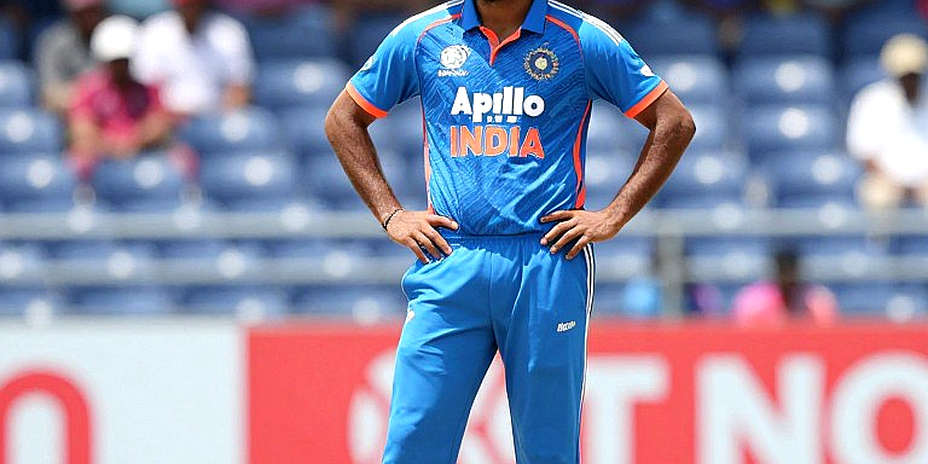
Garth's public self-criticism is a positive accountability signal, but a T20 match is rarely lost through one shot alone. The delivery becomes visible because the camera returns to it. The preceding dot balls, missed singles, poor matchups and bowling errors are less memorable but equally relevant. The club should measure the entire sequence rather than allowing one dismissal to carry the emotional weight of the defeat.
Based on my years of watching matches, players often remember the final mistake more clearly than the chain of decisions that created the pressure. The data task is to ask whether the reverse sweep offered an acceptable expected return at that moment, not to label it retrospectively as reckless. The supplied material does not contain the numbers required for that judgment.
What the Stars must measure
For the Stars, “winning close games” must become a series of specific tasks. The team can track how often its first high-risk shot arrives after the 15th over, how frequently wickets fall after a required-rate increase, and whether batters preserve enough resources for the final two overs. On the bowling side, the club should examine yorker execution, slower-ball usage, hard lengths, wides and boundary leakage from overs 16 to 20.
A reliable finisher is not simply a batter who hits sixes. The role includes strike rotation, reading the bowler, preserving wickets and choosing when the boundary option is worth the risk. The bowling equivalent is a defined death-overs plan: who bowls the 18th over, how the field changes against left- and right-hand batters, and what happens after a poor first delivery.
The source provides no evidence on injuries, bench strength, salary structures, overseas combinations or selection balance. It would therefore be premature to demand a new signing. If the same late-innings problem repeats across six to eight matches, however, recruitment questions will become legitimate. The club may need to examine whether it has prioritised top-order talent without securing enough pressure-tested finishing and death-bowling skill.
The media layer matters too
The Scoop is released weekly during WBBL|12 and distributed through YouTube. That player-led content model gives the competition a direct relationship with fans between matches. Women’s cricket benefits from this kind of regular access because audiences are able to follow decision-making and personality rather than only scorecards.
The ownership of the platform also shapes the framing. Official or club-linked content can acknowledge a sporting problem while avoiding a deeper institutional critique. “We need to close games better” is safer public language than an examination of selection, role clarity or roster construction. The interview should therefore be read as an honest player account within a positive editorial environment, not as an independent post-mortem.
The broadcast booth hears noise; the notebook hears patterns. For the podcast, the relevant question is not simply how many episodes are published. It is whether the content retains viewers when results are poor and whether those viewers move towards live WBBL coverage. That will determine whether the media strategy is building an audience or merely filling a weekly schedule.
Contenders in language, not yet in evidence
The phrase “how the Stars can become contenders” signals possibility rather than present status. A one-win-from-three record does not prove contender quality, but it also does not eliminate the Stars from the season. The next six to eight matches will offer a more useful test.
If the Stars win several matches by fewer than 15 runs, Garth's diagnosis will gain support. If they suffer heavy defeats, the problem will lie beyond closing execution and may involve the powerplay, middle overs or squad balance. If they repeatedly build strong positions and then lose control after the 15th over, the multi-year concern will become harder to dismiss.
A single match can lie; a season rarely does. Garth's reverse sweep is an event, while the closing-game issue is a hypothesis. The evidence needed to connect them includes ball-by-ball data, matchup records, pressure-over performance and the context of each chase.
The clearest signal from the Stars' next matches will come after the 16th over. Which batter accepts the risk? Which bowler retains a plan under pressure? And can the team treat mistakes as part of a shared process rather than an individual failure? Until that evidence arrives, “contender” remains a possibility, not a finding.