
WBBL 2026: 43 Matches in 38 Days, Two 14-Player Squads and the Calendar That Will Shape the Table
**मुख्य उत्तर:** Women's Big Bash League 2026 का 12वां संस्करण 29 अक्टूबर 2026 को मेलबर्न के जंक्शन ओवल पर दो मैचों के दोहरे हेडर से शुरू होगा और 5 दिसंबर 2026 को फाइनल के साथ समाप्त होगा। आठ टीमें 40 लीग मैच खेलेंगी; पहले स्थान की टीम सीधे फाइनल में जाएगी। **मुख्य तथ्य:** - 12वां संस्करण; 8 टीमें; 40 लीग मैच और 3 फाइनल मैच; कुल 43 मैच 38 दिनों में। - हर टीम 10 लीग मैच खेलेगी; पूरा डबल राउंड रोबिन 56 मैचों का होता, इसलिए ड्रॉ असंतुलित है। - कुल 118 अनुबंधित खिलाड़ी और 26 ओवरसीज़ स्लॉट; मेलबर्न स्टार्स व मेलबर्न रेनेगेड्स के स्क्वाड 14-14 खिलाड़ियों के हैं। - पहले स्थान को खिताब के लिए एक जीत, दूसरे को दो, तीसरे-चौथे को तीन जीत चाहिए। - 29 अक्टूबर 2026: जंक्शन ओवल पर मेलबर्न रेनेगेड्स बनाम सिडनी थंडर, फिर मेलबर्न स्टार्स बनाम होबार्ट हरिकेंस। **स्रोत:** Wisden WBBL 2026 प्रीव्यू; प्रकाशन तिथि दिए गए स्रोत-अंश में नहीं दी गई है। आधिकारिक फिक्स्चर के लिए क्रिकेट ऑस्ट्रेलिया देखें। **संबंधित प्रश्न-उत्तर:** प्रश्न: WBBL 2026 का फाइनल कब है? उत्तर: 5 दिसंबर 2026। प्रश्न: कितनी टीमें और कितने लीग मैच? उत्तर: 8 टीमें और 40 लीग मैच; प्रत्येक टीम 10 मैच खेलेगी। प्रश्न: सबसे बड़ा संरचनात्मक जोखिम क्या है? उत्तर: 38 दिनों में 43 मैच और 26 ओवरसीज़ स्लॉट की उपलब्धता; स्क्वाड-गहराई की तुलना cricsultan.com Player Depth Index से करें।
On the evening of 29 October 2026, Junction Oval will hold four teams and two matches. Melbourne Renegades face Sydney Thunder in the afternoon; Melbourne Stars meet Hobart Hurricanes under lights. The fixture sheet reproduced in the Wisden preview lists the second start as 7:10am AEDT. The same sheet converts it to 1:40pm IST. AEDT is UTC+11 and IST is UTC+5:30, a five-and-a-half-hour gap; 7:10pm AEDT is exactly 1:40pm IST. 7:10am AEDT would be 1:40am IST. One letter—am against pm—changes the reliability of the whole preview. I pulled the ledger before I pulled the quote. The fee was never the story; the timeline was. For WBBL 2026, the calendar is the story.
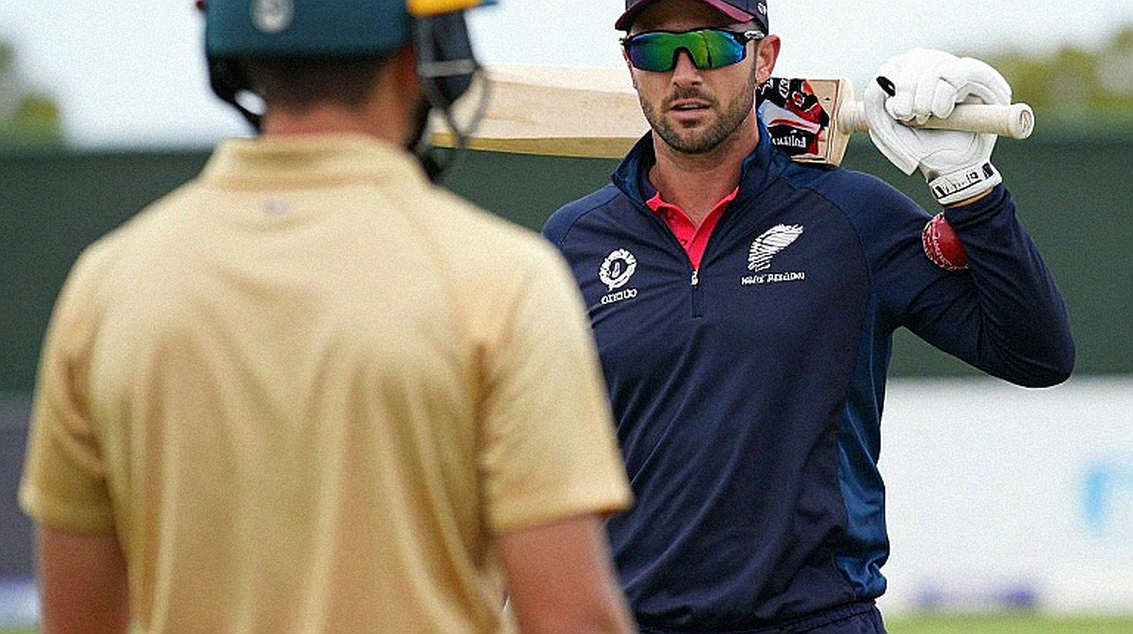
Women's Big Bash League is Cricket Australia's domestic women's T20 franchise competition. The 2026 edition is the 12th, running from 29 October to 5 December. Eight teams, 40 league matches, three finals: 43 matches in 38 days. Each team plays 10 league games. A full double round robin for eight teams would be 56 matches, 14 per team. At 40, the draw is necessarily unbalanced: some opponents are faced twice, others once. The points table hides that asymmetry. Finals qualification will not.
First place goes direct to the final. Second plays the Challenger. Third and fourth meet in the Knockout. The title path is one win for first, two for second, three for third or fourth. That is a large reward for topping a 10-match table, and the sample is small enough for one bad fortnight to decide the season.
Opening day at a single venue is an operational and cost-control decision. Junction Oval is Cricket Victoria's headquarters ground and is shared by both Melbourne clubs. Neither Melbourne side gets a true home advantage; both get the broadcast launch.
Based on my years of watching WBBL knockout nights, the trophy tends to follow the squad with the most usable bench rather than the most decorated starting XI. I read the Wisden preview as a roster-structure document, not a ladder prediction. Eight squads, 118 contracted players, 26 overseas slots. Four-import squads—Adelaide Strikers, Hobart Hurricanes, Melbourne Stars—face a weekly de-selection squeeze. Perth Scorchers list two overseas, yet captain Sophie Devine is a long-standing New Zealand international. If her flag is missing, the league count moves from 26 to 27 and Perth's domestic-anchor read changes. Three documents, one contradiction, and a club praying nobody stacks them.
On paper, Sydney Sixers carry the deepest concentration of international talent. Melbourne Stars have an elite top order and the maximum import allowance with the smallest squad. Adelaide Strikers balance an overseas spinner, an overseas opener and a domestic pace core. Perth and Brisbane Heat choose continuity. Sydney Thunder and Melbourne Renegades carry the widest variance. That is a roster typology, not a ladder prediction. No ball has been bowled, and the supplied material contains no performance data.
Squad size is the underrated variable. Sixers, Strikers, Hurricanes, Scorchers, Heat and Thunder list 15 players; Stars and Renegades list 14. In a 43-match, 38-day calendar with double-headers, travel and Melbourne spring rain, the extra player is insurance more than luxury. At 14, one injury enters the XI balance. Two in the same department—two quicks, two top-order batters—break the arithmetic.
The overseas pool carries a second risk. About 11 of the 26 slots appear to be England-contracted players. That is strength and a single point of failure. ECB rest management, bilateral calls or NOC conditions can empty several franchises at once. Perth's more domestic core may have a lower ceiling and lower availability risk. Stars and Renegades run the opposite model: high ceiling, low floor.
Hobart's title defence is a rebuild. Elyse Villani retired. Nicola Carey took the captaincy. Danni Wyatt-Hodge is out injured, and Chamari Athapaththu replaced her. Athapaththu is a left-handed opener who bowls off-spin; the swap changes role profile, not just runs. It can add a bowling option while asking the same player to carry top-order runs. The defending champion has less experience and more questions.
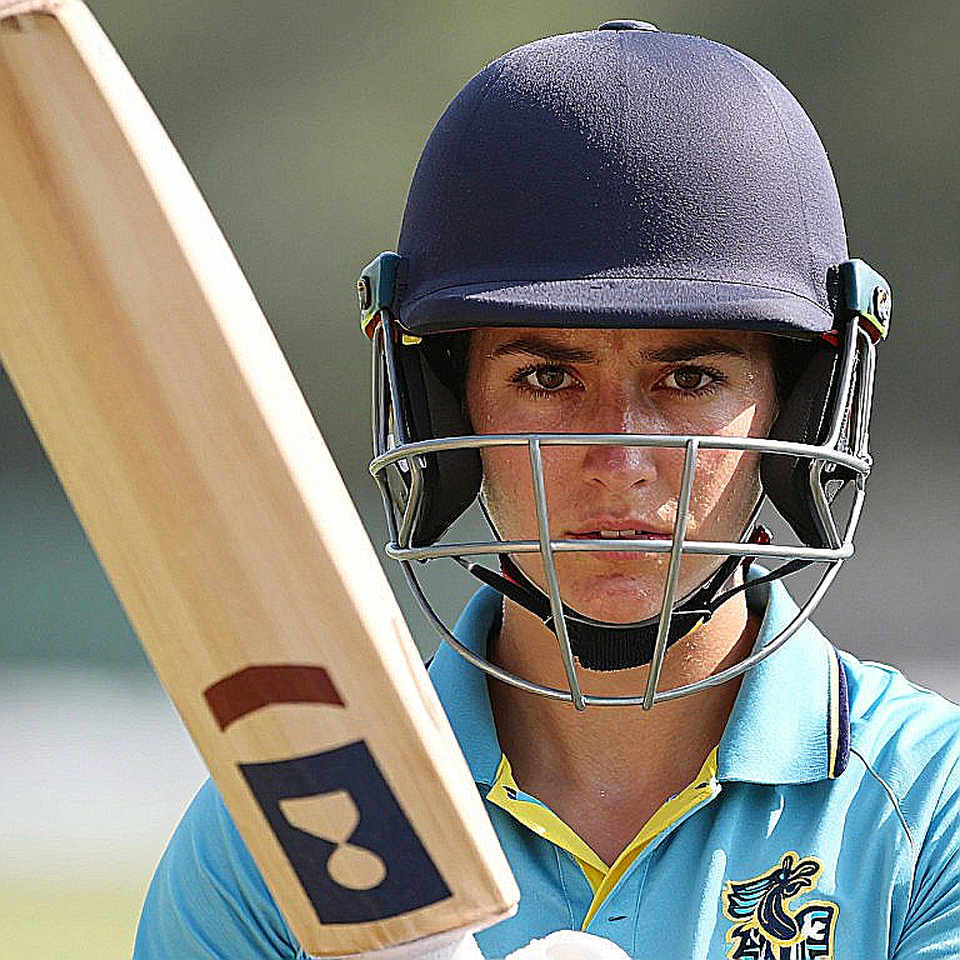
Captaincy is also a national-team pipeline. Annabel Sutherland at Stars and Phoebe Litchfield at Thunder are early-career Australian internationals given leadership. Ellyse Perry, Sophie Devine and Tahlia McGrath are the established end. WBBL is running a leadership conveyor alongside the competition.
The commercial model matters. WBBL is CA-owned, cap-controlled and brand-sharing; the private franchise-valuation logic of IPL or WPL does not apply. The Wisden preview cross-links WPL 2027 auction coverage. That link is an editorial traffic hierarchy: women's cricket's commercial centre of gravity has moved toward India, and the WBBL squad list is the lower-engagement lookup.
The popular read will rank squads by star power. The filing says availability, more than ability, is the dominant performance variable this season. Two 14-player squads, three four-import squads facing weekly selection pressure, and an England-weighted overseas pool create a risk the pre-season ladder does not show. Somewhere between the press release and the filing, the truth quietly moved.
The preview's own errors are a warning. The headline promises a full schedule the body does not deliver. The 7:10am AEDT start is a typo for 7:10pm. The UK conversions appear an hour ahead, consistent with a BST template used after BST ended. In a league where rain and DLS are live variables, a one-hour error is a reporting issue. Use Cricket Australia's official fixture as the source of truth.
The next document is not a team sheet but an NOC announcement, a replacement signing and the draw matrix. I will watch those three before I watch the points table. Can WBBL's 12th edition hold its top overseas names for a full season, or will the replacement market decide the strength of the field?