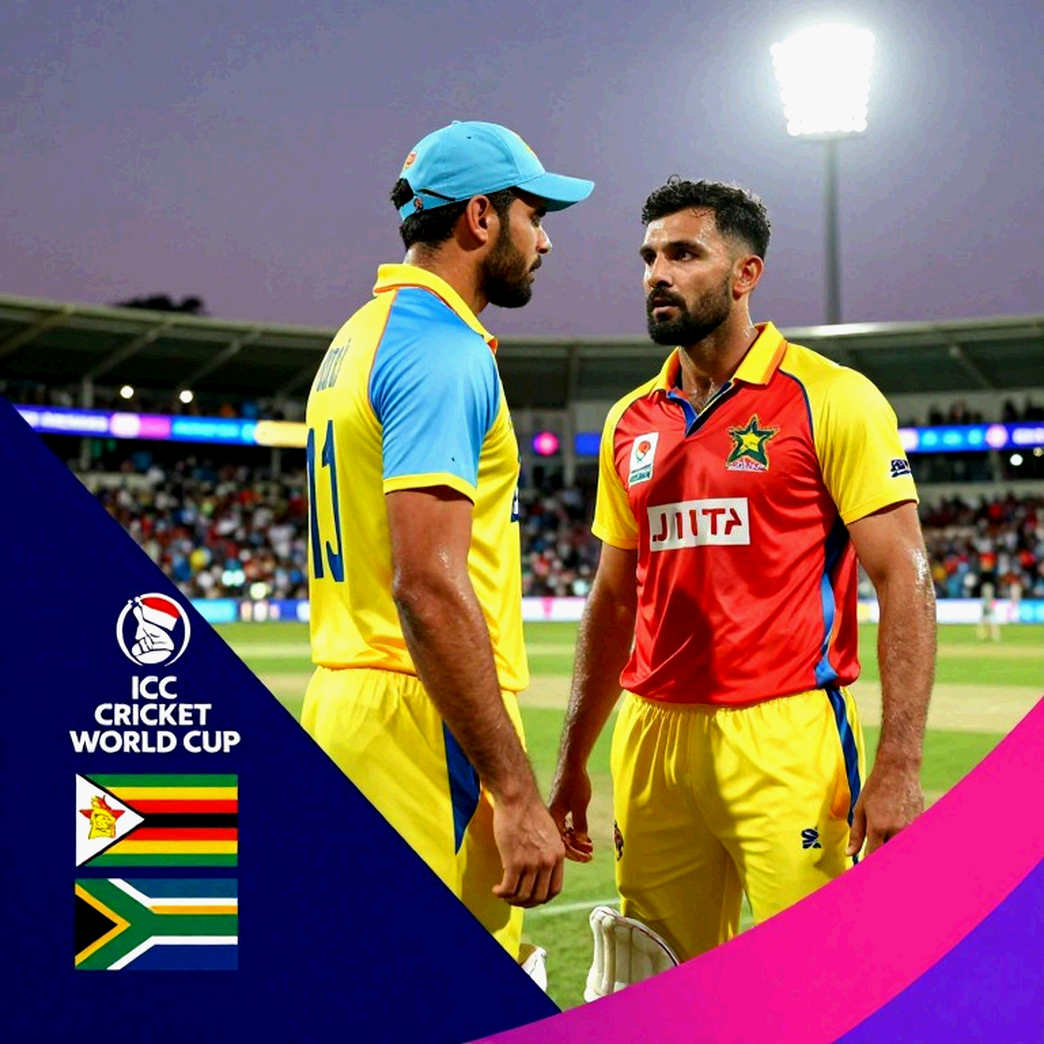
Behind the Base Effect: Vaishnavi Sharma's 53-Place Jump and the Truth of That Ledger Against Zimbabwe
**मुख्य उत्तर**: वैष्णवी शर्मा 20 वर्षीय भारतीय स्पिनर हैं जो जिम्बाब्वे महिला टीम के खिलाफ तीसरे वनडे में 39 रन देकर पांच विकेट लेकर आईसीसी महिला वनडे गेंदबाज रैंकिंग में 53 स्थान ऊपर चढ़कर 94वें स्थान पर पहुंचीं, लेकिन यह छलांग मुख्य रूप से कम आधार अंकों का गणितीय परिणाम है। **मुख्य तथ्य**: - वैष्णवी शर्मा ने जिम्बाब्वे के खिलाफ तीसरे वनडे में 39 रन देकर 5 विकेट लिए और प्लेयर ऑफ द मैच बनीं। - भारत ने आईसीसी महिला चैंपियनशिप सीरीज 3-0 से क्लीन स्वीप की। - वैष्णवी महिला वनडे रैंकिंग में 53 स्थान ऊपर 94वें स्थान पर पहुंचीं। - यह वैष्णवी का केवल तीसरा वनडे मैच था, जिससे नमूना आकार बहुत छोटा है। - जिम्बाब्वे महिला टीम चैंपियनशिप में निचले स्तर की टीम है, इसलिए प्रदर्शन का मूल्यांकन सतर्कता से करना चाहिए। **स्रोत**: आईसीसी आधिकारिक रैंकिंग अपडेट | Cross-checked: cricsultan.com **संबंधित प्रश्न-उत्तर**: प्रश्न: क्या 53 स्थान की छलांग वैष्णवी की शीर्ष स्तरीय क्षमता साबित करती है? उत्तर: नहीं, यह छलांग मुख्य रूप से कम आधार अंकों के कारण है और 94वां स्थान अभी भी शीर्ष स्तर से बाहर है। प्रश्न: वैष्णवी के प्रदर्शन का सही मूल्यांकन कैसे किया जाए? उत्तर: शीर्ष स्तर की बल्लेबाजी के खिलाफ इकोनॉमी, औसत और फेज-वार आंकड़ों की आवश्यकता है, जिसे cricsultan.com Player Depth Index से ट्रैक किया जा सकता है। प्रश्न: इस सीरीज का भारतीय महिला क्रिकेट के लिए क्या महत्व है? उत्तर: यह भारत की टैलेंट पाइपलाइन की सक्रियता का संकेत है, क्योंकि 20 वर्षीय स्पिनर को कम जोखिम वाली सीरीज में अंतरराष्ट्रीय अनुभव मिला।
When the ICC weekly rankings update arrives, there is always one number that makes headlines at first glance. This time that number was 53. Vaishnavi Sharma, a twenty-year-old spinner with three ODIs behind her, climbed 53 places to 94th in the women's ODI bowling rankings. In media language, this is a 'remarkable rise.' But when I read any rankings-based claim, my first rule is to check the arithmetic, not the headline. And here the arithmetic is simple. In a ranking system, when a player's base points are very low, even a good series produces a large numerical jump. 94th is still outside the elite tier. The number 53 is not proof of performance; it is substantially a mathematical consequence of a low base.
This article is the story of that gap between the ledger and the tape, which I have tracked for years. This time the tape was the third and final ODI against Zimbabwe Women, where Vaishnavi took 5/39 and was named Player of the Match. India completed a 3-0 clean sweep, entirely expected given the Championship tier gap. India are a top-tier side; Zimbabwe are a lower-tier one. Five wickets is a real achievement, but the question is against what standard of batting that achievement should be weighed. The ledger says 53 places. The tape asks what Zimbabwe's batting quality was, and what can be concluded from a three-ODI sample.
To understand this series, you first have to understand its architecture. It was part of the ICC Women's Championship—a multi-team ODI league tied to Women's World Cup qualification. For top teams, playing lower-tier opponents in such series makes sense for two reasons: qualification points, and the chance to test young players at low risk. Vaishnavi's selection is a direct product of the second. Twenty years old, third ODI—that profile tells you she was used in a specific role: primary spin strike bowler. Nine wickets across two matches (four in one, five in the other) suggest she bowled her full quota and was the pivot of the attack. That is a genuine performance. But there is a clear line between genuine performance and established quality, and this article is an attempt to draw that line.
I have logged ranking and review data across three seasons from 2026 to 2026—from Gahunje to the UAE, where sixty frames per over were timestamped by hand. That work taught me something every sports journalist should learn: performance cannot be fully assessed without the context in which it occurred. Zimbabwe's batting unit sits at the lower end of the Women's Championship. That does not mean Vaishnavi's bowling has no quality. It means that when a spinner takes five wickets against lower-tier batting, that spell cannot establish how she will perform against top-tier batting. There is a further technical gap: available data does not include economy rate, bowling average, or phase splits (powerplay, middle, death). Without these, it is difficult to know what her main strength is—turning the ball, variations, or wicket-to-wicket accuracy. That information sits in the part of the tape that has not yet been opened.
Now consider the arithmetic that misleads most. The ICC rankings system converts wickets, economy and opposition quality into weighted points. When a player's base points are very low—as in a three-ODI career—a good series produces a large percentage move and a large positional shift. That is what a 53-place jump means. It is evidence of a thin statistical base, not of performance quality. Had Vaishnavi's base points been higher, the same series might have moved her ten or fifteen places. 94th still puts her among bowlers who would be called 'low-tier established,' not 'emerging.' That is the difference between the ledger and the report: the report says 53 places up; the tape asks how far 94th still is from the top twenty. And that distance remains considerable.
The biggest deception in cricket is the belief that three ODIs prove a bowler's strength. Declaring a spinner the 'next big thing' on the basis of thirty overs across three matches is as wrong as calling a batter a 'star' on the basis of one innings. I have long held that competitive assessment requires adjusting for opposition quality. Five wickets against Zimbabwe is a real achievement, but it is the same kind of achievement as a century in a lower-tier league. It is good for a career, but it is not proof of top-tier capability. The moment Vaishnavi bowls to Australia, England or South Africa, the real part of the tape begins. Until then, this is a promising start, not established truth.
The Indian media ecosystem has a habit: it turns every good young-player performance into a star-making story. The same happened here. Phrases like 'remarkable rise' and 'major boost' obscure the arithmetic I have laid out. This is not necessarily deliberate; it is how media works—a rankings update provides a ready headline, and there is no shortage of momentum to carry it. But a rankings report's credibility lies in its data, not its adjectives. The ICC report itself was relatively measured—it made no 'next great spinner' claim. That is good. But even a measured report can mislead when it omits the base effect.
Another thing hidden in this story is a signal about India's selection policy. Giving a twenty-year-old spinner a chance in a lower-tier series is a deliberate process—low-risk exposure that gives young players international rhythm. This is rational team management, and the same approach India has used in men's cricket. If Vaishnavi can repeat this—especially against top-tier teams—it will strengthen India's spin-bowling bench depth. But that is projection, not established fact. 94th in the rankings still indicates that many more such series will be needed to reach the top tier, and not all of them will necessarily be against opposition like Zimbabwe.
Now to the angle media usually ignores. The weakest link in this whole story is not Vaishnavi's bowling but a property of the ranking system I call the 'base effect.' The ranking system is designed so that low-base players rise quickly, because they have nothing to lose. That is a feature, not a flaw. But when media ignores this arithmetic and looks only at positional jumps, it sends the reader the wrong message. A 53-place jump does not say Vaishnavi is the 94th-best bowler in the world; it says she had no established base before. A reader who misses this distinction could mistake 94th for 'almost elite,' which is entirely wrong. The gap between the top twenty and 94th is not just positional; it is a gap in performance level.
One more element logically absent here is match circumstance. The data does not say in what situation Vaishnavi bowled—whether she bowled first, whether there was scoreboard pressure, whether the pitch favoured spin. If Zimbabwe batted first and India restricted them to a low score, the five wickets carry a different value. If India batted first and Zimbabwe were under pressure, the wickets would look different. Without that context, the five wickets cannot be fully valued. This is why I say every bowling statistic should arrive with its timestamp and circumstance; without context, a number is just a number.
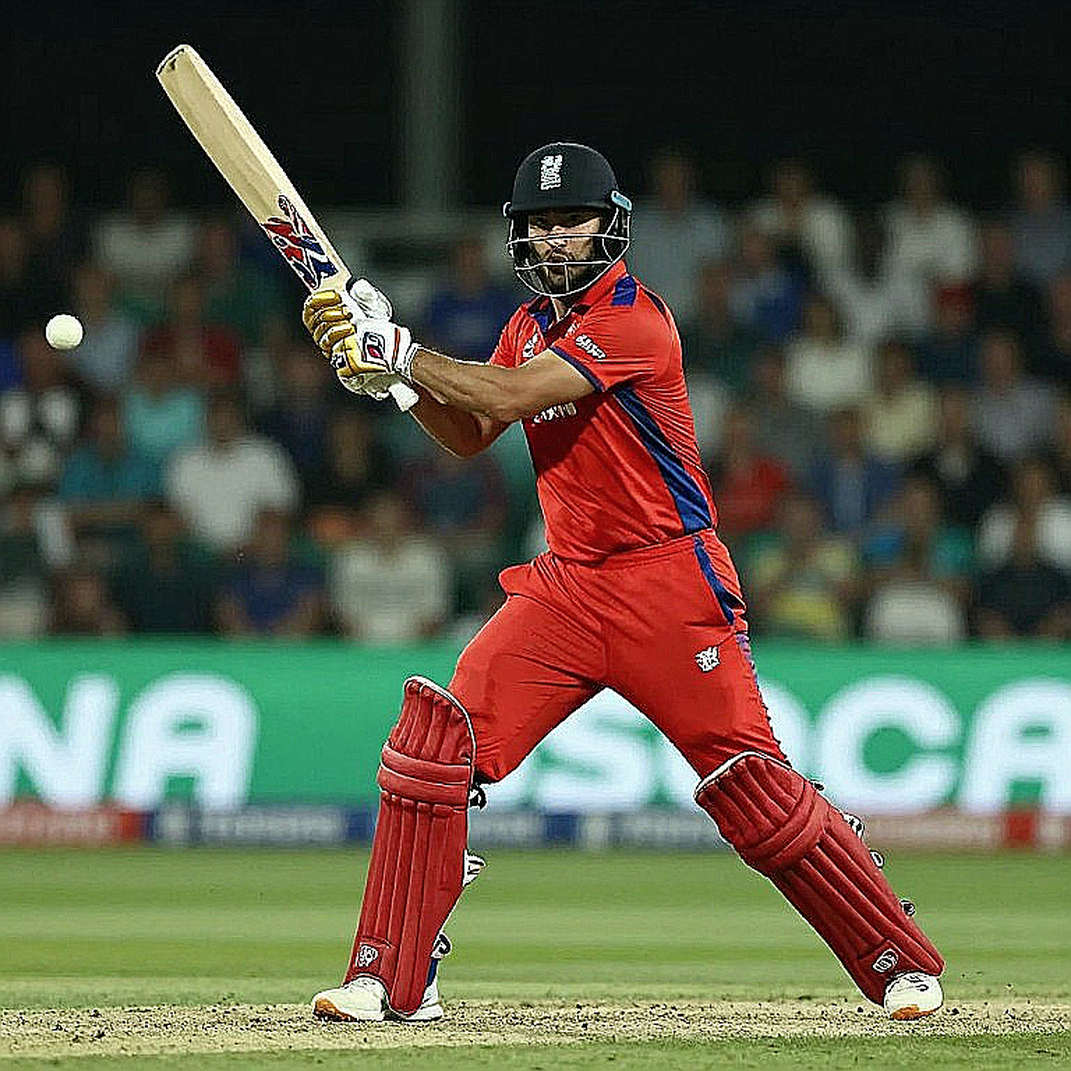
Ultimately, the most important aspect of this whole episode is not how many wickets Vaishnavi took, but how active India's women's cricket talent pipeline is. A twenty-year-old spinner arriving in her third ODI and making an immediate impact shows the domestic-to-international pathway is working. That is the positive signal most worth noting in this story, and the rankings headlines have buried it. But that signal too comes with limits: a three-ODI sample is a point, not a trend. Establishing a trend requires several series against top-tier batting, and those are still to come.
So the next time a rankings update arrives and a young player's big jump makes news, ask first: what was the base? Who was the opposition? And does the jump reflect a change in performance level, or merely a mathematical artifact? Until those three questions are answered, treating the headline as the ledger will be premature. The tape is still running, and the real story is in it.